Travail forcé : Les États-Unis prennent des mesures pour bloquer l’accès au marché de huit pays africains
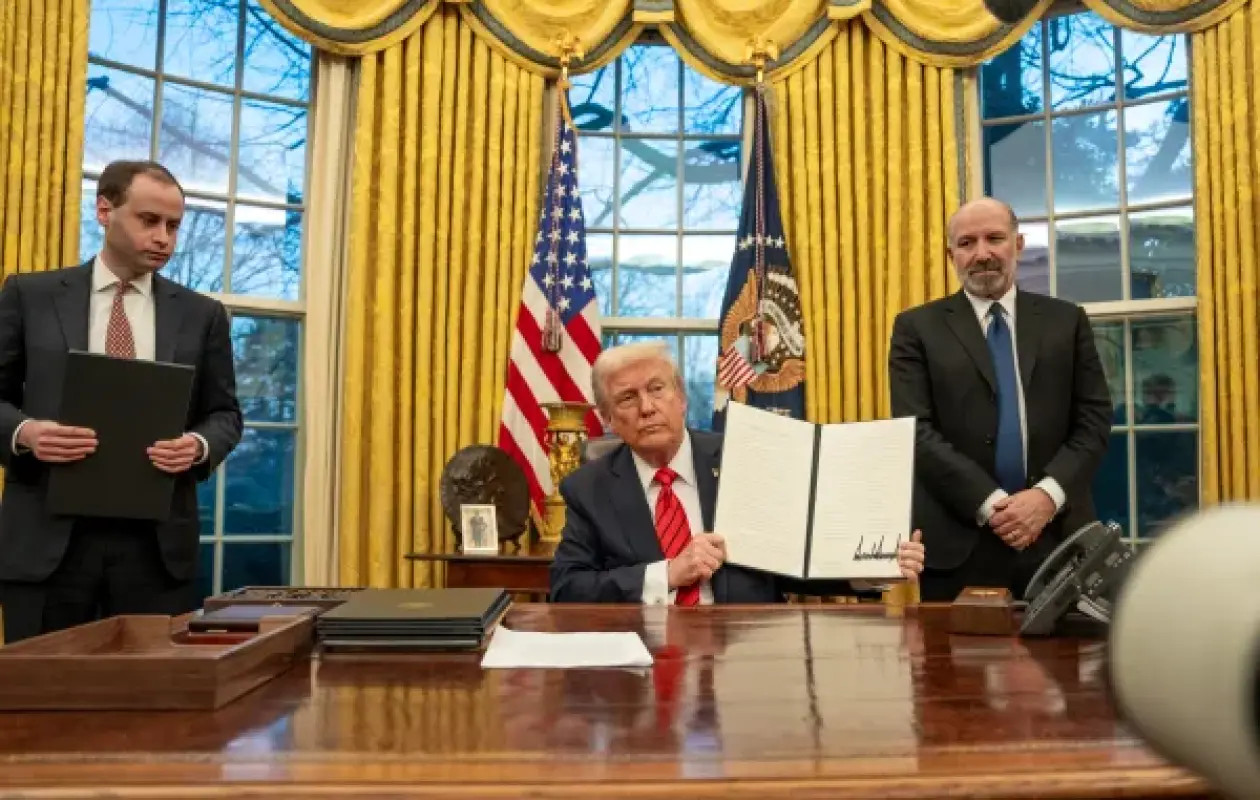
Trump's latest trade proposal could impose new tariffs on exports from eight African countries, marking a further step in Washington's efforts to link market access to labor standards and respect for supply chains.
The proposal, unveiled by the Office of the United States Trade Representative (USTR), targets countries that the United States says have not effectively imposed or enforced restrictions on imports produced by forced labor.
Among the 60 economies studied, eight African countries were included: Algeria, Angola, Egypt, Libya, Mauritania, Morocco, Nigeria and South Africa.
If approved, most products from these countries could be subject to an additional 12.5% tariff upon importation into the U.S. market. The measure is still under consideration and has not yet taken effect.
This proposal differs from the basic 10% tariff previously introduced as part of President Donald Trump's reciprocal trade agreement, which affected a wide range of countries in an effort to correct trade imbalances and market access problems.
The new measure is more targeted, focusing specifically on labor-related business practices rather than traditional business indicators.
According to the United States Trade Representative (USTR), economies that fail to prevent the importation of goods made with forced labor create unfair competitive advantages by allowing lower-cost products to circulate in global supply chains.
Why were these African countries included in the survey?
These eight African countries were included in a broader US investigation to determine whether their trading partners have legal frameworks and enforcement mechanisms in place to prevent the entry into their markets of goods produced by forced labor.
The review covered 60 economies and included consultations with dozens of governments. At the conclusion of the investigation, the United States Trade Representative (USTR) determined that the African countries in question had either failed to implement effective bans on imports produced using forced labor or had not properly enforced existing measures.
Consequently, they were classified in the category subject to the proposed 12.5% tariff. By comparison, countries that have adopted any form of ban on imports based on forced labor, or that have committed to strengthening these measures through trade agreements with the United States, would be subject to a lower tariff of 10% under this proposal.
For the African economies concerned, the implications go beyond the mere threat of tariffs. This proposal reflects a deeper shift in US trade policy, where access to the American market is increasingly contingent on labor practices, regulatory compliance, and supply chain transparency.
If adopted, this measure could increase the cost of exports to one of the world's largest consumer markets, adding further uncertainty for African exporters who already have to contend with a challenging global trading environment.
















Commentaires (0)
Participer à la Discussion
Règles de la communauté :
💡 Astuce : Utilisez des emojis depuis votre téléphone ou le module emoji ci-dessous. Cliquez sur GIF pour ajouter un GIF animé. Collez un lien X/Twitter, TikTok ou Instagram pour l'afficher automatiquement.