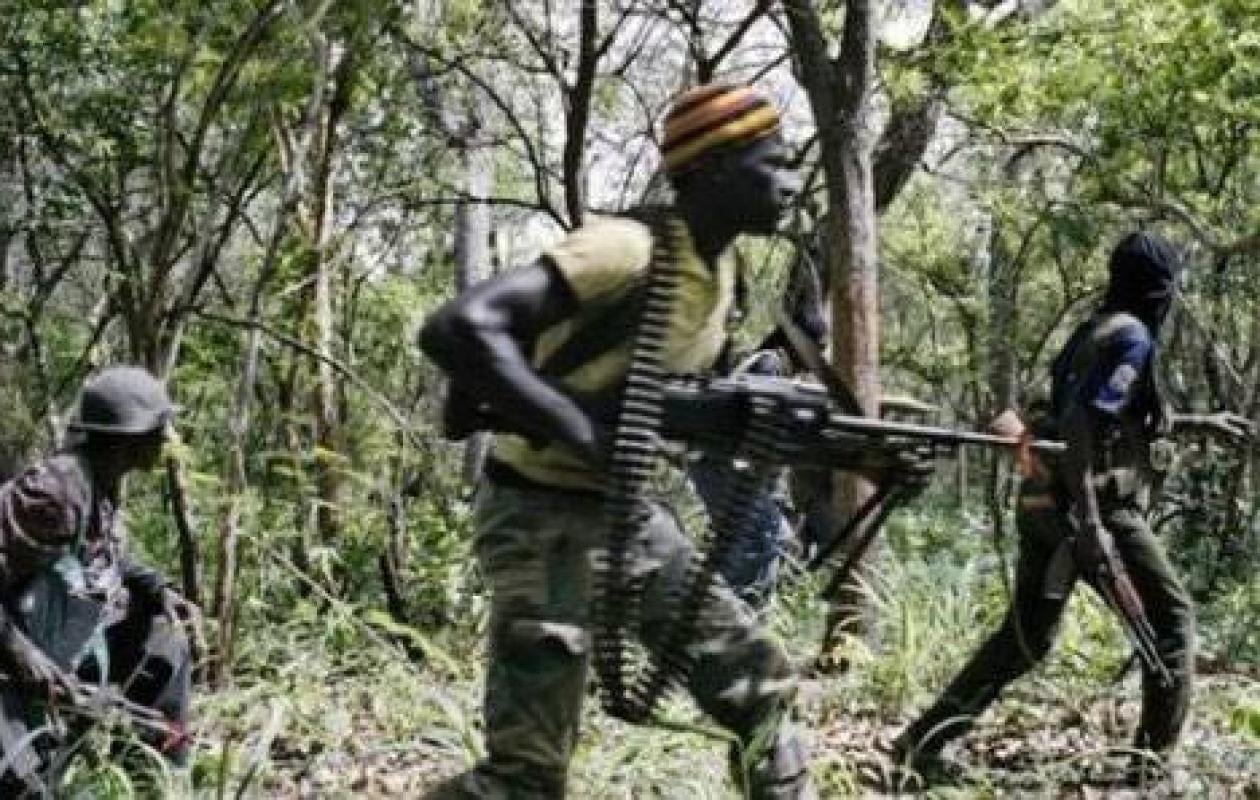
Le massacre de Boffa-Bayotte et le triomphe des instigateurs (Par Abdoulaye Dieng)
There are times when reality seems to mock reason itself, when public spectacle becomes a macabre farce orchestrated by those who, only yesterday, were calling for murder or organizing it from afar. The release of René Capain Bassène, after eight years of detention for his proven complicity in the Boffa-Bayotte massacre, is a perfect illustration of this. It is not a victory for justice or for a free press: it is a moral and judicial scandal, an unprecedented reversal where the executioners don the garb of the victims, while the true victims—those poor coal sellers, those wretches who were simply trying to survive—are relegated to the dustbin of history.
Let us recall the facts with the dispassionate objectivity they demand, far removed from the tearful displays of compassion that have flooded the press in recent days. On January 6, 2018, in the Bayotte forest in Casamance, fourteen men—mostly impoverished day laborers, illegal loggers seeking to feed their families—were coldly gunned down. A cold-blooded execution, in a context of trafficking and secessionist tensions. René Capin Bassène, a journalist well-known for his ties to separatist circles, who acted as a local ideologue for the rebel leader César Atoute Badiate, was not merely an observer.
The findings of the masterful investigation conducted by the Colobane research unit, dispatched to Ziguinchor given the gravity of the case before the outpouring of sympathy could take hold, pointed to him, along with his accomplice Oumar Ampoï Diatta, as one of the main intellectual instigators: the one who, through his writings, his networks, and his incitement, had helped create the climate conducive to this massacre. Moral and material complicity, criminal conspiracy—the court sentenced him to life imprisonment in 2022 for reasons that were anything but a judicial whim.
And now, by presidential grace, he walks free, hailed as a "prisoner of conscience." We hear talk of shortcomings in the investigation, disputed testimonies, and pressure tactics. As if procedural perfection existed, especially in a region scarred by decades of guerrilla warfare and trafficking! But let's grant these doubts for a moment: they cannot erase the gravity of the charges against him, nor his nefarious role. Bassène was not an innocent hack persecuted for speaking the truth. He was at the heart of a system where journalism is indistinguishable from propaganda and armed activism. His scandalous trajectory is not that of a victim of arbitrary power: it is that of an actor who played with fire and who, today, escapes the consequences.
The most revolting aspect remains the fate of the victims' families. These coal sellers, these anonymous and poor men, gunned down like game in a forest they exploited to survive. Where are their voices in this chorus of praise? Who speaks today of their grief, of their compounded misery? No one. On the contrary, we are witnessing a stunning ontological reversal: the instigators become the martyrs, the bereaved families are rendered invisible, almost guilty of having disrupted the dominant narrative. It is the usual sophistry of the self-righteous: the romantic figure of the rebellious intellectual is always preferred to the mundane reality of the massacred ordinary people. As if the pen were worth more than the blood spilled.
Our era is suffering from a profound malaise: a public opinion quick to reverse roles whenever it comes to pandering to "progressive" or regionalist causes. The truth is simpler and more brutal. Justice is not measured by the length of detention or media sympathy, but by the recognition of the harm done. Releasing Bassène without the families of the fourteen dead receiving full and complete redress, without his role as instigator being clearly acknowledged and condemned by the public, is not only a miscarriage of justice, but an insult to the memory of the victims.
In Senegal, a country yearning for stability, there is hope that this pardon does not signal the beginning of a new era of impunity. For if yesterday's instigators are acquitted, it is the poor, always the same ones, who will pay the price for the bloodshed tomorrow. Selective pity is not justice; it is a travesty of it.
Abdoulaye Dieng
Consultant

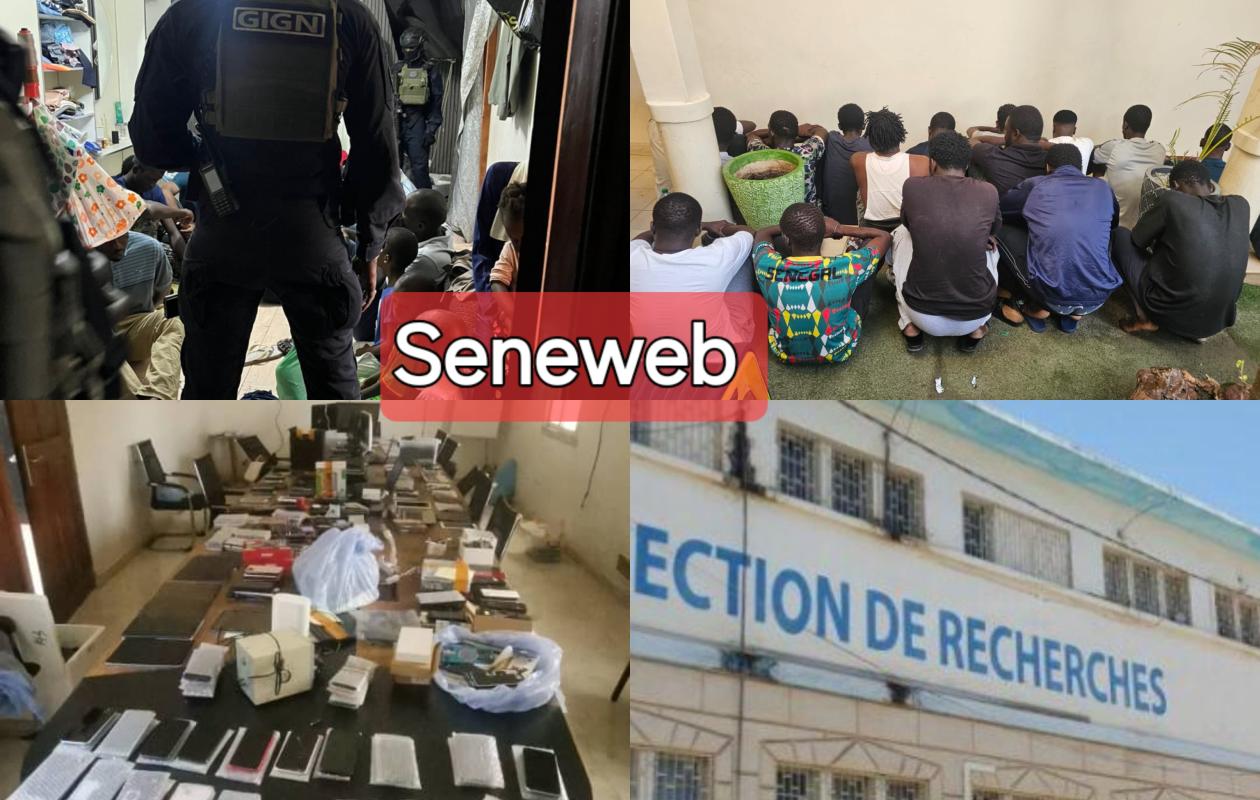





![[EXCLUSIF] Réseau de voleurs démantelé à Colobane : 500 téléphones, 33 tablettes et des ordinateurs saisis par la SR et le GIGN, 23 arrestations](https://image.seneweb.com/content/news/2026-22-30//thumb_1260x800_6a1b6ac9bcdc7_zf1U3G3p2i.jpg)









Commentaires (1)
Participer à la Discussion
Règles de la communauté :
💡 Astuce : Utilisez des emojis depuis votre téléphone ou le module emoji ci-dessous. Cliquez sur GIF pour ajouter un GIF animé. Collez un lien X/Twitter, TikTok ou Instagram pour l'afficher automatiquement.