Le Sénégal vers une nouvelle grammaire du pouvoir (Khadiyatoulah Fall et Cheikh Tidiane Bâ)
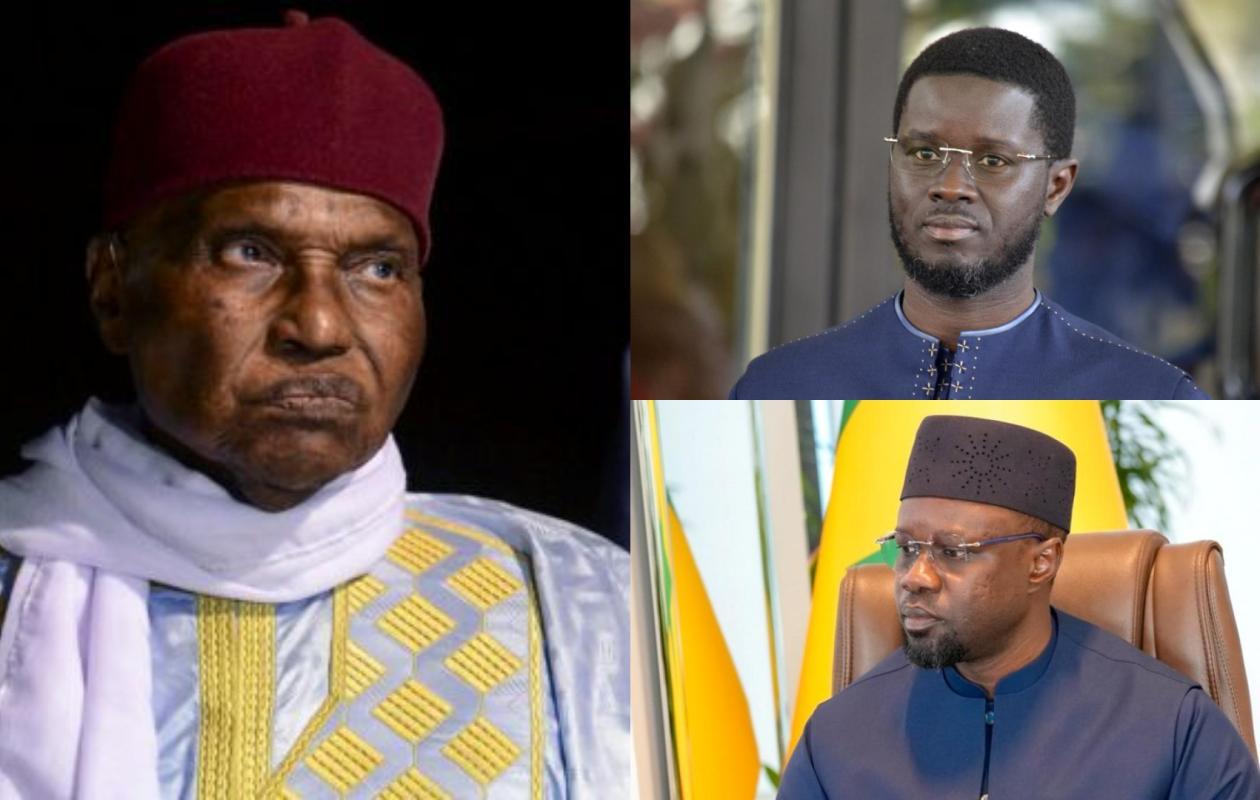
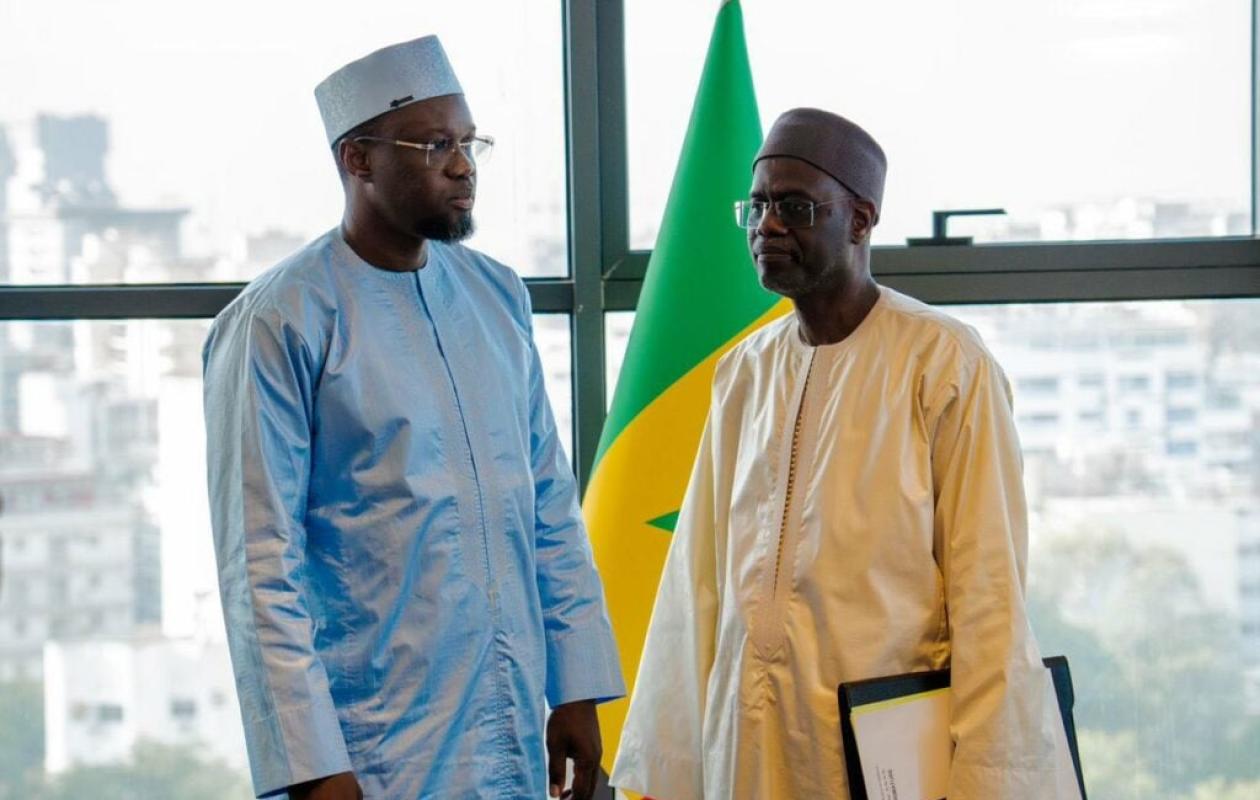
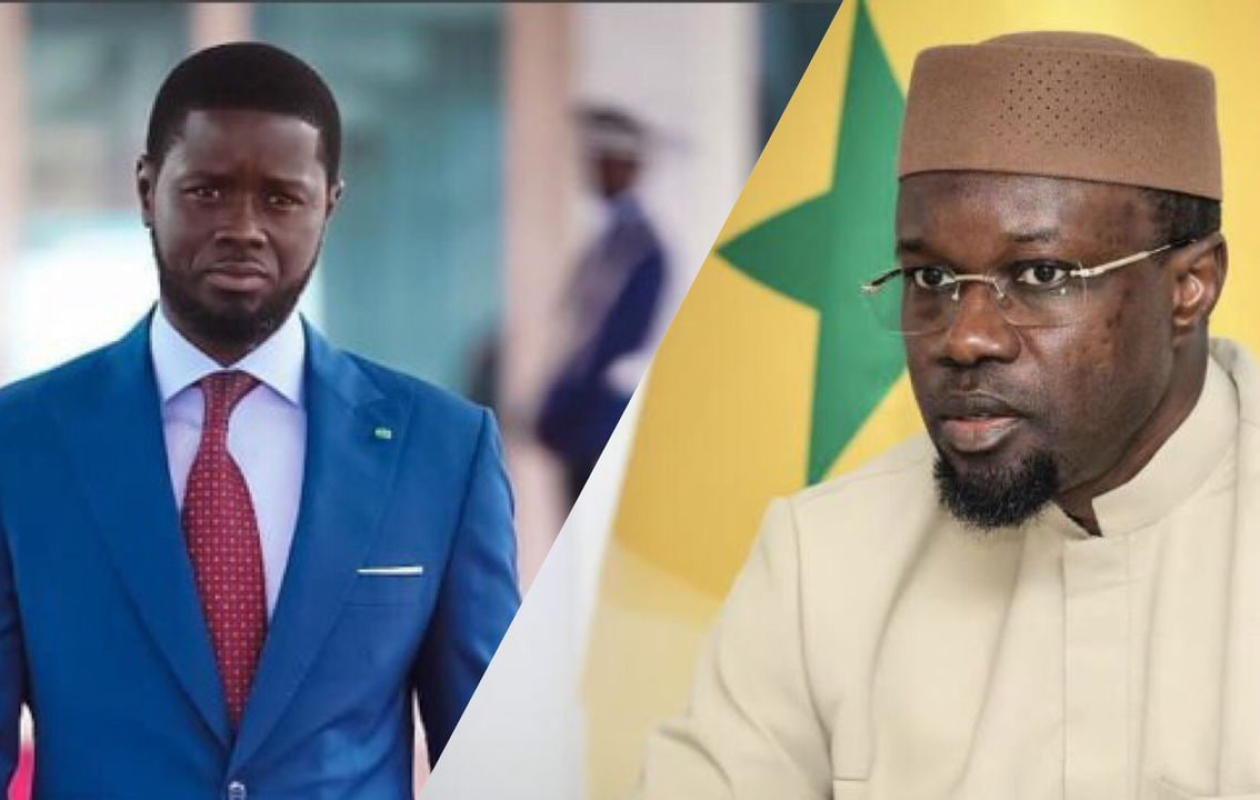
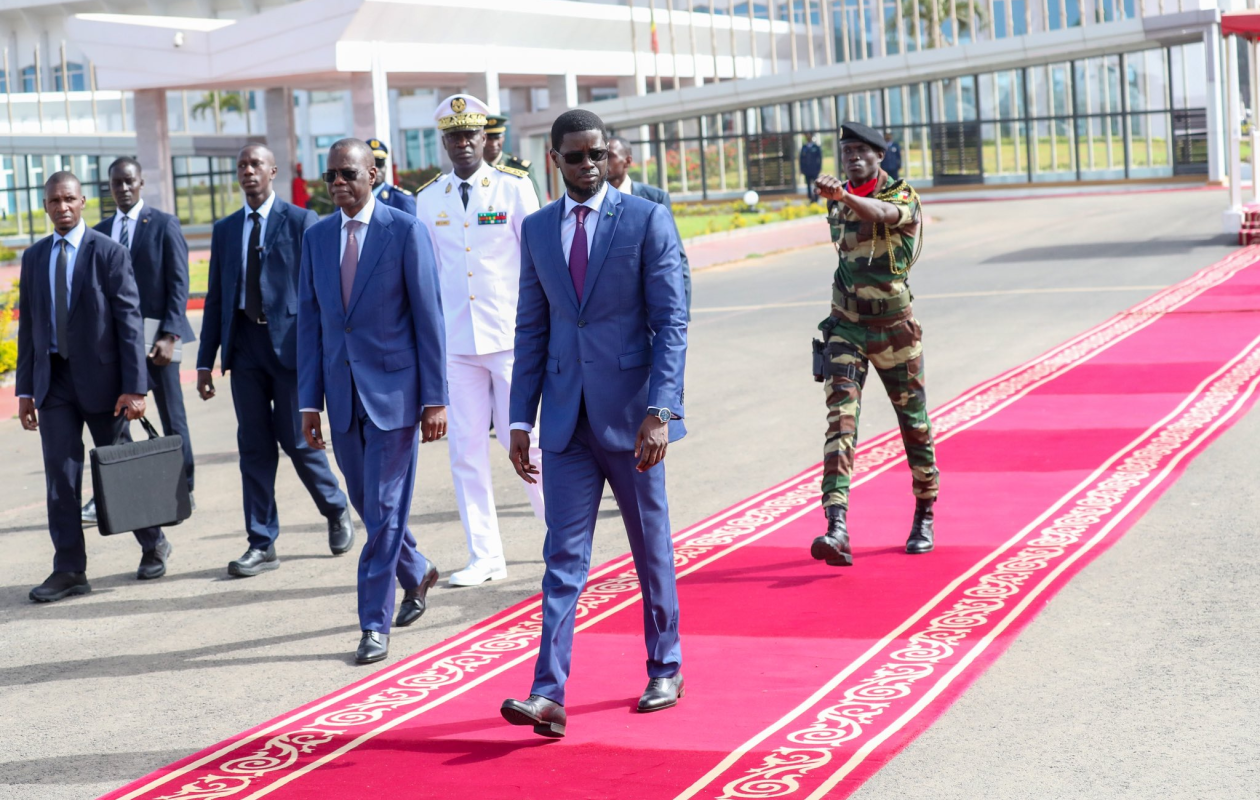
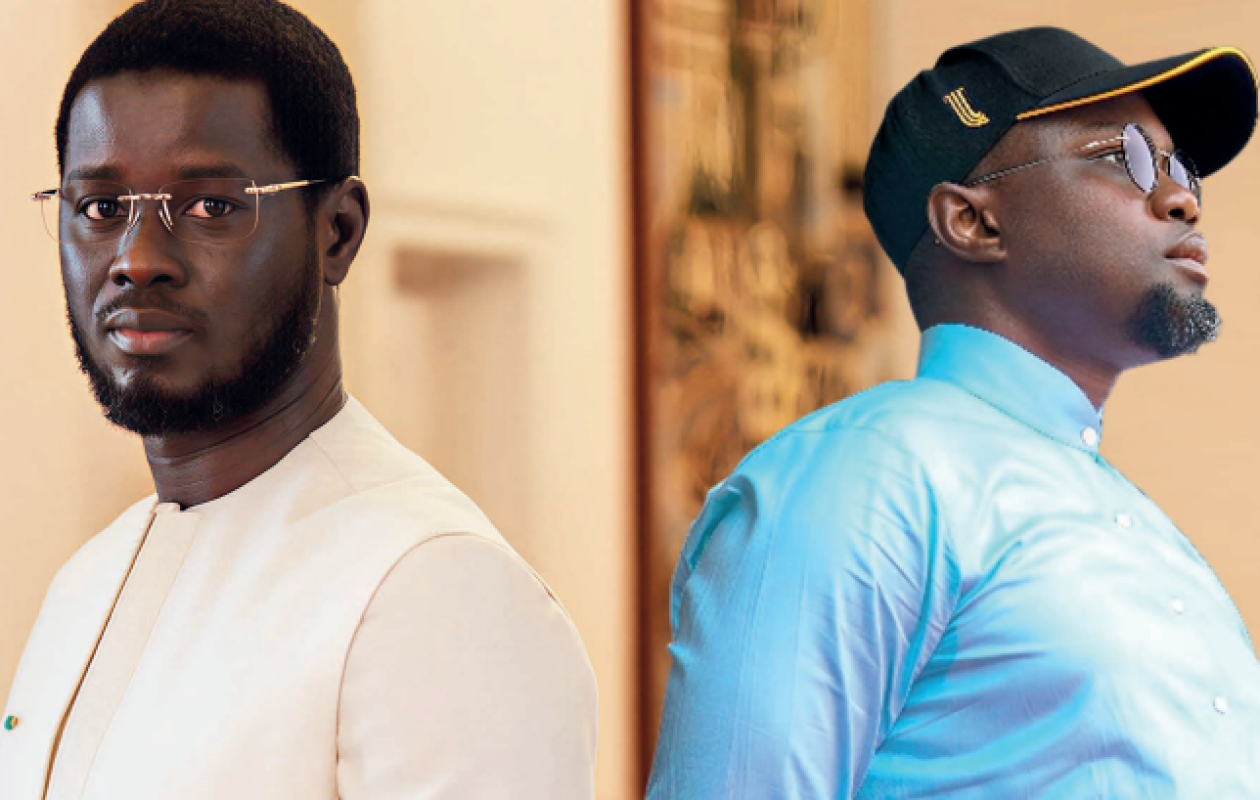
The presence of Bassirou Diomaye Faye at the head of state, the return of Ousmane Sonko to the National Assembly and his accession to the presidency of this institution, as well as the appointment of Ahmadou Al Aminou Mohamed Lo at the head of the government open a new sequence in Senegalese political life.
This configuration goes beyond simple event-driven or personalized interpretations of power. Above all, it marks Senegal's entry into a new political grammar characterized by the coexistence of several institutional, popular, and symbolic centers now called upon to operate within the same historical space.
By "grammar of power," we mean here the way in which they redefine themselves:
For a long time, African political systems operated according to a strong vertical logic: a main command center, a dominant centrality and a relatively legible concentration of power.
Senegal now seems to be entering a more complex configuration: that of a coexistence of several political centers stemming from the same historical matrix of rupture — that carried by PASTEF and by the popular dynamic which led to the alternation of 2024.
The challenge will be to prevent this plurality of legitimacies from drifting towards a silent competition of political centers.
Because Senegal is not currently facing a lack of political legitimacy. It is facing a coexistence of strong legitimacies:
The central question then becomes: how to sustainably organize these different legitimacies without producing a fragmentation of the top of the State?
This is where the real institutional test begins.
In this new grammar of power, the figure of Bassirou Diomaye Faye occupies a unique place in Senegalese political history. He is probably the first Senegalese president to have come to power in a configuration of shared legitimacy from the outset.
Léopold Sédar Senghor derived an essential part of his political power from the fact that he embodied the origin of the modern Senegalese national narrative.
Abdou Diouf embodied more of the continuity and stability of the State.
Abdoulaye Wade embodied the break with the past and democratic audacity.
Macky Sall embodied more the mastery and engineering of power.
Diomaye Faye, however, arrives in a different situation:
This situation produces a major new development: Diomaye cannot govern according to the old presidential grammars based on the solitary centrality of the leader.
He may be the first Senegalese president called upon to invent a coordinating presidency. This is the entire historical challenge of his mandate.
He must simultaneously:
This equation is particularly complex.
Diomaye will have to avoid three major traps.
The first would be that of the presidency under symbolic tutelage.
In any presidential system, the perception of the true center of power is fundamental. If the idea were to take hold that this center lies outside the presidency, the symbolic and institutional authority of the state would gradually weaken.
The second pitfall would be internal division. If he seeks to build his autonomy through confrontation with Sonko, he risks permanently fracturing the historical bloc that brought about the change of power.
The third pitfall would be presidential dilution. By trying to maintain all the balances simultaneously, a presidency can end up becoming politically indecipherable.
The challenge, therefore, lies in transforming a legitimacy that was initially co-produced into an institutionalized legitimacy.
Initially, a significant part of its political strength came from:
But now, the presidency demands something else:
In other words, Diomaye must gradually move from the status of a historical figure of transition to that of a stabilizing institutional center.
The current political phase seems to call less for a presidential approach of intensity than for a presidential approach of stabilization and coordination.
This change is fundamental.
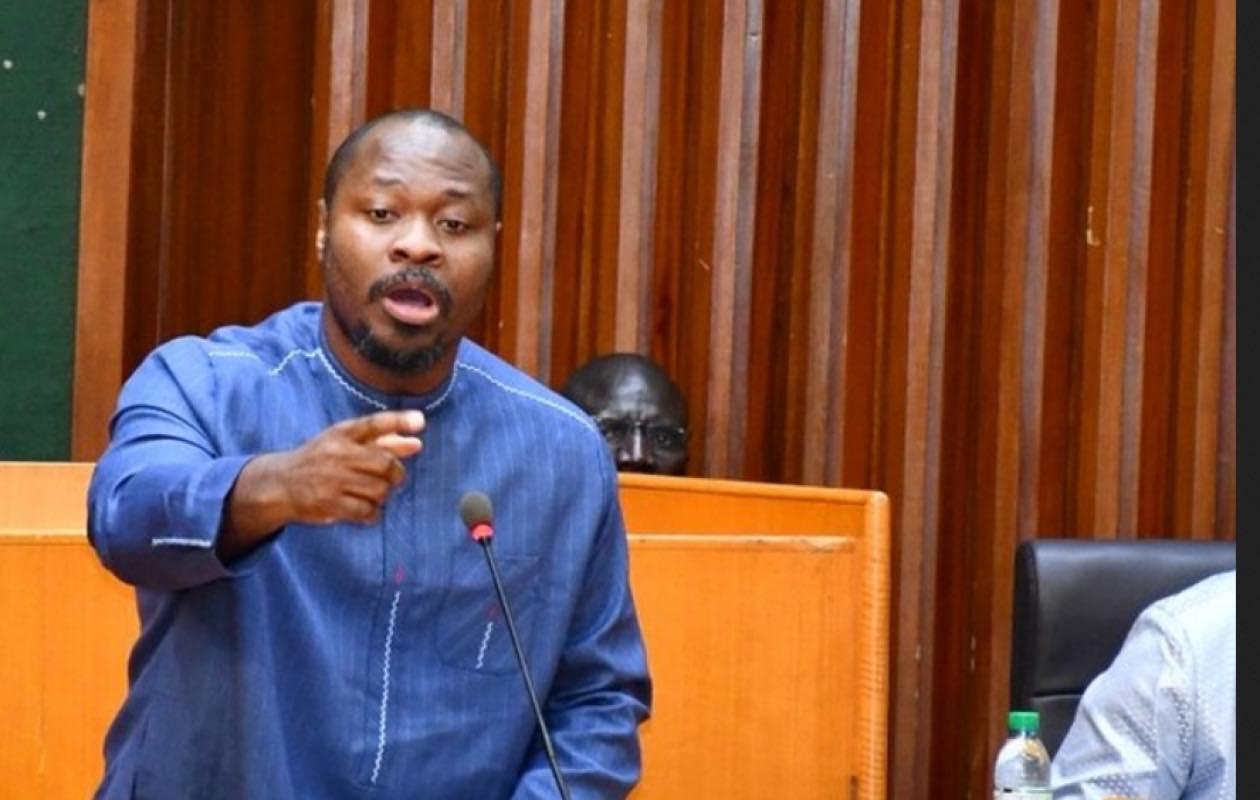
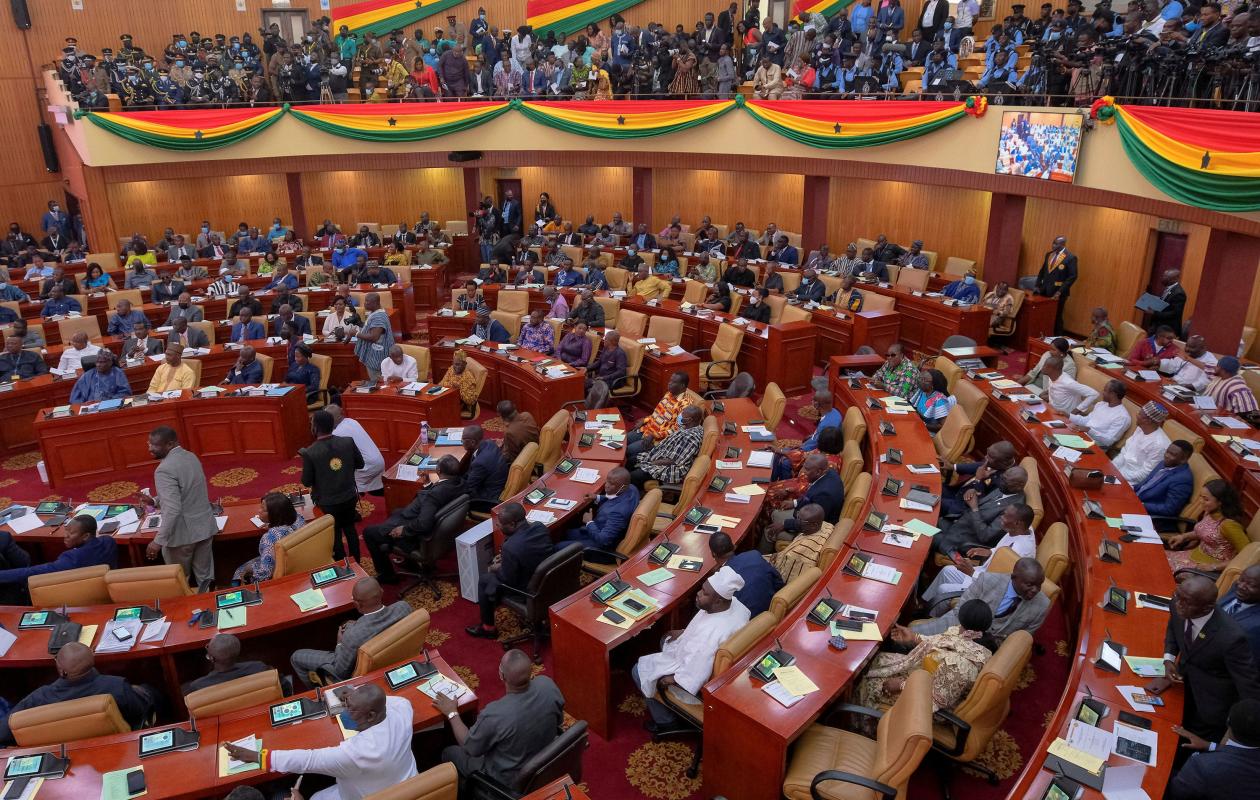
Ousmane Sonko, for his part, will have to understand that the presidency of the National Assembly also requires a profound transformation of political posture.
The mobilizing power that was historically its own can no longer operate within the frameworks of tension or continuous polarization.
The parliamentary institution now demands:
Sonko is thus entering a new phase of his political trajectory: the transition from a central role in protest to institutional responsibility.
Its future political greatness will depend less on its ability to maintain a constant intensity than on its ability to protect:
He will need to avoid three major mistakes:
Democracies find it difficult to tolerate prolonged ambiguities in symbolic command.
When a political system allows several competing centers of gravity to establish themselves for an extended period without clear mechanisms for institutional coordination, it eventually produces:
This is what is meant by state fatigue.
Sonko will therefore also have to transform his own political power: from mobilization to institution, from intensity to regulation, from combat to arbitration.
The new Prime Minister, Mr. Ahmadou Al Aminou Mohamed Lo, inherits a particularly delicate mission.
He must not simply be an administrative manager. He must become the point of connection between political power and the concrete emergencies of the country.
Because behind the institutional restructuring, the structural challenges facing Senegal remain:
Senegal is entering a period where economic credibility will weigh as much as political legitimacy.
Citizens will expect less from displays of power than from:
But this responsibility is not only about power.
The opposition, too, will have to adapt to this new grammar of power. A republican opposition cannot reduce every internal power struggle to an opportunity to weaken the state.
It will be necessary for him to oppose, and to oppose responsibly: to control without setting fires; to criticize without delegitimizing; to oppose without wishing for national failure.
Senegal has historically built a rare reputation in Africa: institutional continuity; relatively peaceful transitions of power; political pluralism; a culture of debate; and the ability to contain crises within republican forms.
This reputation now constitutes a national strategic asset that no political actor should undermine.
Activists will also need to understand that no democracy can survive in a state of permanent emotional mobilization.
Social media today produces phenomena of political overheating where:
This emotional inflation gradually weakens institutions and makes any democratic rationality difficult.
Activists will therefore also have to learn republican discipline:
As for the press, its historical responsibility becomes considerable. In periods of political realignment, the media can either produce democratic intelligibility or become permanent amplifiers of national anxiety.
Today, Senegal needs a press that is: free but responsible; critical but not hysterical; pluralistic but not inflammatory; capable of investigating without creating terminal crises on a daily basis.
The modern function of democratic journalism is no longer just to inform. It also consists of slowing down the frenzy, contextualizing events, prioritizing issues, and preserving the minimum conditions for rational debate.
Senegal is thus entering a particularly important phase of political maturation.
After the time of movement always comes the time of institution. After conquest comes organization. After rupture comes stabilization.
The true historical greatness of today's leaders will be measured less by their ability to dominate their adversaries than by their collective capacity to produce:
Senegal does not just need strongmen. It now needs strong institutions, mature regulation of public discourse, and a collective intelligence capable of transforming a political victory into a sustainable architecture of government.
Khadiyatoulah Fall,
professor emeritus in Quebec, and
Sheikh Tidiane Bâ,
PhD in Sociology of Development, Senegal