
LEÇONS DE LA CAN 2025 : Sadio Mané ou la victoire sous l’éthique de la grandeur et de la responsabilité symbolique (par Khadiyatoulah Fall)
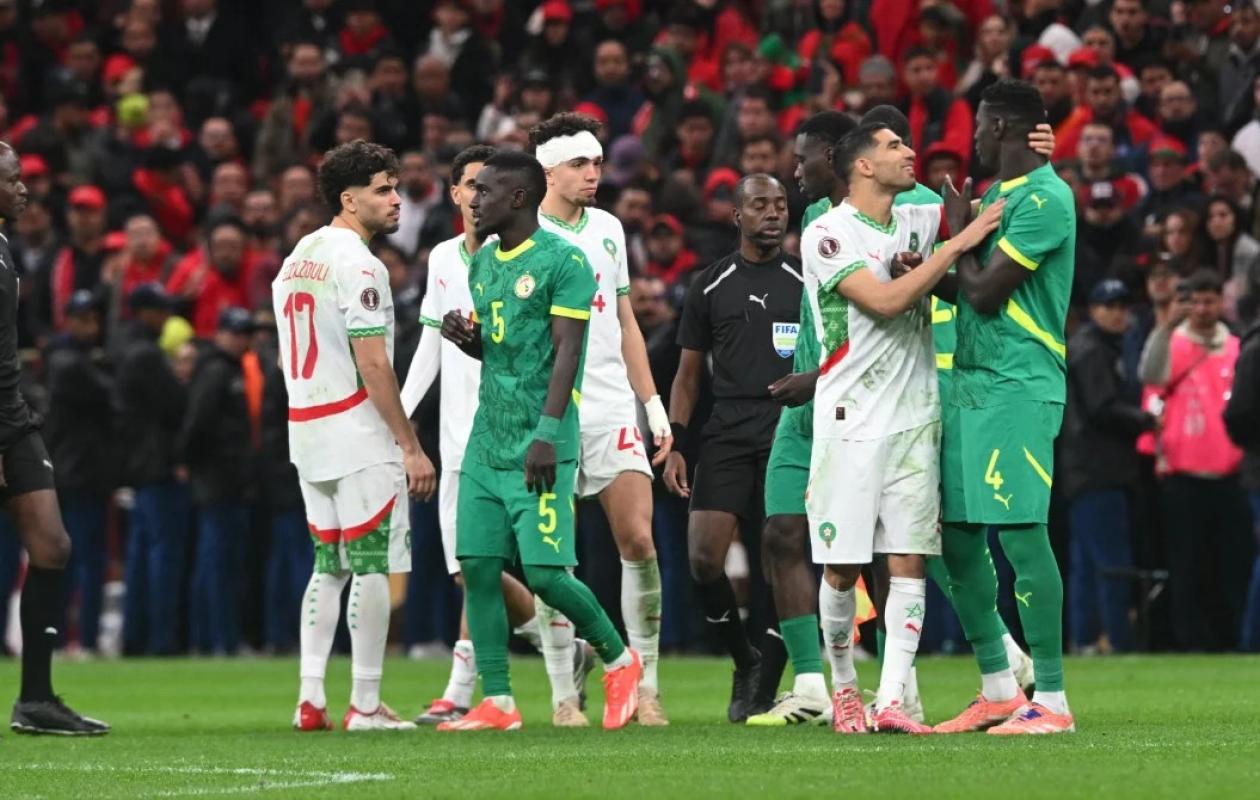
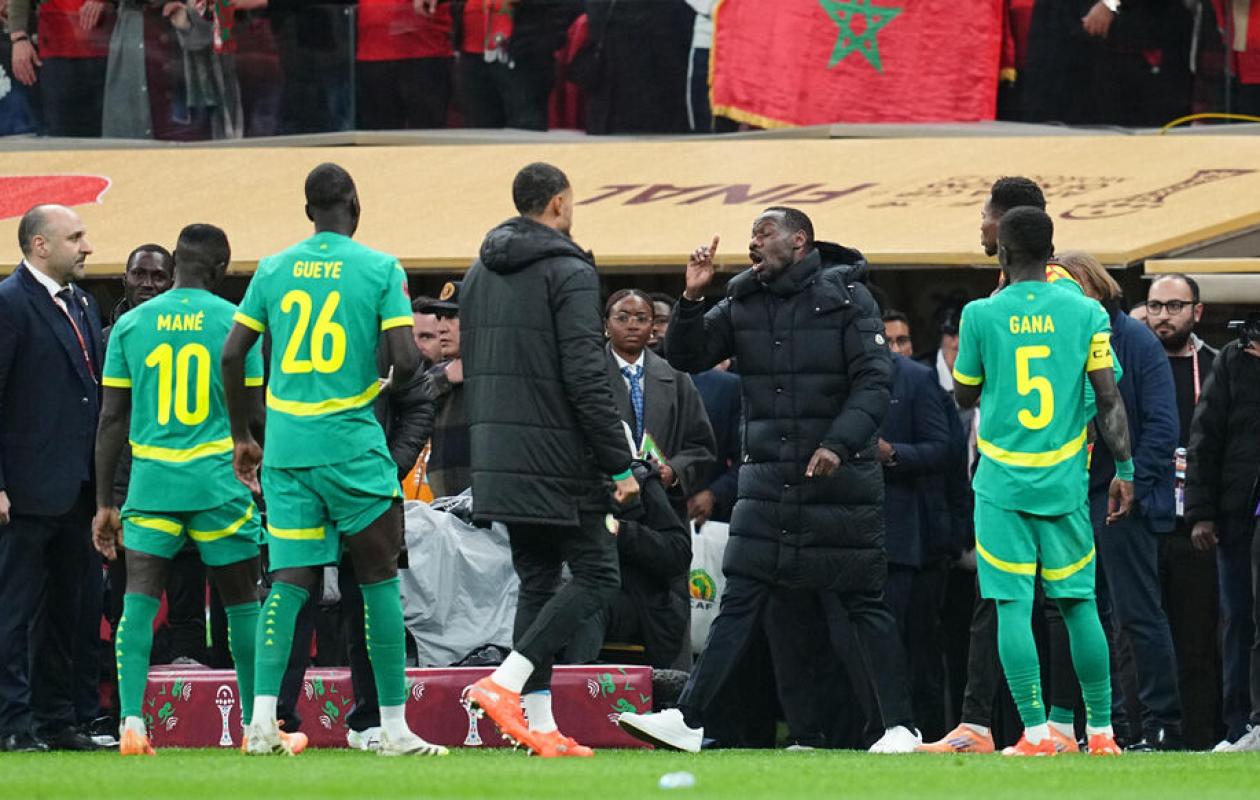
The Africa Cup of Nations final, played in Morocco between Morocco and Senegal and won by Senegal, is a prime subject of analysis for the social sciences. Beyond the result, the event encapsulates symbolic, emotional, political, and institutional dimensions that make African football a major indicator of the continent's contemporary dynamics. Following Marcel Mauss, it can be treated as a total social fact , mobilizing bodies, emotions, institutions, national narratives, and the media economy.
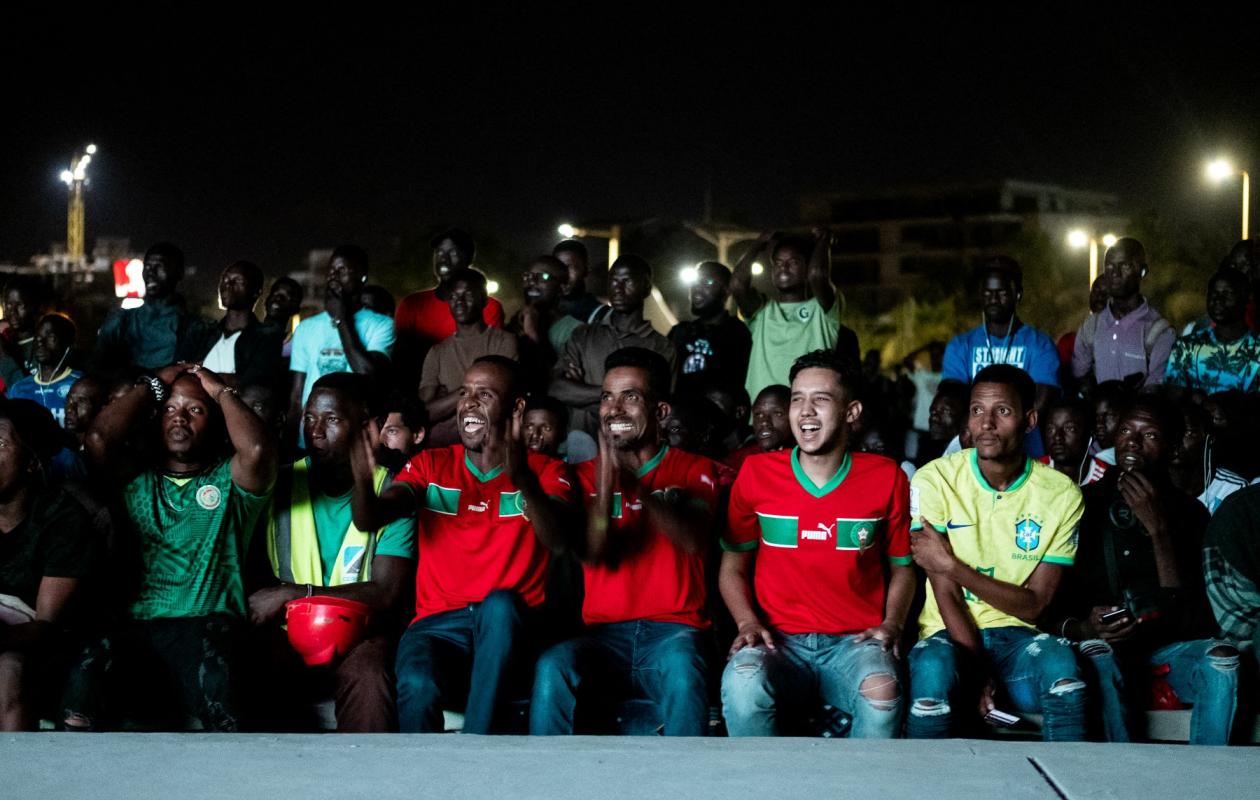
Following in the footsteps of Émile Durkheim, the final functions as a modern ritual : a moment of collective effervescence where the experience of belonging intensifies. The stadium and its media extensions become scenes of secular communion: chants, flags, choreography, silences, and emotional outbursts produce a symbolic density that transcends the game itself.
Benedict Anderson's contribution is crucial here: the nation is an imagined community made operational by mechanisms of simultaneity (press yesterday, screens and networks today). An Africa Cup of Nations final doesn't just bring together fans; it synchronizes emotions on a national and diasporic scale, giving everyone the feeling of participating in a shared "we" in real time. Football thus acts as a technology of the national imagination : it manufactures emotional unity, dramatizes otherness, and imbues victory or defeat with added significance.
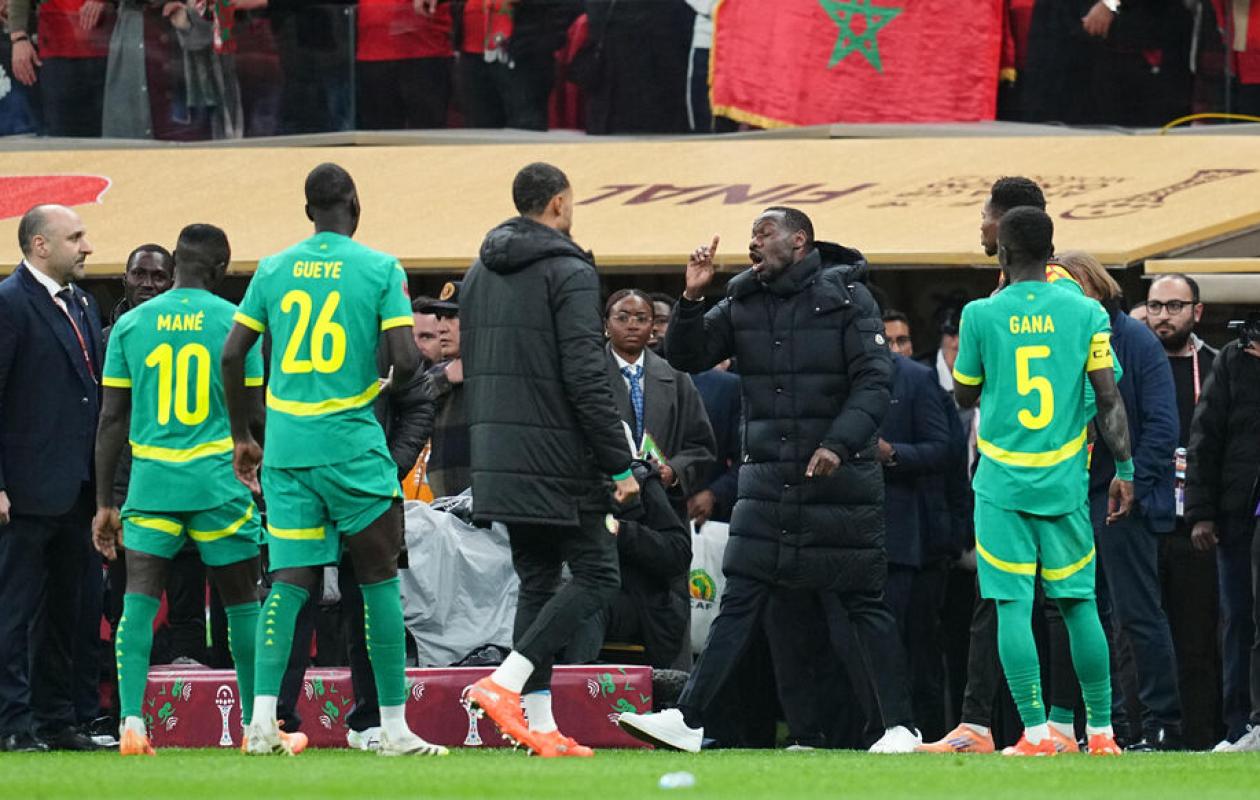
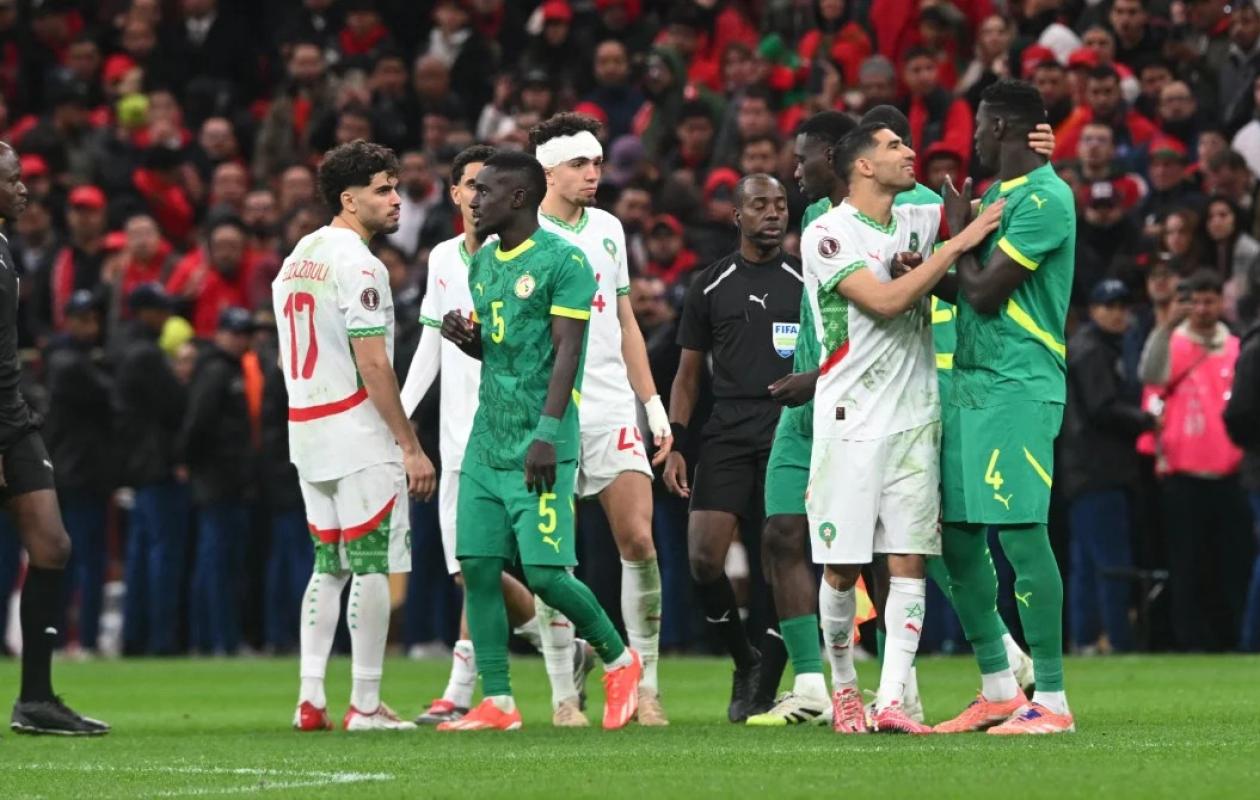
This intensity, however, comes at a cost: it can get out of hand. Norbert Elias reminds us that modern sport channels violence and competition through institutional forms that transform confrontation into regulated conflict. Missteps—excessive protests, refereeing tensions, identity-based conflicts—signal a central issue in regulating emotions. When trust in the established framework weakens, the excitement can turn into suspicion, and the ritual into a scene of polarization.
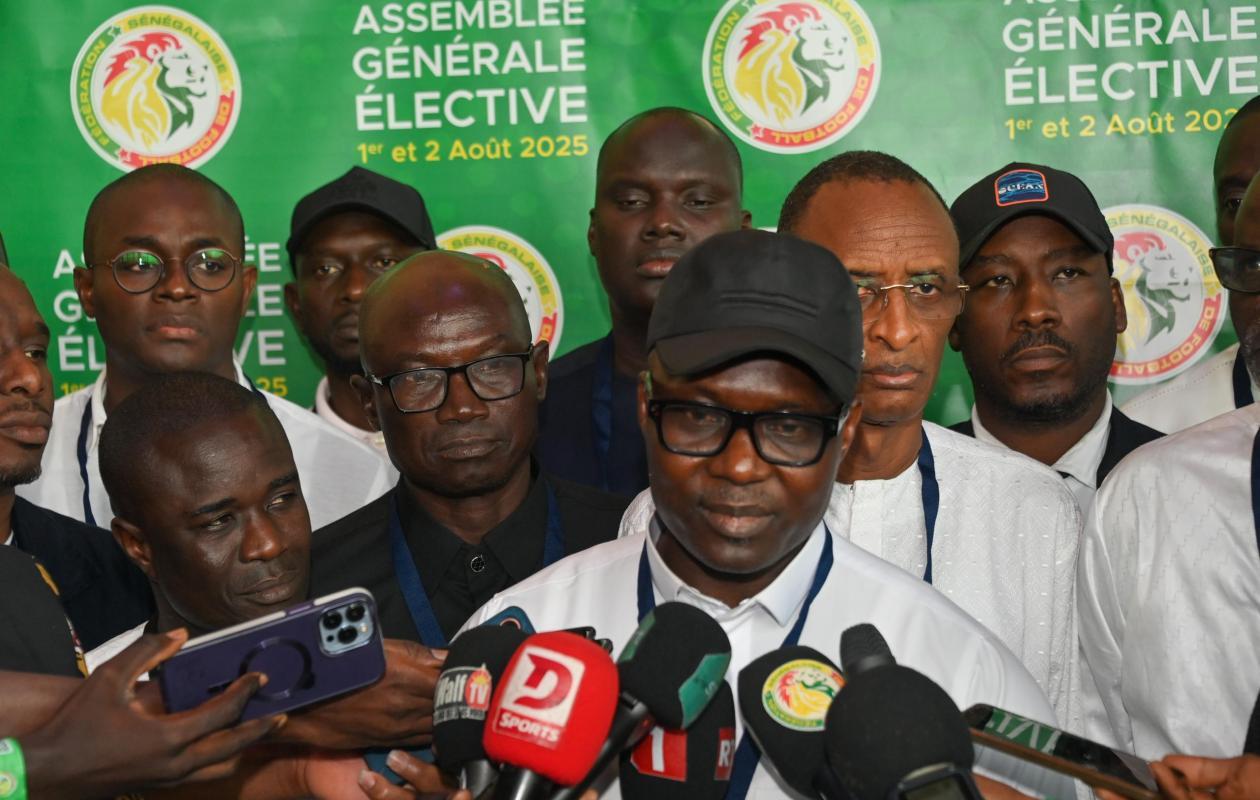
Arbitration controversies, whether founded or amplified, then become structuring: they strike at the heart of belief in the rules. Without a shared belief in the minimum impartiality of the institution, the sporting ritual loses its pacifying function. The task is therefore as much institutional as technical: professionalization, transparency, and clear explanation of decisions now appear as conditions for credibility.
Senegal's well-deserved victory serves as a reminder that the champion bears a symbolic responsibility . In a competition steeped in national emotions, the manner of winning and celebrating contributes to stabilizing—or destabilizing—the collective ritual. This responsibility was particularly evident in Sadio Mané's attitude , whose widely praised gesture of restraint and respect served as a reminder that sporting leadership is not measured solely by performance, but also by the ability to present victory in a socially acceptable form . Without diminishing the joy or the legitimate emotion of triumph, this type of behavior helps to pacify the symbolic scene, defuse tensions, and reinforce the primacy of the shared framework. This is not about moral heroism, but about a social function : that of an actor capable of transforming collective ecstasy into a point of reference, and victory into a shared language.
Here, an ethic of greatness implies neither the suppression of joy nor the reduction of the emotional intensity inherent in sporting celebration. Rather, it refers to the collective capacity to inhabit ecstasy without allowing it to transform into symbolic domination, to celebrate victory while maintaining the recognition of otherness and the primacy of the shared framework. Sociologically, this ethic is functional: it allows the emotional explosion to be transformed into a lasting sporting culture, and the moment of triumph into a stable social bond.
This AFCON in Morocco demonstrates that African football has reached a high level of sporting maturity and continental ambition. But it also shows that the future now lies on another playing field: that of the symbolic governance of competitions , that is to say, the capacity to transform effervescence (Durkheim) into cohesion, the total social fact (Mauss) into a common project, and the imagined community (Anderson) into a peaceful sense of belonging, thanks to credible institutions and figures capable of assuming victory as a collective responsibility.
Mr. Khadiyatoulah Fall, Professor Emeritus, University of Quebec at Chicoutimi, Canada















Commentaires (0)
Participer à la Discussion
Règles de la communauté :
💡 Astuce : Utilisez des emojis depuis votre téléphone ou le module emoji ci-dessous. Cliquez sur GIF pour ajouter un GIF animé. Collez un lien X/Twitter ou TikTok pour l'afficher automatiquement.