Thiès : L'envers du décor et les sacrifices extrêmes des pères de famille pour la Tabaski
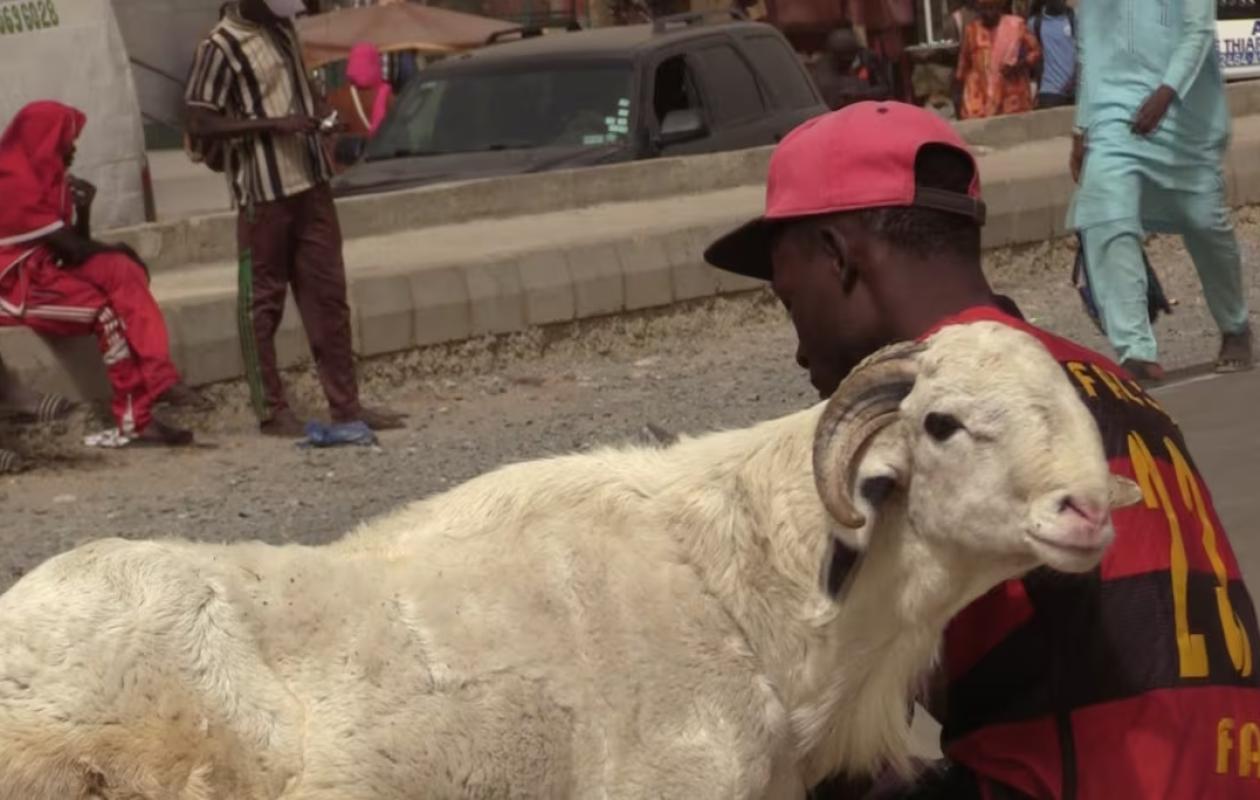
With Tabaski just days away, the pressure is mounting in Senegalese households. In Thiès, as everywhere else in the country, heads of families are working tirelessly to raise the money needed to buy a sheep, spices, and clothes for their children. Between odd jobs, deprivation, and personal sacrifices, many are experiencing this period as a true test of strength.
At the central market in Thiès, the atmosphere is already electric from the early hours of the morning. By 8 a.m., traders, Jakarta motorcycle taxi drivers, chauffeurs, street vendors, and other informal workers are already hard at work. They all share the same goal: to maximize their earnings to cope with the colossal expenses of Eid al-Adha.
With a basket of vegetables balanced on her head, Aïssatou hurries to her stall. A widow and mother of five, she says she lives under constant pressure as the holiday approaches. Every day, she leaves her home in the Kaosara Fall neighborhood to sell her produce until evening, hoping to provide for her children.
“Right now, all fathers and mothers are under pressure. Everyone is scrambling for money for Tabaski,” she confides, her face drawn with fatigue. Despite the difficulties, she says she has already secured a sheep, but she still needs to buy clothes for her daughters and the spices for the big day. “I sacrifice every day so my children won’t envy the neighbors,” she adds.
Sometimes extreme sacrifices
Testimonies gathered on site show how far some parents are willing to go to preserve family dignity during this major religious festival.
Galaye, a retired local resident, recounts how he once had to sell his refrigerator and television to buy a ram. "I didn't want to ask anyone for help," he explains, justifying his actions. This year, he plans to sell his Ladoum sheep again to buy a more affordable one and cover the additional expenses related to the festival.
According to him, social pressure unfortunately pushes some people towards regrettable excesses. "We hear about thefts and assaults because of Tabaski. People must maintain their dignity and strictly act within their means," he advises.
The same is true for Assane, a young, newly married bricklayer. Determined to offer his wife a sheep and valuable fabrics for her first Tabaski as head of the family, he accepts all possible contracts, without distinction.
“If I can’t find a masonry job, I do something else. I don’t rule out any work that can bring in some money,” he says. He even admits to having recently agreed to unclog a septic tank by himself to earn a small amount. “All we want is to raise the necessary funds before Tabaski,” he says.
Daouda, a father of two wives in a polygamous household, acknowledges that this year has been particularly difficult financially. A security guard by profession, he explains that his low salary, coupled with the economic consequences of recent years, is making preparations extremely challenging.
"For the moment, I have only paid for the clothes of my two wives. I still have the children's clothes, the sheep and the condiments to pay for," he lists, a little anxious.
"Everything else is just entertainment."
Faced with this strong social pressure, some key figures are nevertheless reminding people of the true recommendations of Islam regarding Tabaski. According to one religious leader interviewed, the festival actually only involves two fundamental obligations: performing the Eid prayer and sacrificing an animal in accordance with Islamic precepts.
“Everything else is Ada, meaning social customs. No one is obligated to buy new clothes or an expensive sheep,” he explains clearly. He emphasizes that only one person can sacrifice an animal for the entire compound and that everyone must act according to their financial means.
"We should not copy our neighbors. Tabaski comes and goes, but the water and electricity bills remain," he lucidly reminds us, calling on people to avoid systematic debt and ostentatious spending.
























Commentaires (1)
Participer à la Discussion
Règles de la communauté
💡 Astuce : Utilisez des emojis depuis votre téléphone ou le module emoji ci-dessous. Cliquez sur GIF pour ajouter un GIF animé. Collez un lien X/Twitter, TikTok ou Instagram pour l'afficher automatiquement.
Se connecter
Commentez avec votre profil, votre photo, et soyez averti des réponses.