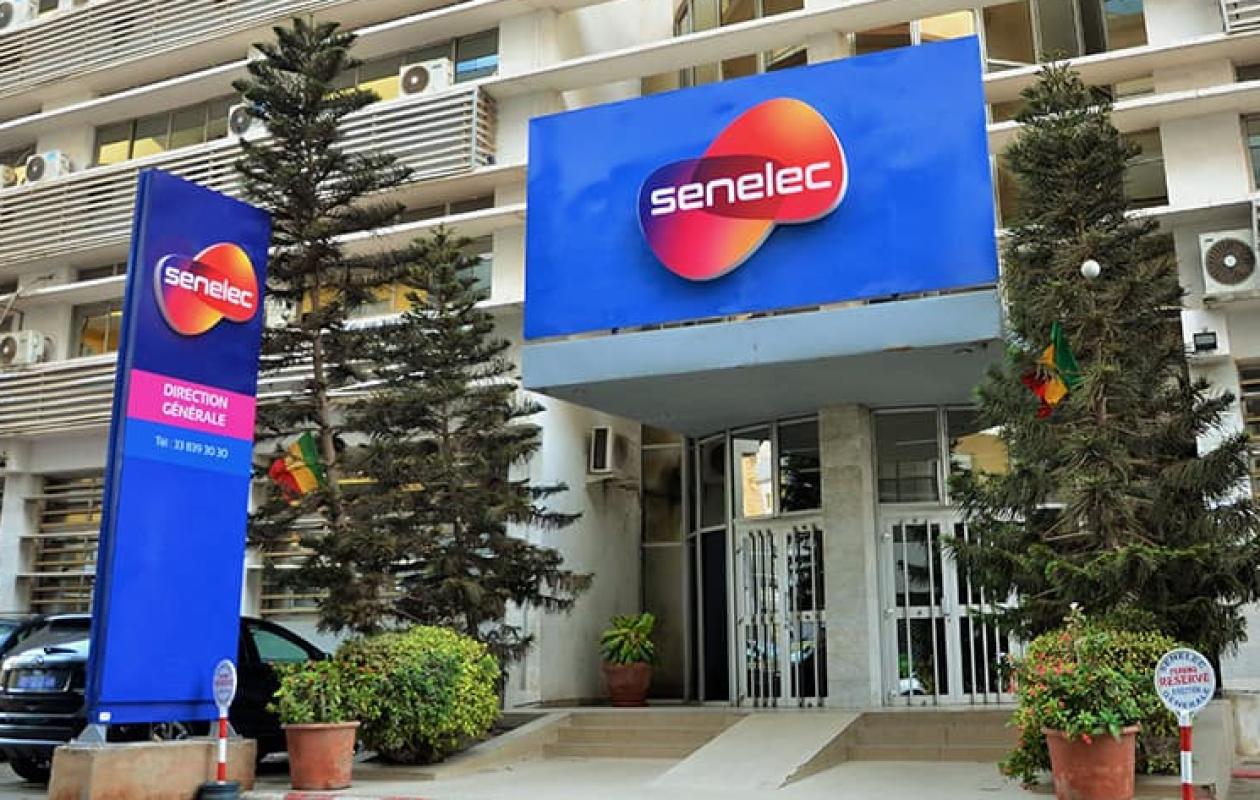
Modernisation du réseau : La Senelec renforce sa stabilité avec une nouvelle infrastructure de 56 MWh
Senegal is committed to modernizing its electrical system with the launch of the Diass battery energy storage project. The groundbreaking ceremony was presided over by the Chief of Staff to the Minister of Energy, Petroleum and Mines, representing Minister Birame Souleye Diop.
“Senegal has resolutely embarked on an ambitious path to transform its energy sector, aligned with the long-term vision of the Senegal 2050 framework and further developed in the Partnership for a Just Energy Transition (JETP). Our ambition is clear: to reach 40% renewable energy in the electricity mix by 2030. But beyond this objective, the goal is to build a sovereign energy system based on the optimal use of our national resources. A diversified energy mix, combining renewables, natural gas, and innovative solutions. Universal access to quality, competitive, and sustainable electricity,” declared Mamane Djité, Chief of Staff to the Minister of Energy, Petroleum, and Mines.
This major project, undertaken in partnership with the national operator Senelec, benefits from the support of key international partners, notably the French Development Agency (AFD) and Germany, through its cooperation mechanisms. With a capacity of 56 MW/56 MWh, the Diass storage system is a crucial infrastructure for integrating renewable energies into Senegal's electricity mix. It aims to address the intermittency of solar and wind power generation while ensuring grid stability.
According to Christine Fages, France's ambassador to Senegal: "Behind these figures are power outages avoided or better managed, solar energy finally fully stabilized, frequency and voltage regulated, and solar energy finally fully utilized, even when the sun isn't shining." This system will notably improve the continuity and quality of the electricity supply, stabilize the grid's frequency and voltage, and optimize the operation of renewable energy plants. Through this project, Senegal confirms its ambition to reach 40% renewable energy in its electricity mix by 2030.
Moreover, Dr. Maria Flachsbarth, Parliamentary State Secretary to the Minister for Economic Cooperation and Development in Berlin, drew a comparison between her country and Senegal. “In Germany, the share of renewable energy reached almost 55% by 2025. This is already a significant step forward. But it is not enough. There is still much to be done. In Senegal, the energy yield of solar installations is much higher than in Germany thanks to the greater amount of sunshine. Senegal's potential is extraordinary,” she said.
Cooperation between Senegal, Germany, and France falls within the framework of the Just Energy Transition Partnership (JETP), launched in 2023. This mechanism aims to support partner countries in implementing sustainable and inclusive energy policies. Dr. Maria Flachsbarth praised this exemplary project, emphasizing that the Diass solar power plant, operational since 2022, is a successful example of integrating renewable energy into the national grid. She also reiterated Germany's commitment to working alongside Senegal to accelerate the energy transition and reduce electricity production costs.
For Senegalese authorities, energy storage represents a strategic tool in a context marked by the volatility of international energy markets and dependence on hydrocarbon imports. According to stakeholders, this type of infrastructure strengthens the country's energy independence while supporting economic and industrial development. The project is also seen as a major step forward in terms of the resilience of the electrical grid, capable of responding to fluctuations in demand and production in milliseconds.
The Diass project involves the installation of approximately 30 battery containers, with commissioning phased over an estimated 12-month period. It will be operated directly by Senelec, thereby strengthening its technical and operational capabilities. For Pape Toby Gaye, this initiative aligns with the national strategy to guarantee universal access to reliable, sustainable, and competitive electricity throughout the country. Beyond the infrastructure itself, this project exemplifies the strength of the partnerships between Senegal and its technical and financial partners. The French Development Agency (AFD) and German cooperation are thus reaffirming their commitment to supporting Senegal in its energy transition goals.











Commentaires (1)
Participer à la Discussion
Règles de la communauté :
💡 Astuce : Utilisez des emojis depuis votre téléphone ou le module emoji ci-dessous. Cliquez sur GIF pour ajouter un GIF animé. Collez un lien X/Twitter, TikTok ou Instagram pour l'afficher automatiquement.