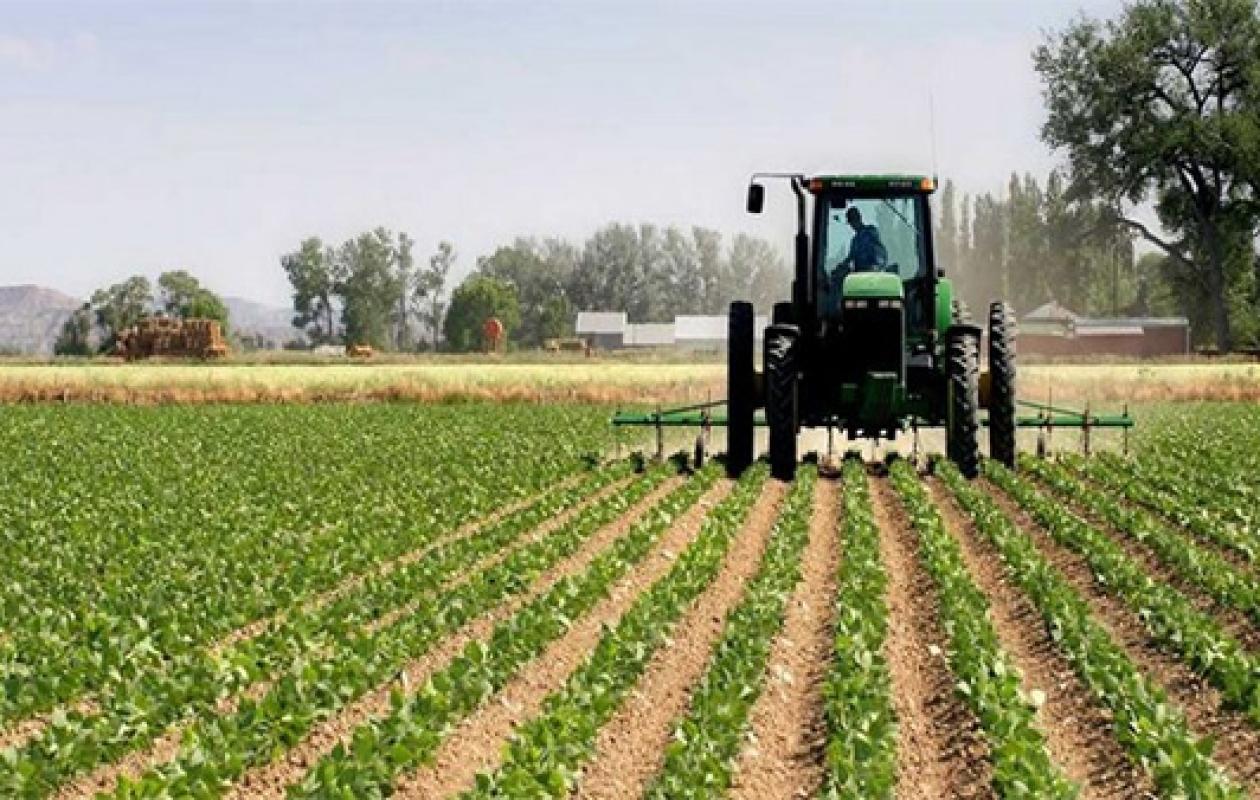
Agriculture sénégalaise : La productivité reste le point de blocage
Despite decades of public programs, agricultural productivity remains relatively low in Senegal. Yet the sector plays a central role in the national economy, employing a significant portion of the workforce and contributing to food security. This situation perpetuates a well-known paradox: recognized agricultural potential, but performance that falls short of expectations.
According to the World Bank, agriculture employs more than 30% of the working population in Senegal, while its contribution to the gross domestic product is around 16%, according to data from the IMF and the BCEAO. This discrepancy reflects a limited level of productivity, linked to the small size of farms, still low mechanization, and a strong dependence on climatic conditions.
Several public programs have sought to improve yields, notably through the distribution of inputs, support for agricultural sectors, and the development of irrigation. The Program to Accelerate the Pace of Senegalese Agriculture and the National Rice Self-Sufficiency Program have led to increased production in certain areas, particularly in the Senegal River Valley. Paddy rice production has exceeded one million tons in recent years, according to data from the Ministry of Agriculture, whereas it was significantly lower in the early 2010s.
However, progress remains uneven across crops and regions. Access to fertilizers, improved seeds, and equipment remains limited for a large proportion of farmers. Agricultural financing also remains difficult. According to BCEAO statistics, loans granted to the agricultural sector represent less than 5% of total bank financing in the West African Economic and Monetary Union, even though agriculture accounts for a much larger share of employment and production.
Dependence on rainfall is another determining factor. A large portion of cultivated land remains dependent on rainfall, making production highly vulnerable to climatic hazards. This situation partly explains the continued reliance on food imports. Senegal continues to import a significant share of its rice and wheat needs, contributing to the trade deficit, as shown by statistics from the Directorate of Forecasting and Economic Studies.
Productivity also depends on the organization of supply chains. In many cases, difficulties with storage, transport, or processing reduce the profitability of local production. Post-harvest losses remain high, and producers sometimes have access to insufficiently structured markets, which limits the incentive to invest in improving yields.
Sustainable improvement in agricultural production therefore requires more than simply increasing cultivated land. It depends on the dissemination of appropriate technologies, better access to finance, the development of irrigation, and a more efficient organization of value chains. Until these conditions are met, agricultural growth risks lagging behind food demand.
In a country where agriculture retains a major economic and social role, the issue of productivity remains crucial for food security, reducing imports and improving rural incomes.
![[Exclusif] Révision de la Constitution : Le Conseil constitutionnel invalide le vote des députés](https://image.seneweb.com/content/news/2026-28-09//thumb_1260x800_6a4fdec36aa84_Tpa745ZYpD.jpg)






















Commentaires (4)
Participer à la Discussion
Règles de la communauté
💡 Astuce : Utilisez des emojis depuis votre téléphone ou le module emoji ci-dessous. Cliquez sur GIF pour ajouter un GIF animé. Collez un lien X/Twitter, TikTok ou Instagram pour l'afficher automatiquement.
Se connecter
Commentez avec votre profil, votre photo, et soyez averti des réponses.