Le pouvoir, cet examen que l’amitié politique rate souvent
Alexis de Tocqueville is credited with this almost proverbial phrase: "Politics is the graveyard of friendship." Observing current events in Senegal, one would be tempted to add a complement: and power is its most zealous gravedigger.
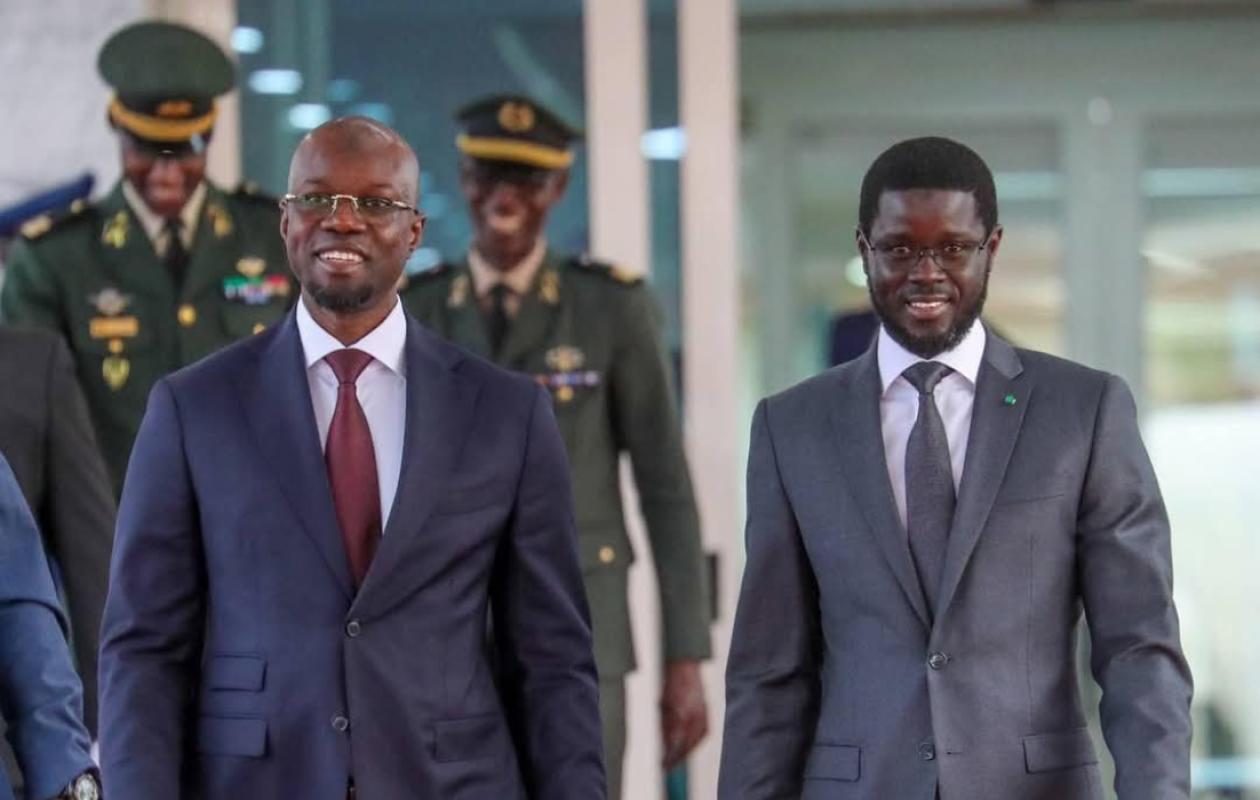
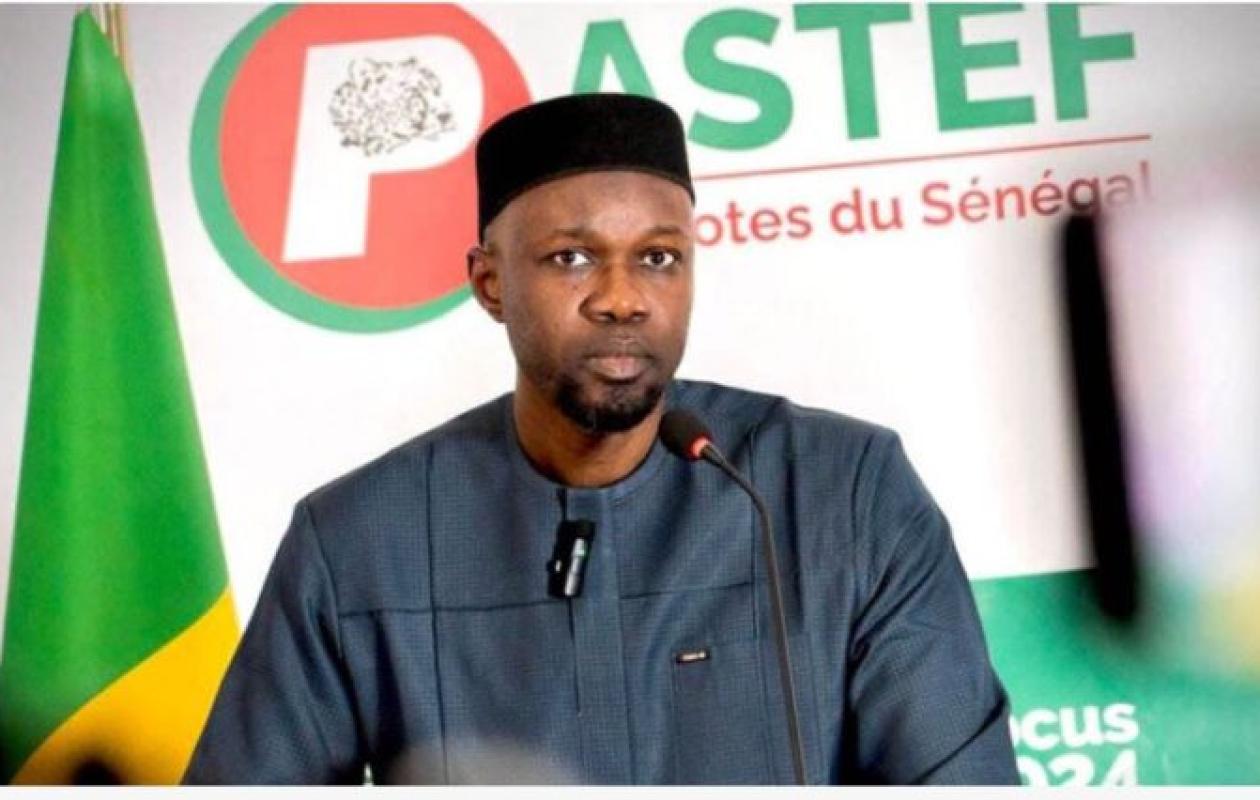
For a long time, many Senegalese believed that Ousmane Sonko and Bassirou Diomaye Faye were exceptions to this rule.
Their political histories seemed different. They had been forged in the crucible of hardship, trials, trials, imprisonment, and a shared promise to break with old practices. Their relationship appeared less like a convenient alliance than a genuine political fraternity. It is precisely for this reason that the first signs of divergence were as surprising as they were intriguing.
Yet, Senegal's political history teaches us that even the strongest relationships rarely withstand the test of power. Before them, there were the misunderstandings between Mamadou Dia and Léopold Sédar Senghor. More recently, the paths of Abdoulaye Wade and Idrissa Seck diverged abruptly after having seemed inseparable. Then came the break between Wade and Macky Sall, another significant episode in a long national series where successors often end up distancing themselves from their mentors.
The recent political exchange between Sonko and Diomaye falls within this tradition. On one side, a former Prime Minister publicly revisits the behind-the-scenes details of a separation that has now become official. On the other, a Head of State who, during the centenary celebrations of President Wade, chooses to remind everyone that no quarrel is worth tearing the country apart and that an adversary can become a partner.
The message is elegant. It is also revealing. Because in politics, speeches of reconciliation often appear when the differences are already deep enough to require a public explanation.
In Senegal, the truth is that political slogans enjoy a comfortable existence as long as they remain untouched by the realities of power. Governing requires arbitration, prioritization, and decision-making. And every decision inevitably generates frustration, even among those who yesterday shared the same struggles. Indeed, one of the paradoxes of power is this: it unites common ambitions when it is to be won, but it reveals differences when it comes to wielding it.
The most passionate supporters always look for culprits, traitors, or conspirators. Yet, the dynamics are often simpler. Two men can share the same objective but diverge on how to achieve it. They can champion the same project and end up embodying different visions of its implementation. This is, in fact, the fate of many political ventures.
Ultimately, the surprise may not lie in the apparent distance between Sonko and Diomaye. The real surprise is that many believed they would be immune from a law that, since independence, has regularly targeted close political friendships in Senegal.
Because in our part of the world, alliances are built on ideas, interests, circumstances, and sometimes genuine affection. But when the time comes for power, it always reminds us that it has only one loyalty: itself. That's why promises remain in speeches, slogans in rallies, while the realities of power often tell a very different story.
And perhaps that is precisely where all the charm — or all the cruelty — of our way of doing politics lies.










Commentaires (4)
Participer à la Discussion
Règles de la communauté :
💡 Astuce : Utilisez des emojis depuis votre téléphone ou le module emoji ci-dessous. Cliquez sur GIF pour ajouter un GIF animé. Collez un lien X/Twitter, TikTok ou Instagram pour l'afficher automatiquement.