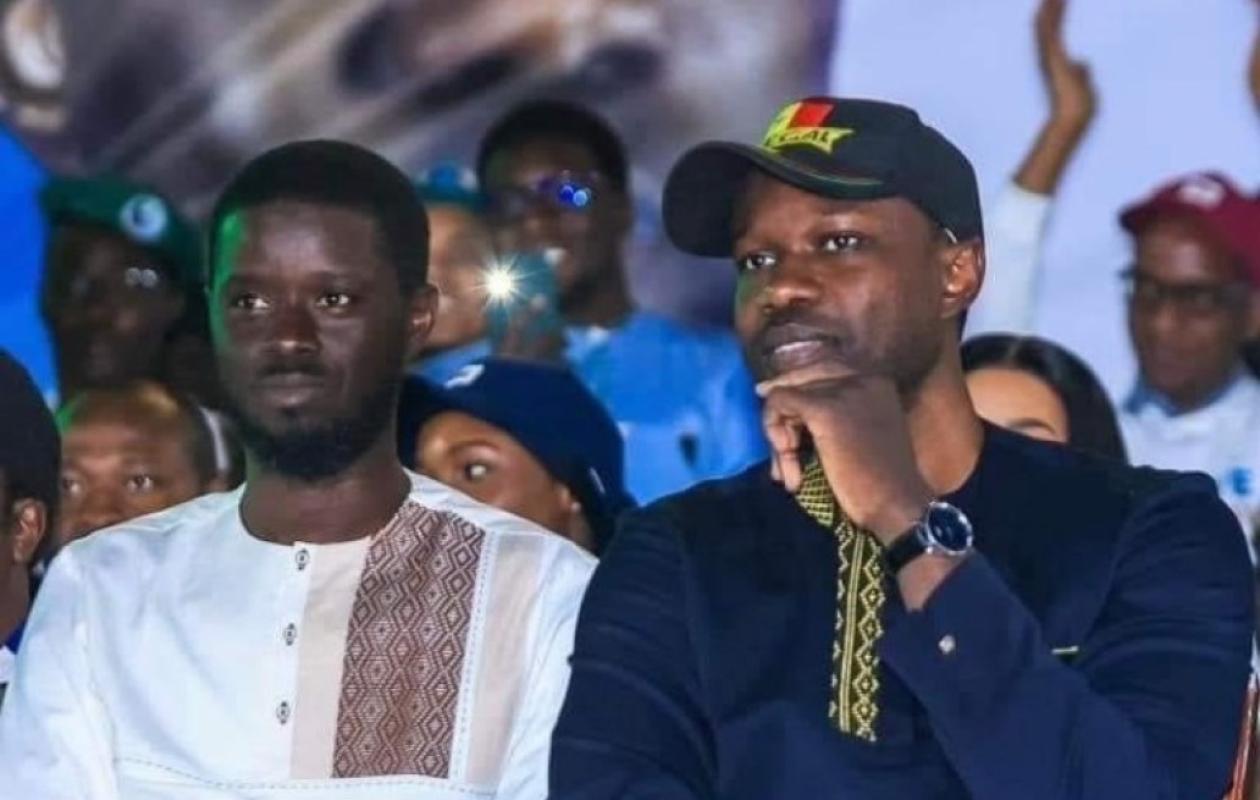
8 novembre : le Sénégal à la croisée des ruptures (Félix Atchade)
On the eve of the PASTEF rally where Ousmane Sonko is to address the nation, Senegal enters a moment of truth. Between the expectations of the people, the hesitations of the government, and the profound challenges ahead, more than a political turning point is at stake: the fidelity or betrayal of a revolution.
On the eve of PASTEF's TERA rally scheduled for November 8, where Ousmane Sonko is expected to make a statement that some predict will be decisive, Senegal is holding its breath. Since the March 24, 2024 election, the country has been living in a strange tension between hope and expectation. The people, victorious at the ballot box, are now watching a government hesitant to define itself.
President Bassirou Diomaye Faye's hesitations, previously perceived as tactical caution, are now taking the form of a deeper political unease: that of a state in transition struggling to choose its front line. And in this silence, impatience is mounting. November 8th could well be the moment of truth—the moment when the coherence between the promises of a break with the past and the government's sluggishness will be tested.
The context cannot be minimized. As I emphasized in a recent post, the debate on "hatred" and "revenge" orchestrated by those who joined the movement at the eleventh hour is merely a diversion : the real problem is not moral, it is political. It lies in the direction the country must now take, and in the government's ability to remain true to its popular mandate—that of rebuilding Senegal on sovereign, social, and pan-African foundations.
A state imprisoned by its own forms
Senegal's first challenge is structural. The Senegalese state remains colonial in its architecture: centralized, bureaucratic, governed by a law and a language that still link it to the French matrix.
The continued use of the CFA franc, defense agreements, and the technocratic reflexes of the senior civil service illustrate this dependence. The audit of public finances and the revelation of a hidden debt of 4.3 trillion CFA francs exposed a political system where the state served creditors first, before serving its citizens.
The institutional break announced by President Bassirou Diomaye Faye therefore implies more than good governance: it demands a historical refounding. It is not only the way of managing that must change, but the very conception of power. As long as institutions remain extroverted, sovereignty will remain a slogan and not a reality.
Economy: produce to live or import to survive
On the economic front, the choice is just as clear-cut. For more than half a century, Senegal has lived according to the extroverted economy model described by Samir Amin: export of raw materials, dependence on food imports, chronic indebtedness, domination by donors.
Macky Sall's Emerging Senegal Plan (PSE), intended to modernize the country, has mainly increased financial dependence and widened the social divide.
The new government initiated a shift in policy: food sovereignty, national industrialization, and control of local content in hydrocarbons. However, this direction is hampered by the rigidity of the monetary framework, pressure from the Bretton Woods institutions, and resistance from administrative elites.
The choice is existential: produce to live or import to survive. And this decision will not be made in offices, but in fields, workshops, schools and ports — where real wealth is created.
Diplomacy and geopolitics: between caution and boldness
On the regional stage, Senegal is playing a delicate role. At a time when ECOWAS is fracturing, and when the ESA is asserting itself as an alternative pole, Dakar is trying to reconcile mediation and firmness.
Senegalese diplomacy advocates active neutrality: engaging in dialogue with all, but submitting to no one. France, Germany, China, Turkey, Russia, Saudi Arabia, and others—all want their share of the "new Senegal." In this complex landscape, the country seeks to build a foreign policy based on reciprocity and dignity.
But the balance is precarious. One misstep, and the country could fall back into vassalage or isolation. November 8th must therefore also be a moment of geopolitical clarification: to clearly state with whom and why we want to cooperate.
The social forces of sovereignty
The fate of the project now depends on Senegalese society itself. Three forces can either change the course of history or not.
The first is the vast and impatient youth who brought down Macky Sall's regime. They thirst for participation, not patronage; for dignity, not dependency. The risk is that they will feel betrayed if the government fails to give them a voice or a voice.
The second is the working class—factory workers, farmers, low-level civil servants, fishermen, transporters—who silently sustain the country. Without their mobilization, policies of production and redistribution will remain a pipe dream.
The third group, finally, is the critical intelligentsia, those who connect thought to action: academics, artists, journalists, activists. Their role is to redefine the national narrative, to give meaning to the rupture, and to defend the coherence of the project against bureaucratic or opportunistic temptations.
The dilemma of power
Senegal must choose between two paths. The path of cautious reformism, which reassures external partners but disappoints the people; or the path of revolutionary realism, which accepts tensions in order to rebuild in the long term.
The President of the Republic, so far, has been oscillating between the two: he carefully chooses his words, appeasing some, and temporizing others. But this constant balancing act risks paralysis. As the Senegalese Chronicles wrote: "Breaking the silence is rediscovering meaning." The country is waiting for direction.
November 8th will not be a mere partisan gathering. It could become a pivotal moment: either the government embraces the profound nature of the break with the past, or it allows itself to be swallowed up by the routine of state life. The choices to come—economic, diplomatic, institutional—will determine whether Senegal remains trapped in dependency or embarks on the path to true sovereignty. But history never waits: it either moves on or takes its revenge.
We trust Ousmane Sonko, president of PASTEF, to find the right words and fully grasp the stakes. He understands the people's spirit because he is both their product and their voice. He is the very breath of this revolution, one that is not measured by the length of a term in office, but by the depth of a collective hope: that of a Senegal that stands tall, clear-sighted, and sovereign.
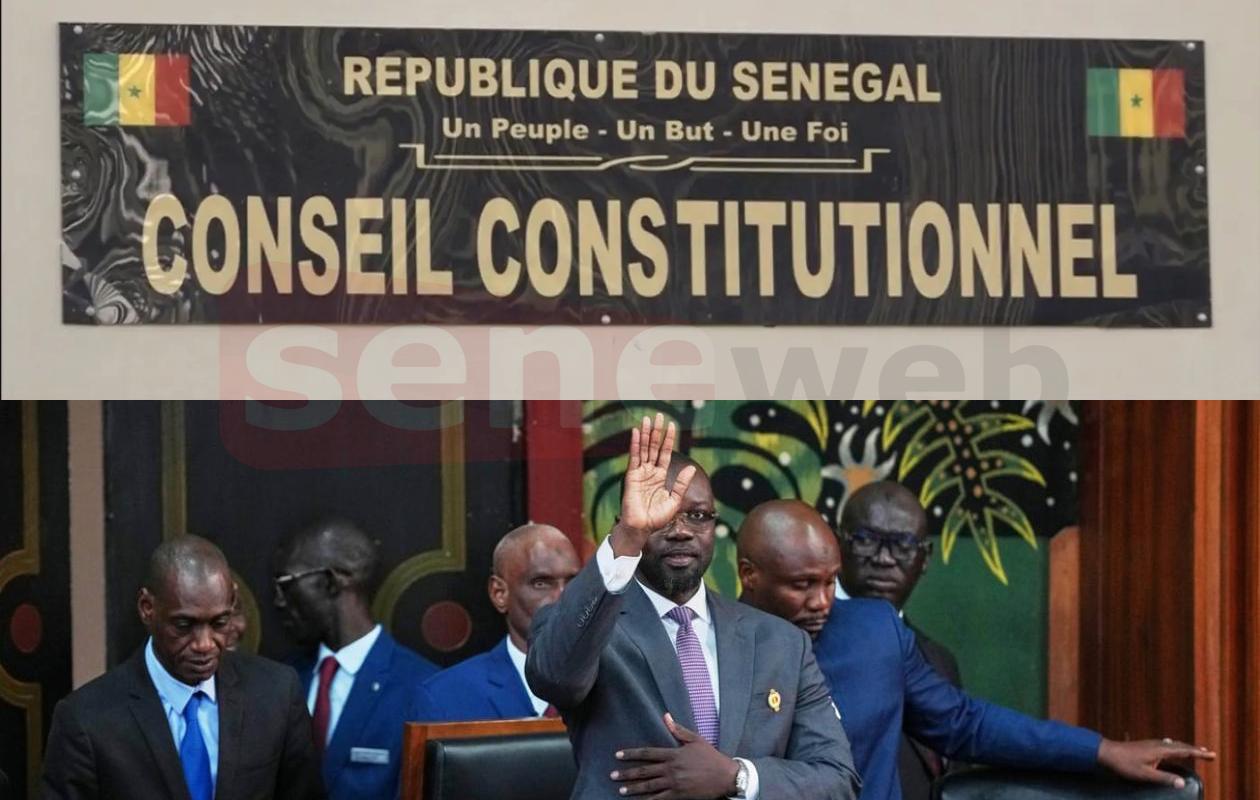
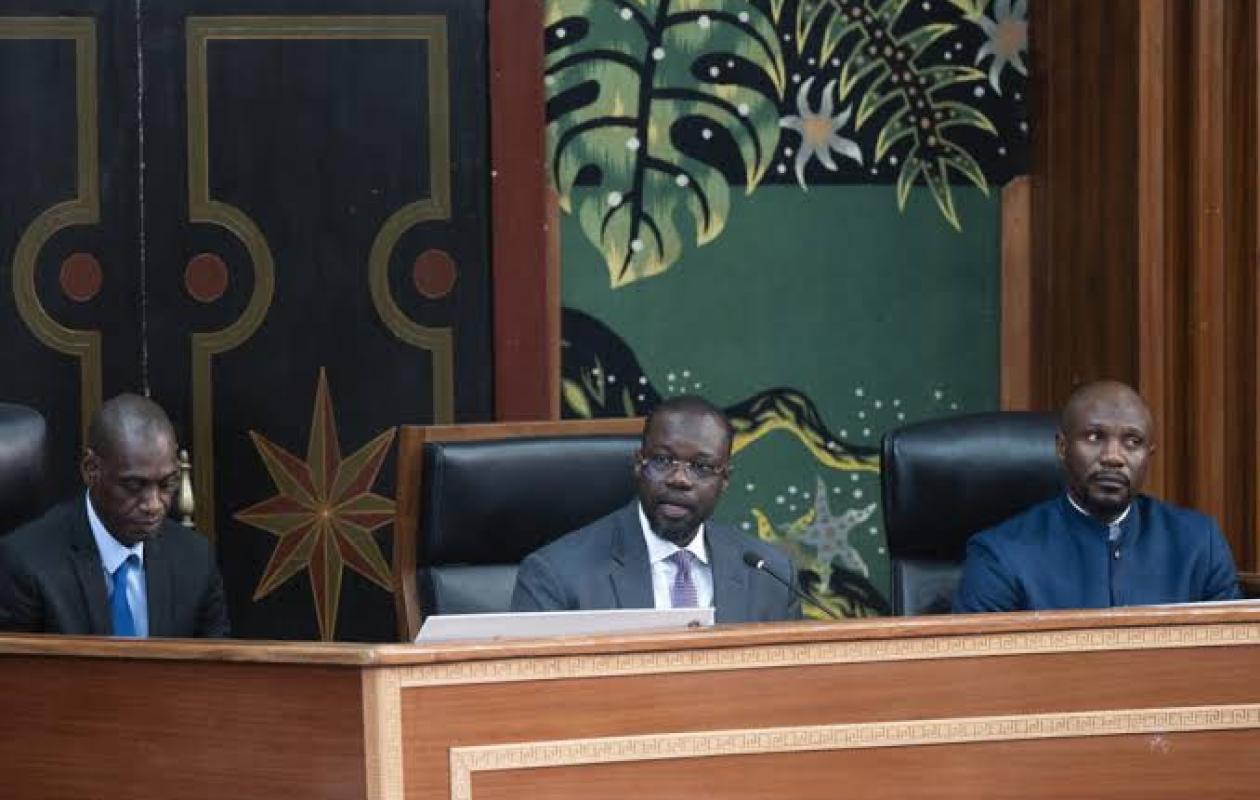
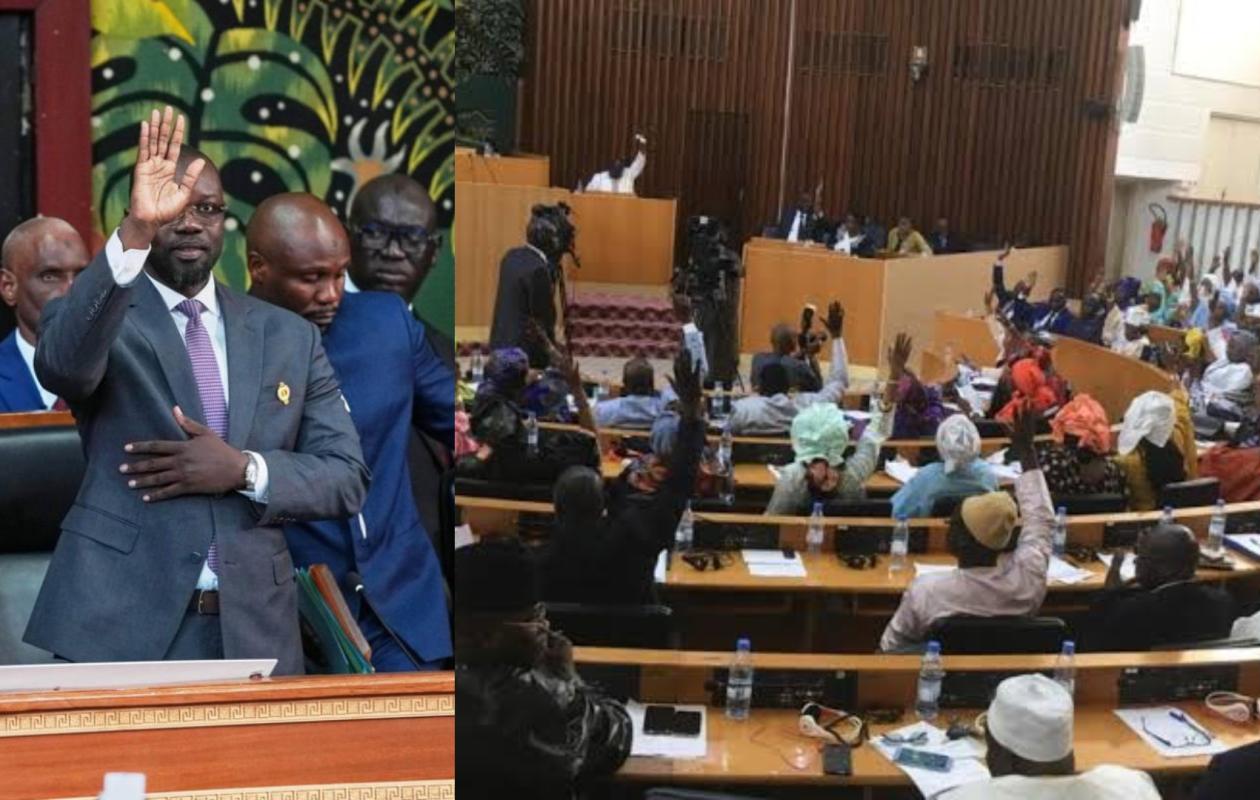
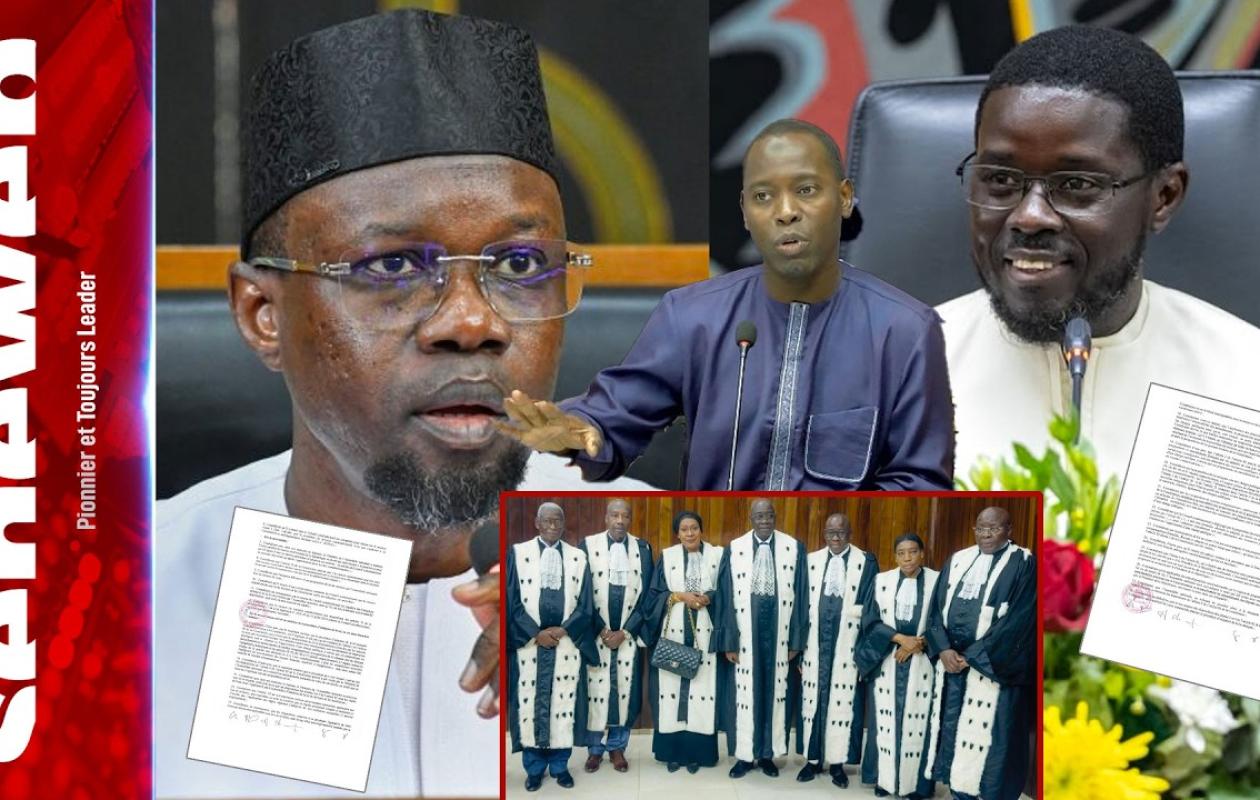
![[Exclusif] Révision de la Constitution : Le Conseil constitutionnel invalide le vote des députés](https://image.seneweb.com/content/news/2026-28-09//thumb_1260x800_6a4fdec36aa84_Tpa745ZYpD.jpg)









Commentaires (23)
Diomaye de grâce il ne faut surtout pas le dégommer parce que ce sera pour lui un échappatoire. Il doit assumer ce qu’il a fait
Oui à la reconstruction du pays et des mentalités
Mais attention:
Non à l’aventurisme révolutionnaire et diplomatique ni à la remise en cause de notre démocratie.
Pas de place pour un populisme dont on sait qu’il a existé dans les années 70 et qu’il n’a mené à rien
On souhaite que Sonko réussisse mais dans la lucidité et la tolérance en sachant que Pastef n’a ni le monopole de la vérité ni celui du patriotisme
Et s’il faut trouver des compétences ailleurs que dans ce parti, il faut aller les chercher
Il y a des gens propres et compétents qui ne sont pas des militants
Le pouvoir doit toujours faire attention à lui-même
Ce qui se passe est de la responsabilité unique de diomaye faye qui par des manœuvres souterraines et sournois est en train de liquider sonko en silence avec l'influence des occidentaux surtout la France. Pour moi diomaye faye n'a jamais été dans ce projet et ces actes au quotidien depuis qu'il est au pouvoir à travers la justice sur la reddition des comptes, rendre justice aux martyrs, le balayage du système, etc. le prouvent nettement.
Et la non tenue de ses promesses de campagne pour des raisons inavouées a permis à l'apr et Macky Sall de se réorganiser alors qu'aujourd'hui, ils devraient croupir en prison vu tous les dégâts qu'ils ont commis dans ce pays.
diomaye faye est un lâche au service de la France qui a caché son jeu jusqu'à prendre le pouvoir. Et sonko et le pastef ont tout à perdre en restant avec ce diomaye faye qui a déjà vendu son âme au diable.
Ce serait un suicide politique pour sonko et pastef de rester avec diomaye faye car ils vont tout perdre en 2029.
Je pense qu'il se considère comme un président normal, c'est à dire, un président qui est allé à la rencontre de son peuple, forcé son destin, fait campagne sur son nom et gagné l'élection. Or il n' en est rien de tout cela. Inutile de revenir sur les conditions de son élection et le pourquoi il a été le candidat de PASTEF. Je me contenterai de dire qu'en mars 2024, Diomaye n'a été que le réceptacle des voix destinées à Sonko. La conséquence est qu'il est certes le président légal mais c'est Sonko qui détient la légitimité. Et en démocratie, le facteur dominant est la légitimité. C'est ce qui suscite l'engouement et l'adhésion du peuple à toute décision d'un pouvoir. On a pu lui faire croire le contraire, c'est une erreur .
De plus, Diomaye se trompe dans sa façon de présider le pays. Certes les sénégalais ont longtemps souhaité avoir un Président au-dessus des partis politiques. Cela signifie t-il un Président apolitique ? Assurément non. Le président a le droit d'être partisan (au sens d'appartenir à un parti politique), de manifester par des actes son appartenance à un parti politique. Par exemple, rencontrer les parlementaires de sa famille politique, échanger avec eux sur le sens qu'il entend donner à son mandat, la philosophie entourant les textes que l'exécutif entend leur soumettre etc.... Le Président peut aussi échanger avec les structures de son parti comme le conseil national, le bureau politique. Cela permettrait à ces structures en sus des parlementaires d'être son relais sur le terrain auprès des populations. Or depuis son élection , sauf erreur de ma part, le Président n'a rien fait de tout cela. Choix délibéré ou méconnaissance du rôle véritable qui doit être le sien ?
Il n'est pas encore trop tard pour lui, de rectifier le tir, de se souvenir des raisons de son élection. Diomaye a été élu pour renverser la table, pas pour pactiser avec l'ancien système. Son salut réside dans une bonne entente avec le détenteur de la légitimité qu'est Sonko. Les alliés de la vingt cinquième heure comme le rigolo de Awalé ne doivent pas l'éloigner des révolutionnaires de mars 2021 à mars 2024. Vive le peuple !!!!!
Participer à la Discussion
Règles de la communauté
💡 Astuce : Utilisez des emojis depuis votre téléphone ou le module emoji ci-dessous. Cliquez sur GIF pour ajouter un GIF animé. Collez un lien X/Twitter, TikTok ou Instagram pour l'afficher automatiquement.
Se connecter
Commentez avec votre profil, votre photo, et soyez averti des réponses.