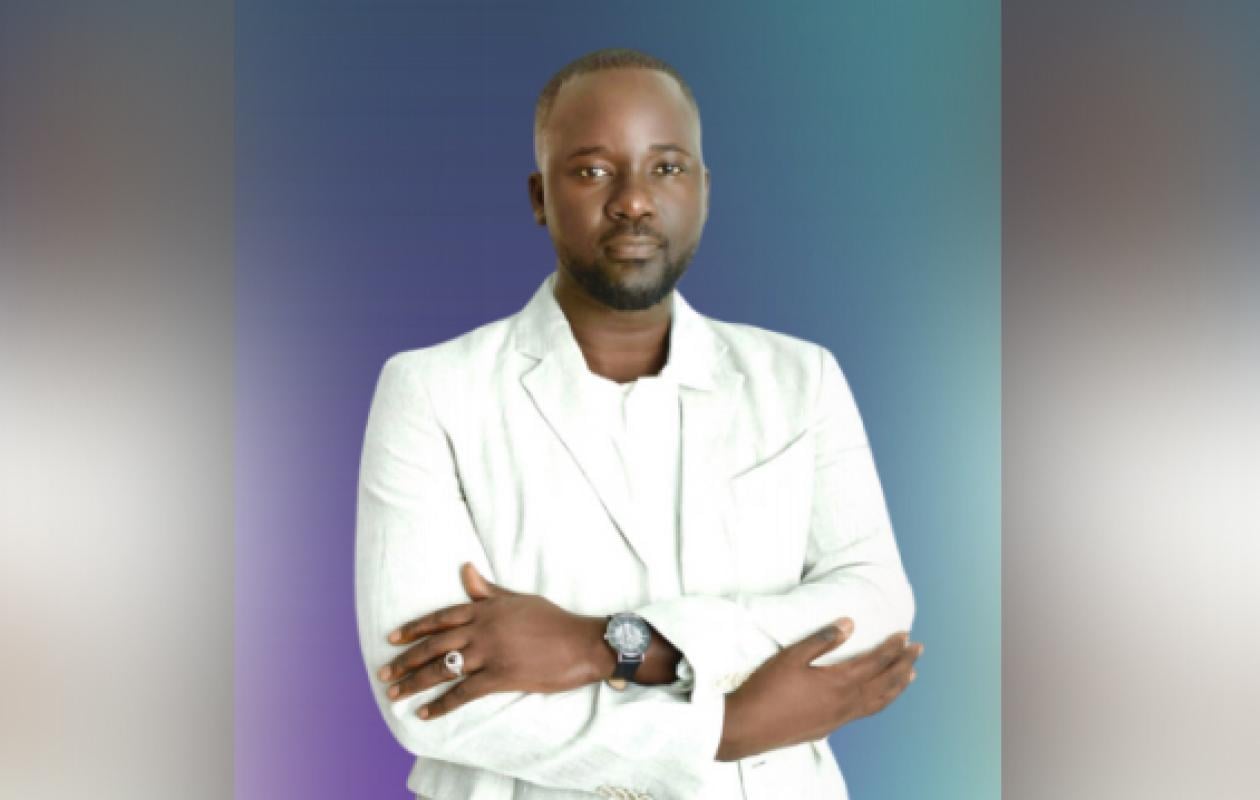
Autopsie du recrutement dans la fonction publique Sénégalaise (Par Erik FALL)
Recruitment in the Senegalese civil service has undergone significant changes in recent years, marked by both an increase in staff numbers and structural dysfunctions. According to a recent inventory, approximately 30,000 contract employees have been identified in the central administration, a figure revealed in December 2024 by the Minister of Public Service, Olivier Boucal. This excessive use of contracts, often initiated by ministries without legal authorization, creates precarious employment and highlights a lack of control over staffing levels. In local government, staff numbers doubled between 2013 and 2022, reaching 18,716 employees spread across 483 local authorities, with an average of 39 employees per entity. However, the distribution is uneven: 46% of employees are concentrated in Dakar, and 82% of local authorities have fewer than 50 employees. Demographically, 64% of local agents are men, and only 6% are tenured civil servants, the rest being mostly non-civil servant agents (41%) or contract agents (37%), which accentuates the precariousness.
Recruitment processes rely on various mechanisms: integration via the Committee for Admission to the Hierarchy of Allowances (CAHI), post-2014 hiring by decree, or private-law contracts. However, challenges persist, such as the mismatch between qualifications (often a high school diploma) and job requirements (favoring graduates of the ENA), delays in regularization, and limited use of competitive examinations. Among young graduates, job placement remains low and atypical, with unemployment at 38% for 15-35 year olds. The public sector, historically the main employer, has reduced its hiring since the 1980s due to budgetary constraints, prioritizing the education and health sectors (913 to 2,642 annual recruitments between 1996 and 2001). Precarious forms such as temporary workers (1,300 in 2003) or volunteering via the National Civic Service persist, without always leading to stable integration.
By 2025, the wage bill had reached alarming levels, prompting partners like the IMF to question the budget balance. Massive recruitment drives were announced, including 5,415 technical and interministerial positions, through a dedicated online application platform (PGDE), with an age limit of 35. Overall, the assessment reveals an outdated bureaucracy, procedural delays, regional inequalities, and a lack of relevant skills, all identified through national consultations for 2025. These factors underscore an urgent need for modernization to align human resources with administrative objectives.
Perspectives and reforms
The outlook for recruitment in the Senegalese public service is part of an ambitious transformation vision, aligned with the Senegal 2050 Vision, the Sustainable Development Goals (SDGs), and Agenda 2063. The National Public Service Transformation Agenda (2025-2029) proposes a structured framework for an agile, results-oriented, and citizen-centered service. In the area of human resources, reforms include the adoption of a new Civil Service Law, a Human Resources Management Policy with the widespread implementation of HR departments, a performance-based compensation overhaul, a National Continuing Professional Development Strategy, an Interministerial Job Directory (RIM), an Integrated Human Resources Management System (HRIS), and a performance-based evaluation system. These measures aim to motivate and adapt human capital, using indicators such as employee productivity and satisfaction.
For 2026, the government is imposing new rules: recruitment caps per ministry to control payroll costs, and complete digitalization of the process for real-time monitoring, detecting irregularities and overstaffing. Organizational modernization includes a Decentralization Charter, a legal framework for digitalization, a single online portal, and system interoperability. Transparency will be strengthened by a General Code of Ethics and Professional Conduct, a law on access to information, and a National Good Governance Strategy.
At the local level, the recommendations of the 2025 assessment emphasize the professionalization of human resources, with shared resources, increased training budgets (priorities: administrative and financial management, civil registration), and adaptation of organizational charts to local specificities. For young people, programs such as ANEJ and SCN will be strengthened to better align training with public needs. Oversight will be provided by a National Council for Modernization (CNMAP), a Central Reform Coordination Unit, and a Transformation Fund, with "quick wins" in 2025-2026 (new legislation, quality charter, etc.) and a phased approach extending to 2029. These initiatives, financed by the State, partners, and the private sector, promise a more inclusive, efficient, and ethical administration, reducing job insecurity and promoting equity.
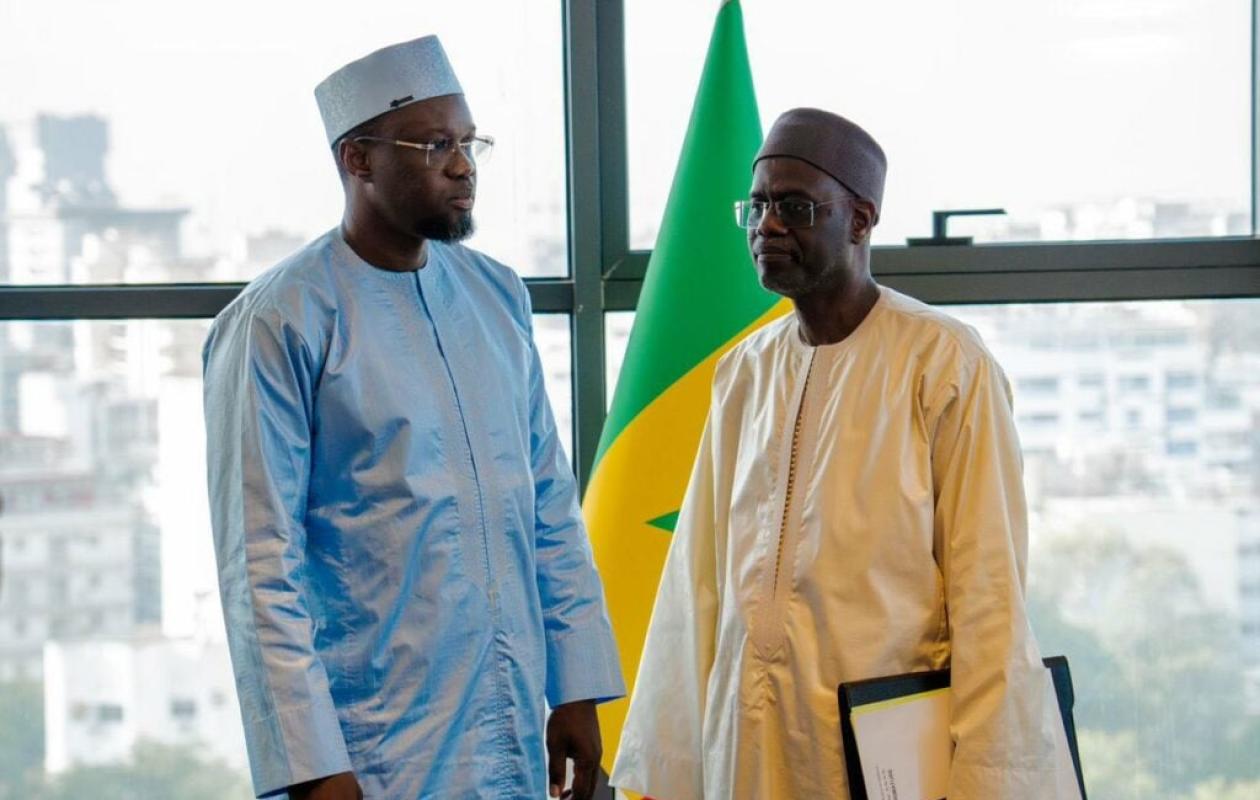
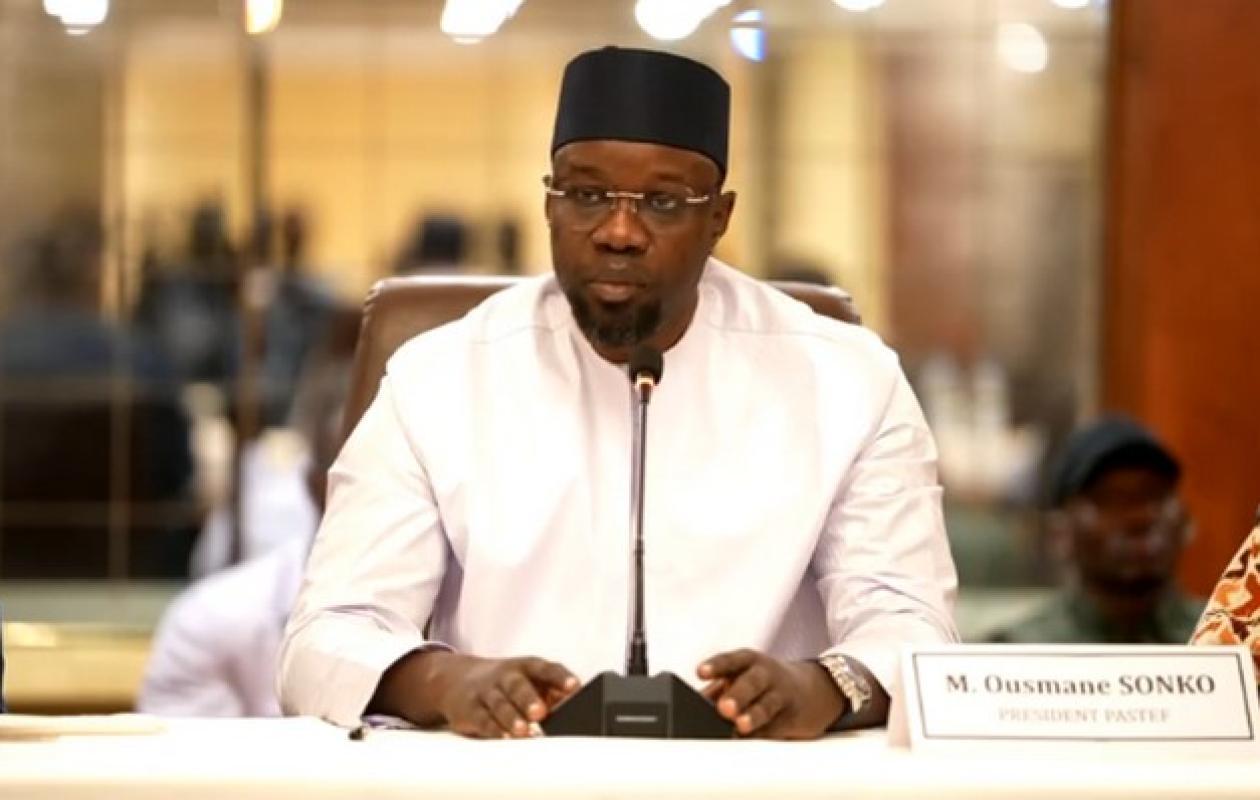
A frank assessment of recruitment in the Senegalese civil service reveals profound challenges: widespread job insecurity, marked regional inequalities, a mismatch between training and actual needs, and a strained wage bill. These findings, inherited from decades of sometimes improvised practices, call for an ambitious overhaul of the public service to make it more equitable, efficient, and resolutely citizen-focused. It is precisely with this in mind that the government launched a broad inclusive process in January 2025, beginning with the national consultations for public service reform initiated by Minister Olivier Boucal. This participatory movement continued with regional consultations in the country's 14 regions, involving public servants, local elected officials, civil society, unions, the private sector, youth, women, and the diaspora, culminating in their conclusion in Dakar in March 2025. These rich exchanges made it possible to gather hundreds of concrete proposals, directly informing the development of the National Agenda for the Transformation of the Public Service (2025-2029), officially presented in August 2025 to Prime Minister Ousmane Sonko.
This collective process, a true hallmark of open and responsible governance, forms the essential foundation for implementing the announced reforms: a new legal framework for the civil service, complete digitalization, effective human resource management, strengthened decentralization, and the fight against job insecurity. By restoring trust between the administration and its citizens, Senegal is laying the groundwork for a modern, agile, and inclusive administration, aligned with the Senegal 2050 Vision and capable of leading the country toward sovereign, equitable, and prosperous development.
To stimulate collective reflection, two key questions arise:
1. How can we ensure that the promised digitalization of recruitment and career management processes actually benefits candidates in the most remote regions, without exacerbating existing territorial inequalities?
2. To what extent can national and regional consultations be institutionalized as a permanent mechanism for dialogue and adjustment of public policies, in order to prevent reforms from remaining one-off projects without lasting ownership by agents and citizens?
Erik Fall
Expert in public management




![[EXCLUSIF] Réseau de voleurs démantelé à Colobane : 500 téléphones, 33 tablettes et des ordinateurs saisis par la SR et le GIGN, 23 arrestations](https://image.seneweb.com/content/news/2026-22-30//thumb_1260x800_6a1b6ac9bcdc7_zf1U3G3p2i.jpg)










Commentaires (4)
Sont ils concernes par l indemnite de logement.
La question relative à la situation des sénégalais, recrutés locaux dans les Ambassades de notre pays à travers le monde, reste aussi entière
Ils souffrent énormément, des sénégalais ayant les capacités, sont recrutés pour servir de trait d’union entre représentations sénégalaises et pays d’accueil, ceux-là, constituent-les oubliés du système.
Alors que l’on nous explique cette différence de traitement au sein de la même équipe, même armée diplomatique sénégalaise, exécutant les mêmes tâches et les mêmes horaires de travail et soumis aux mêmes conditions de vie et les mêmes réalités.
A ce que je sache, au-delà de la diplomatie politique et économique, la diplomatie sénégalaise gagnerait au traitement équitable et uniforme de tous les sénégalais travaillant dans sa diplomatie et que des mesures correctives, en ce sens, seront plus que nécessaires pour la bonne mise en œuvre de l’inclusion de la diaspora et d’une diplomatie innovante et accès sur son temps.
Participer à la Discussion
Règles de la communauté :
💡 Astuce : Utilisez des emojis depuis votre téléphone ou le module emoji ci-dessous. Cliquez sur GIF pour ajouter un GIF animé. Collez un lien X/Twitter, TikTok ou Instagram pour l'afficher automatiquement.