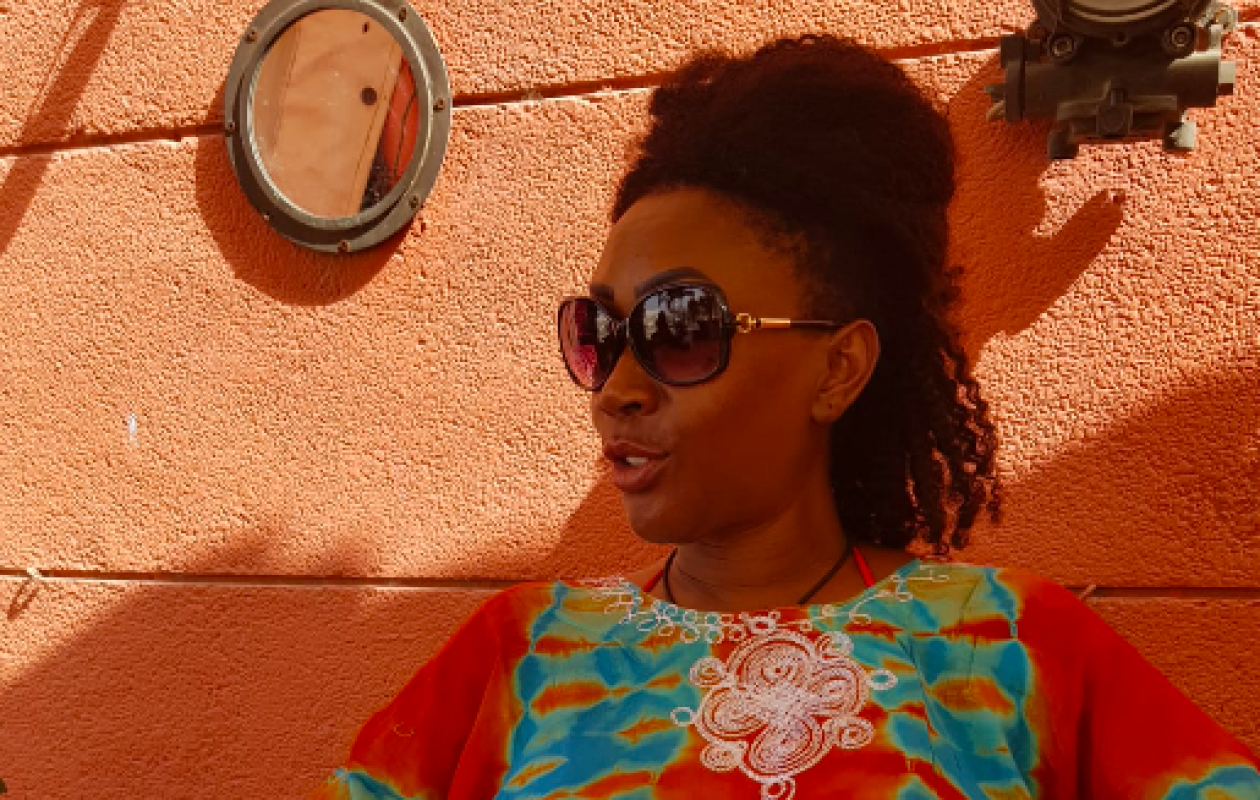
Diomaye-Sonko, le crash-test ! (Par Oumou WANE)
At the Grand Théâtre, on June 4th, everyone was thinking about Abdoulaye Wade. I, on the other hand, was watching Bassirou Diomaye Faye.
Everyone was singing the praises of the old lion of political change, the magnificent survivor of the long marches, the one who had waited twenty-six years for History to finally open its doors to him. There were the trappings of the Republic, the applause, the tributes, the solemn pronouncements, the grave faces, the cameras lined up like witnesses.
But behind Wade, there was Sonko. And behind Sonko, there was the State.
This is often how Senegal speaks. It never quite says what it means. It places a baobab tree before a storm. It summons the dead, the elders, the fathers, to speak to the living who are too agitated. It celebrates memory to settle the present.
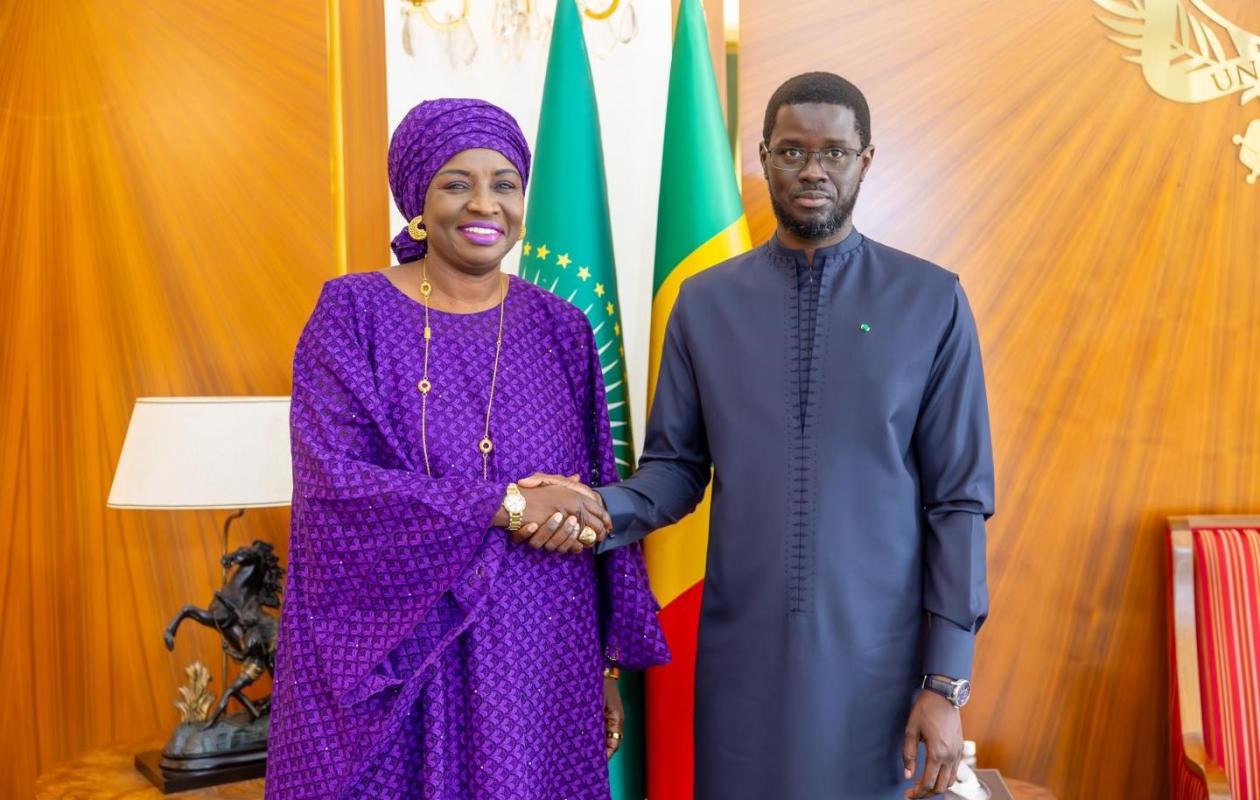
On that day, Bassirou Diomaye Faye was not only paying tribute to Abdoulaye Wade. He was reminding Ousmane Sonko that the Republic is not a matter of sentiment.
It is not a personal debt. It is not an extension of a party. It is not the moral spoils of a struggle.
Because that is now the heart of the matter. Not the injury of a man. Not the sensitivity of a leader. Not even the rift between two comrades in arms. The real political event unfolding before our eyes is more profound: for the first time since Pastef came to power, the state is attempting to distance itself from the movement that brought it to power.
And that kind of divorce is always violent.
All revolutionary movements eventually produce two men: one who wants to continue the fight, and one who must now govern.
The first still speaks to the people as if they were a marching crowd. The second speaks to the country as if it were a house that must be kept standing. The first needs enemies. The second discovers that the administration, finances, partners, markets, civil servants, families, farmers, taxi drivers, students, the sick, creditors, and the poor cannot be governed with slogans.
Power is not a platform. It is solitude.
And Diomaye, long presented as the heir, the one indebted, the provisional custodian of a destiny that did not entirely belong to him, seems to have understood this simple and terrible thing: one does not take the presidential oath by proxy.
The Cap Manuel protocol does not concern Senegalese people.
The Senegalese people did not elect a backroom pact. They did not elect a friendship. They did not elect an intimate loyalty, even one born of hardship, imprisonment, internal exile, and political persecution. They elected a president of the Republic.
And a president in Senegal cannot be a mere shadow of another man. He can be grateful. He cannot be a captive.
This is where the Sonko-Diomaye tragedy begins. Sonko embodied the fury of a people. Diomaye must now embody the continuity of a state. One built his power on rupture. The other is discovering that governing sometimes means protecting the country from those who claim to save it.
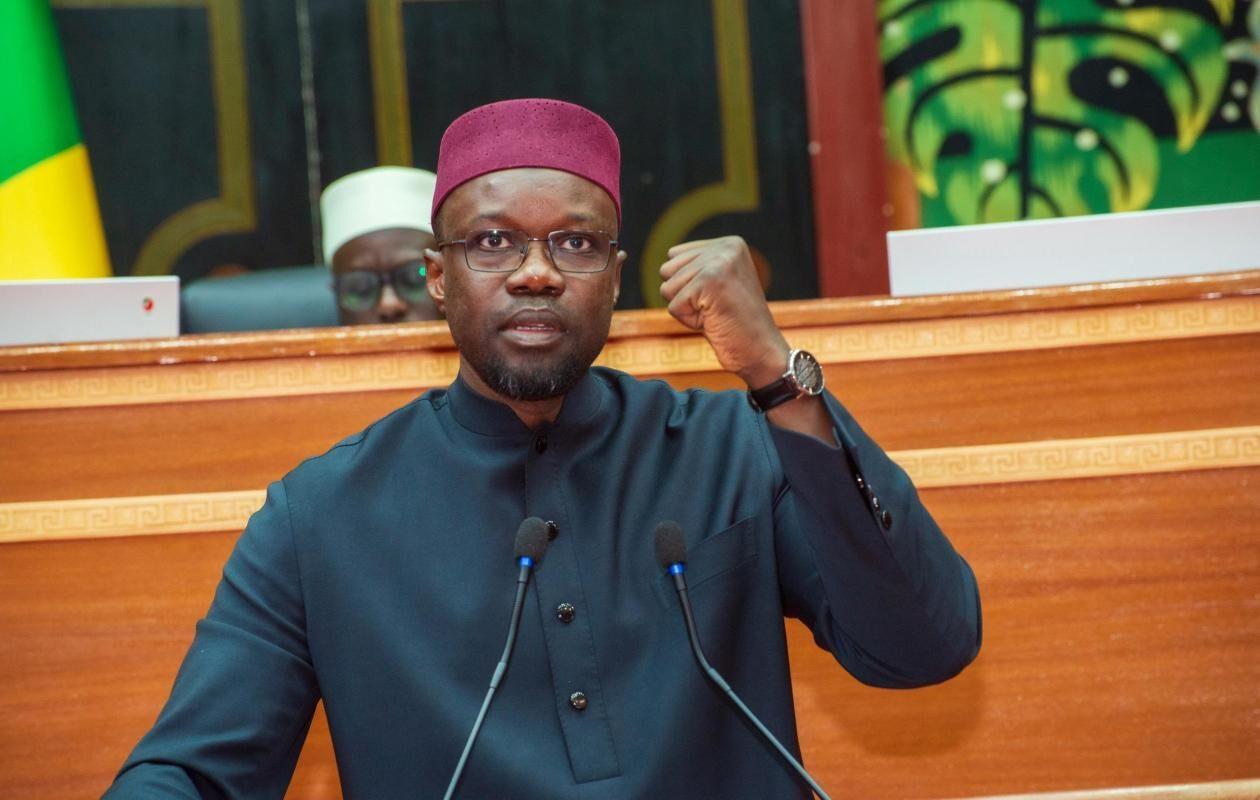
When Sonko says he could paralyze the administration, Senegal hears more than just an angry outburst. It hears the possible return of the “gatsa gatsa” (a term referring to a perceived threat to public opinion), no longer in the streets, but in the corridors of power. No longer directed at Macky Sall, but at the very man whom Pastef itself had brought to the presidency.
This is where the Republic becomes fragile. Very fragile.
Because an administration divided between pro-Sonko and pro-Diomaye factions is not a democratic administration. It is an administration caught in a war of loyalties. The case no longer progresses because it is just. It progresses according to which side is pushing it. The Director no longer decides based on the national interest. He waits for the signal. The civil servant no longer serves the State. He assesses the balance of power. The country doesn't suddenly slow down. It grinds to a halt through small acts of cowardice, self-serving caution, and tactical silences.
And in this silence, it's always the same people who pay. The people. Those who don't have air-conditioned living rooms. Those who don't negotiate with the IMF. Those who know neither Cap Manuel, nor backroom deals, nor the grudges of the top.
The one who only asks that the price of rice not rise, that the electricity holds, that the school works, that the hospital responds, that the roads are not just promises and that the country does not become the plaything of egos again.
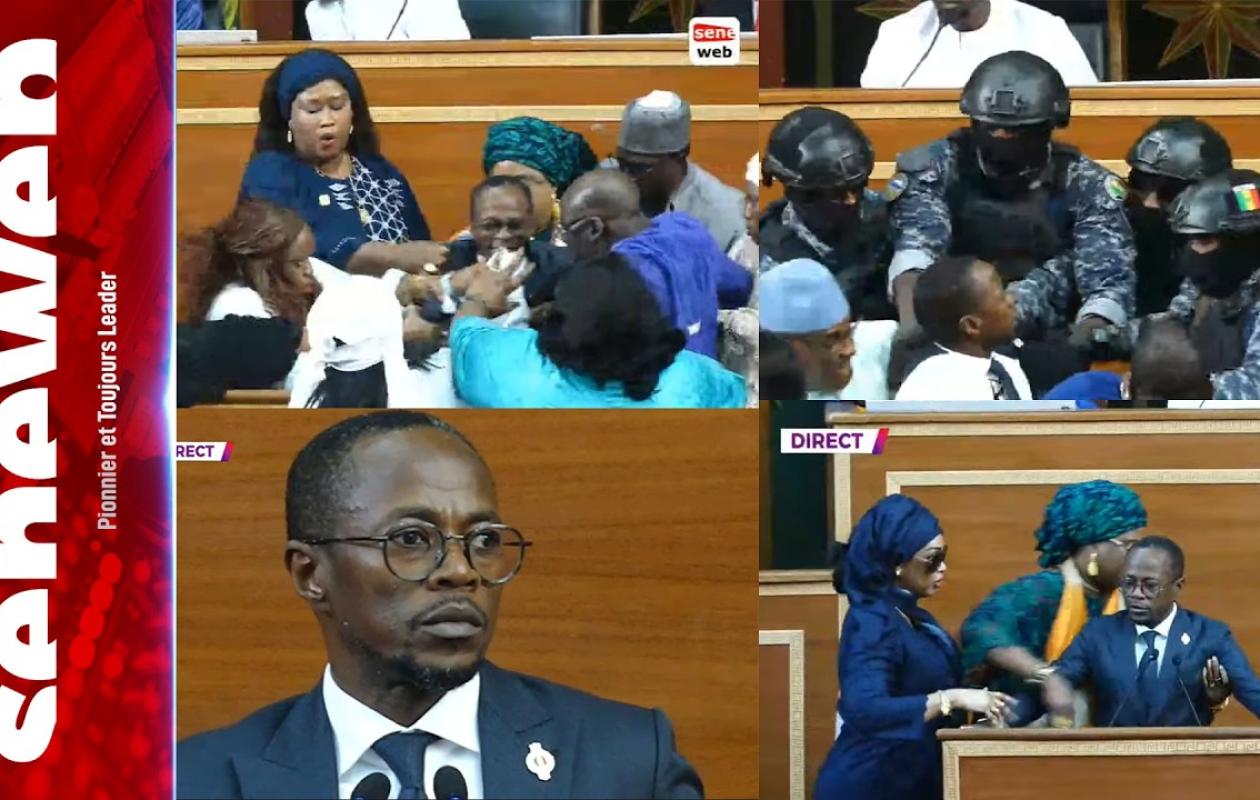
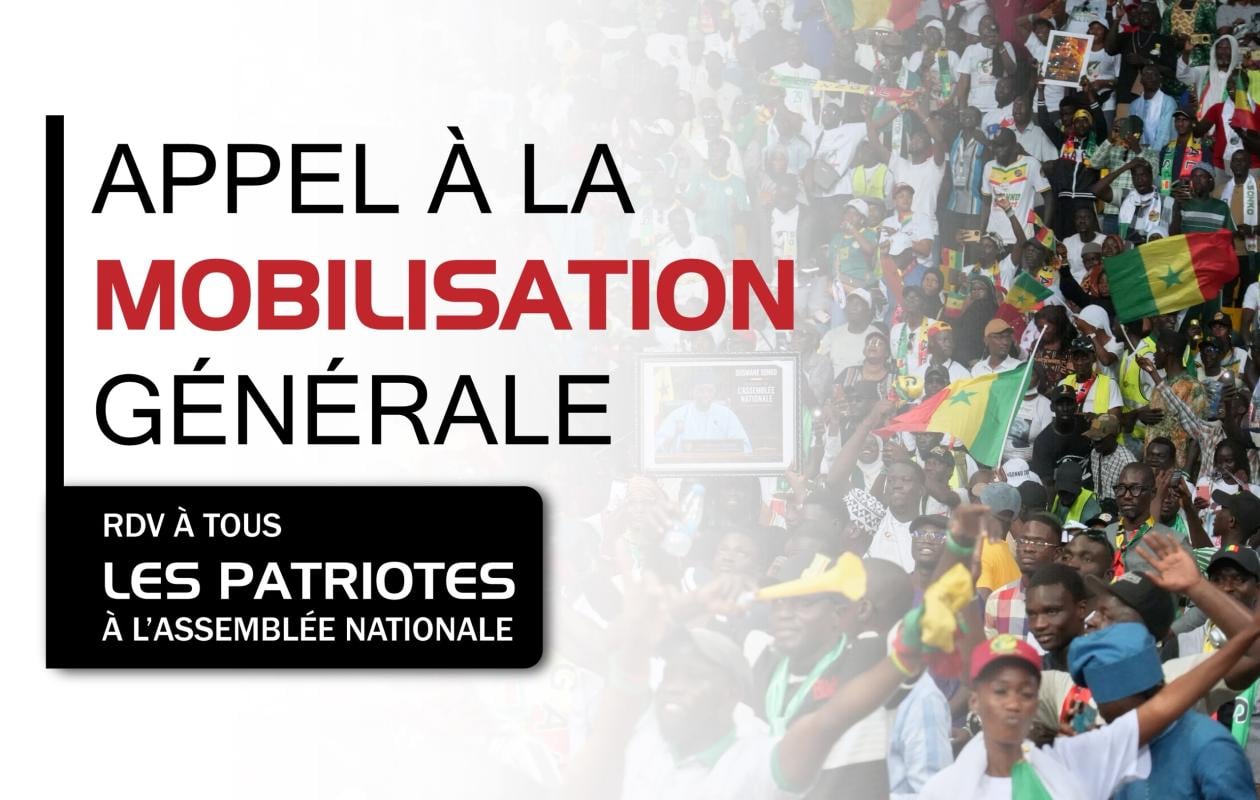
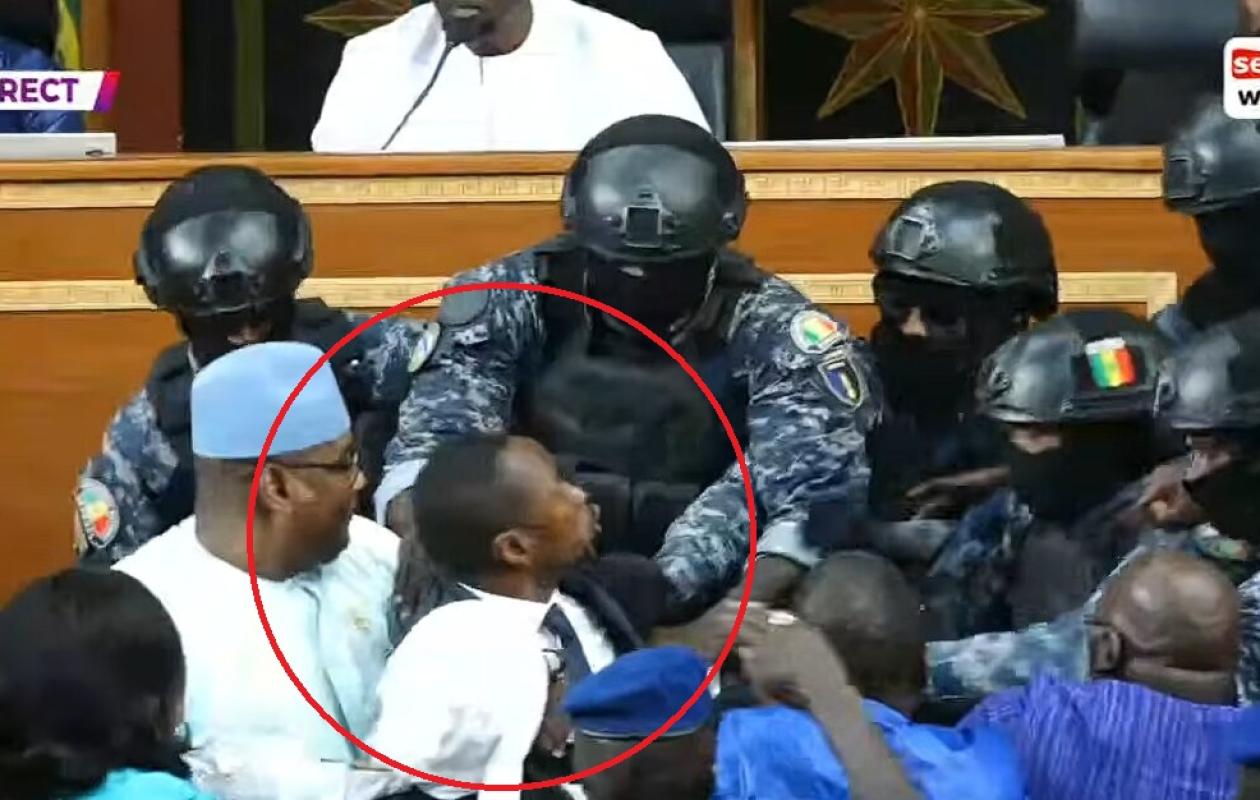
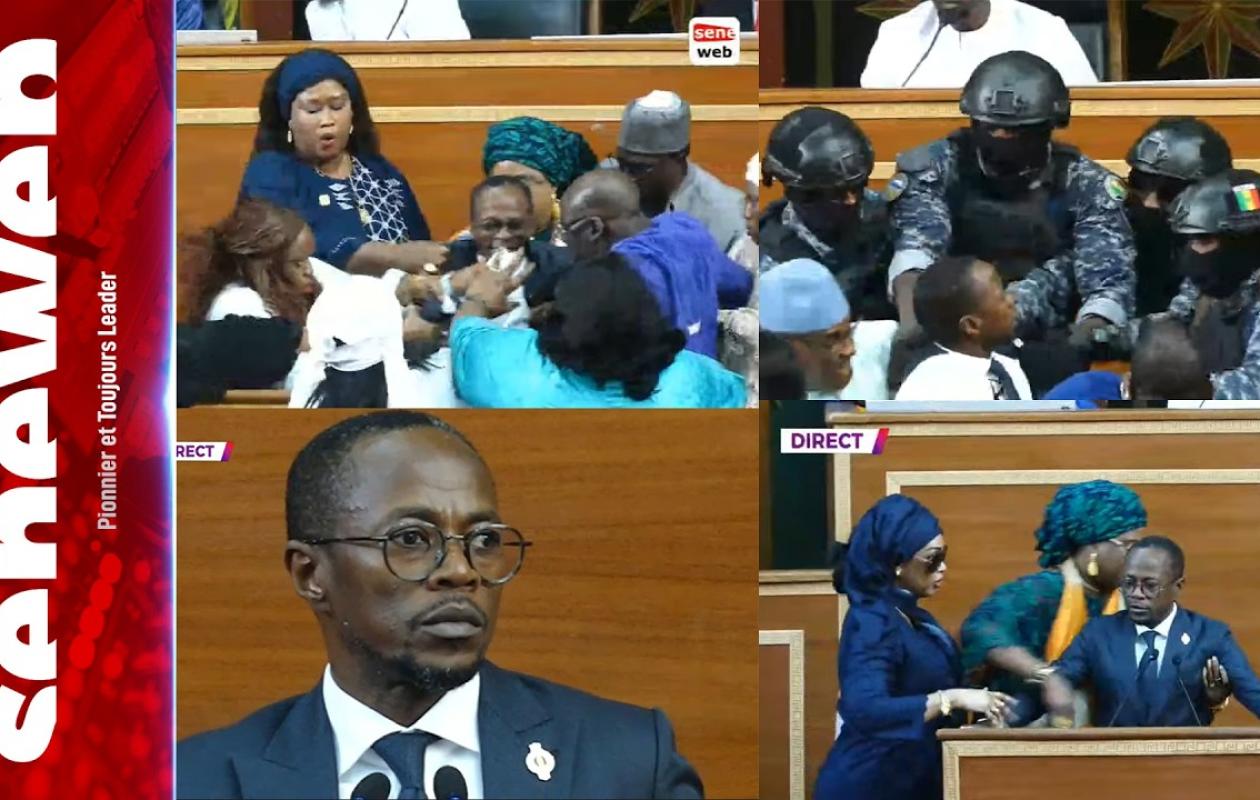
In this configuration, the National Assembly becomes more than an institution. It becomes a weapon. In Sonko's hands, it can be the noble locus of democratic oversight. It can also become the instrument of revenge. Everything will depend on what his camp chooses to deposit there: the demands of the Republic or the temptation of obstruction.
Senegal is experiencing these times. It has known Senghor and Dia. It has known Abdou Diouf and Wade. It has known Wade and Macky.
He has seen loyalties turn against him, heirs break free, fathers refuse to grow old, and sons discover that the throne cannot be shared for long.
But this time, something is more dangerous. Because the rift doesn't just run between two men. It runs through a ruling party. It runs through the administration. It runs through the parliamentary majority. It runs through social media, this new public square where the griots have changed their drums but not always their wisdom.
Diomaye shattered Pastef by creating his own coalition. Sonko responded by reminding everyone that Pastef was not just an electoral memory, but a political machine still standing, disciplined, with a majority, capable of exerting influence, refusing, blocking, and forcing change.
The country thus finds itself with two competing legitimacies: the constitutional legitimacy of the president and the activist legitimacy of the historical leader. But a republic cannot long survive with two suns. It eventually burns out.
The paradox is cruel: Sonko, who fought against the seizure of power, now risks repeating the same act in another form. Not by occupying the palace, but by refusing to allow the one who occupies it to govern fully. Not by abolishing the institutions, but by encircling them. Not by denying the people, but by speaking on their behalf until their voices are stifled.
And Diomaye, for his part, is now playing his true role as president. Not the one in March 2024. This one. The one where it is no longer enough to be the man chosen by History, but the man capable of resisting it.
His speech about Wade was therefore anything but nostalgic. He spoke of patience versus haste, of respect for one's opponent versus political hatred, of the grandeur of political change versus the temptation of revenge. He said, without naming him, that today's adversary is not tomorrow's enemy. Above all, he said that Senegal must never become collateral damage in a quarrel between brothers.
And yet, a question remains. What remains of a project when its two faces no longer look in the same direction? What remains of a revolution when it discovers that the State is heavier than anger?
What remains of a party when its historical leader and its president no longer argue over a political line, but over the right to say: “I am the people”?
By 2029, this fracture could open up a scene that many are not yet ready to witness.
A third party, whether his name is Macky Sall, Karim Wade, or someone else, will watch this war with the calm of a ghost. He will know that a divided camp doesn't just lose votes. It loses its destiny. Senegal must therefore prepare for the worst and hope for the best.
The best thing would be for Diomaye to understand that authority is not proclaimed, it is proven; and for Sonko to understand that you do not liberate a people only to then suspend their state at the mercy of their anger.
Oumou Wane is the president of Africa7









Commentaires (17)
Participer à la Discussion
Règles de la communauté :
💡 Astuce : Utilisez des emojis depuis votre téléphone ou le module emoji ci-dessous. Cliquez sur GIF pour ajouter un GIF animé. Collez un lien X/Twitter, TikTok ou Instagram pour l'afficher automatiquement.