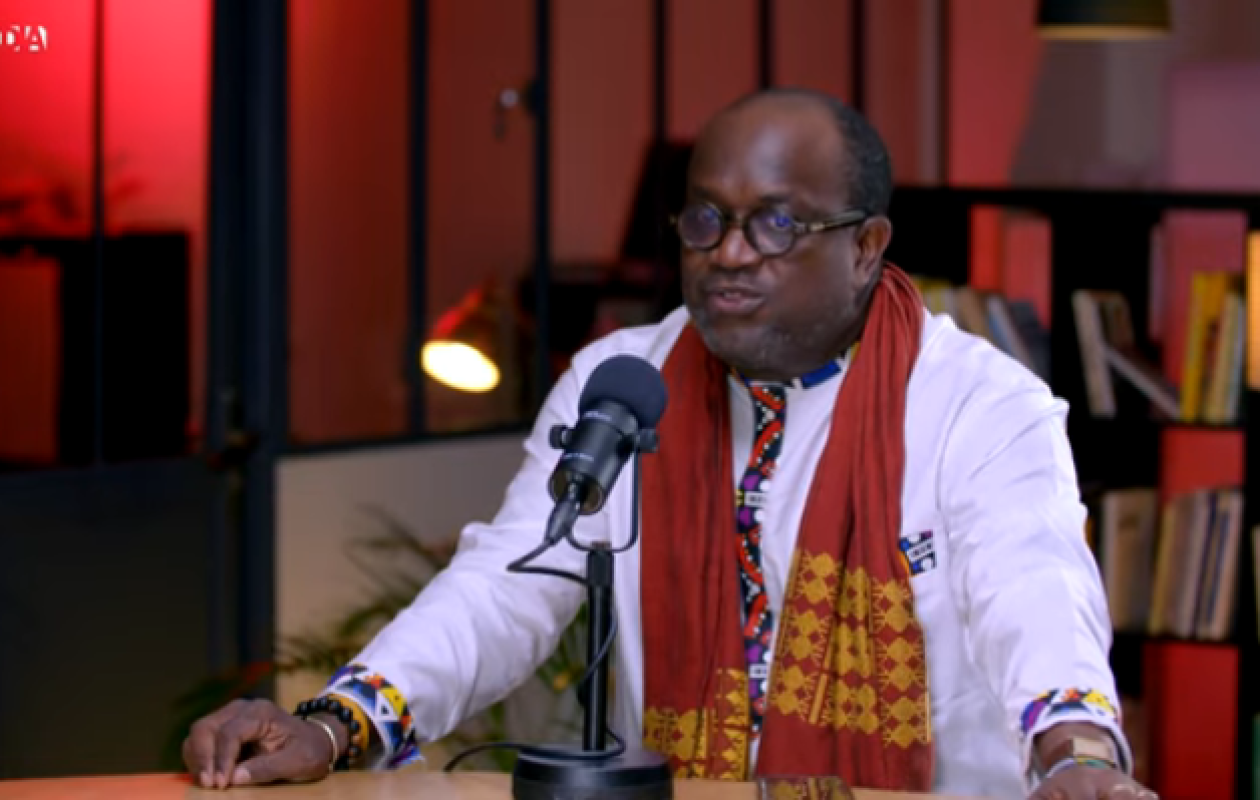
"Justice ou vengeance ? Le faux débat des ralliés de la vingt-cinquième heure" (Par Félix Atchade)
They were absent during the turmoil, silent during the repression, cautious when courage was needed. And now here they are, last-minute converts, deserters from the patriotic camp at the height of the storm, now gathered in a motley alliance to tell the government how to govern Senegal. They are the new "Situationists": those who invite themselves to victory without having fought a battle. Among them are a minister at the head of a micro-party, a few defectors from the fallen regime, and former opposition figures recycled as moralizers. Their refrain is familiar: "You cannot govern through hatred and vengeance."
But who has spoken of hatred? Who is preaching revenge? Certainly not those who have carried the democratic struggle to prison and to death.
Justice is not revenge
The Senegalese people have never been a people of hatred. They have always known how to distinguish between justice and vengeance, between forgiveness and forgetting. What the people ask for is the truth; what they demand is justice. For there was a president, Macky Sall, who attempted a solitary escape into dictatorship, marked by thousands of arrests, dozens of deaths, and a state of terror that lasted from 2021 to 2024. Doing justice to those still grieving this terror is not giving in to hatred: it is refusing national amnesia. It is affirming that the Republic does not have a short memory and that forgiveness, to be sincere, first requires acknowledging the crime.
Senegal is a Republic, with a Constitution that enshrines the separation of powers. The President of the Republic is, undoubtedly, the head of the executive branch. But the current political situation presents an unprecedented reality: the Prime Minister, Ousmane Sonko, leads the country's largest party, PASTEF, which enjoys a large parliamentary majority. In a vibrant democracy, institutional reality cannot ignore the balance of political power. The government is not a court of devotion; it is the expression of the popular will, that of a people who voted overwhelmingly for Bassirou Diomaye Faye based on a clear agreement: "Sonko is Diomaye, Diomaye is Sonko."
This formula is not a sentimental slogan: it expresses the continuity of a project, the unity of a hope. One governs, the other drives, but the aim remains the same: to rebuild a sovereign, just and transparent state.
The opportunists of reconciliation
What is being asked of the government is not to listen to the whining of opportunists, but to fulfill the hopes of the Senegalese people. To revive the economy, to be accountable, to restore justice, to clean up the civil service, to restore national dignity. Those who speak of "reconciliation" would, in reality, like to reinstate the old order. They confuse civil peace with the continuity of the system. They would like us to turn the page before we've even read it. But you don't reconcile a people with its oppressors: you reconcile it with its own sovereignty.
Let's be clear: the call to "forget" is the latest trick of those who fear the truth will come to light. Governing is not about appeasing the consciences of the guilty; it's about healing the wounds of the victims.
And in this task, Prime Minister Ousmane Sonko embodies what Senegalese politics has not seen for a long time: unwavering commitment to a cause. He has not changed sides, nor his rhetoric, nor his allies. He acts with consistency, sometimes with a firm hand, but always with the conviction that history is not written in the drawing rooms of late converts.




















Commentaires (13)
JAJEFETI
Atchadé molléne guina nékh wolof, essayer de casser du sucre derrière son dos.
Les petits, qui désignent qui est sénégalais ou pas, votre niveau est bas. EN BAS!!!
Participer à la Discussion
Règles de la communauté :
💡 Astuce : Utilisez des emojis depuis votre téléphone ou le module emoji ci-dessous. Cliquez sur GIF pour ajouter un GIF animé. Collez un lien X/Twitter, TikTok ou Instagram pour l'afficher automatiquement.