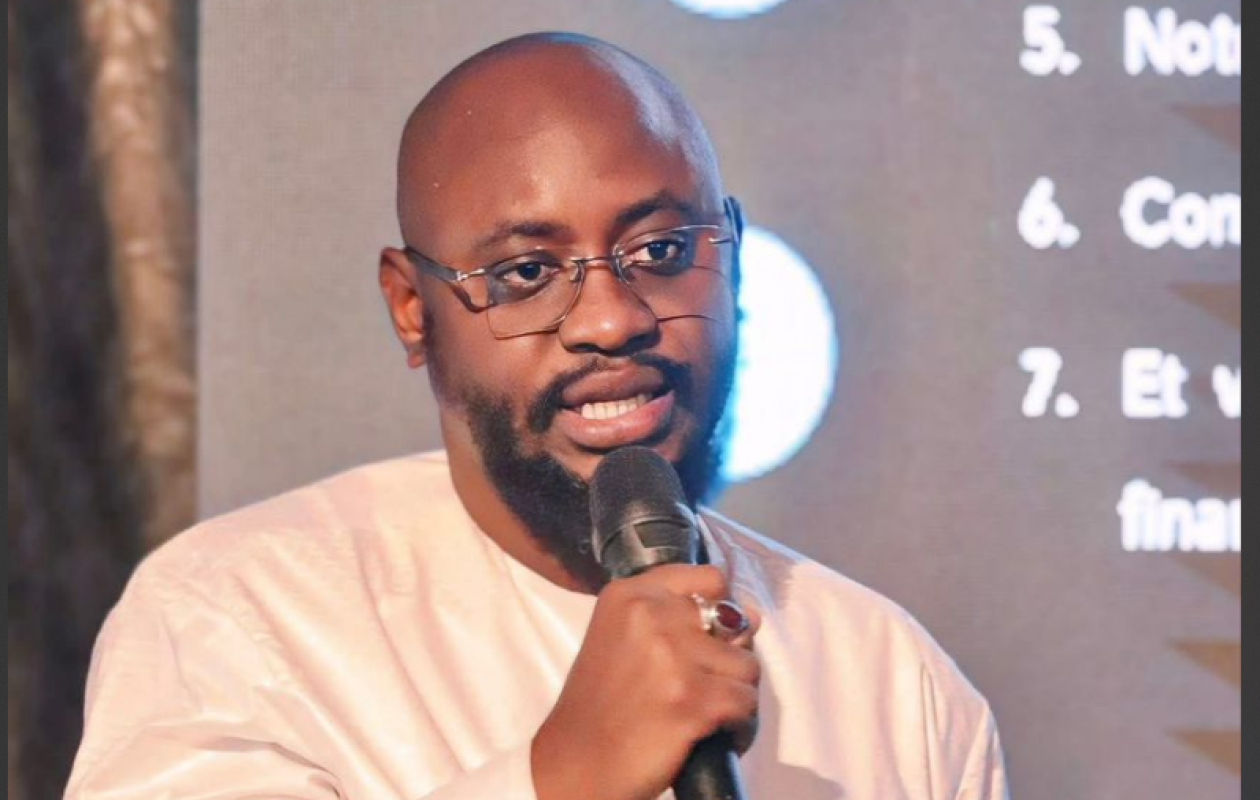
La Malédiction Noire : l’Afrique est-elle vouée à repousser la démocratie ?
In a world where human freedoms have steadily expanded, where democracy has become an internalized heritage to the point of shaping the most ordinary gestures of collective life, the West seems to evolve with an almost natural fluidity. There, the very idea of a coup is unthinkable, not out of excessive naiveté, but because no conscience dares to impose its worldview by force. Everyone knows, with maturity, that their freedom ends where that of others begins.
Thus, when a citizen holds an opinion, they defend it within legitimate forums—in the spaces of debate, persuasion, and voting. And when the verdict of the ballot box is delivered, the minority accepts it philosophically: the majority will prevails, and the common good triumphs over individual passions. Almost never do we see the subversive winds that elsewhere seek to undermine popular sovereignty arise.
But in Africa? Oh, what can I say… From the very earliest structures of life, within the family circle itself, a different logic prevails. The eldest dictates the rules, the father sets the course, and authority is exercised, if necessary, through coercion, sometimes even through recourse to mysticism. This pervasive violence, this tacit pressure, becomes the pulse of society and eventually reverberates all the way to the parliament, to the highest echelons of the state.
The law of the strongest, sovereign and fierce, leaves its mark. The people yearn for one thing, their leaders for another, and the army, in a now familiar cacophony, intervenes to proclaim its own truth. Then come the consequences: coups, transitions, broken promises, and then, relentlessly, the repetition of the same cycle. A man in arms becomes leader, forms a new guard, the opposition is silenced and seeks refuge elsewhere to ignite, in exile, the flames of discord. Meanwhile, the essential crumbles: five years are spent trying to retain power instead of consolidating purchasing power.
And when the spiral tightens, the exhausted people finally rise up in turn, overturning the disorderly order imposed by both the supporters of authoritarianism and those of anarchy.
So, inevitably, a painful question arises:
Are we cursed? Are we, by nature, anti-democratic? Are we condemned to eternally repeat this cyclical disorder that plagues our nations and shatters our hopes?
Are we prisoners of a historical, cultural, spiritual conditioning that hinders our progress towards a just and harmonious organization?
I leave it to each individual to judge for themselves.
But perhaps Africa, far from being cursed, is simply in search of a new narrative — a narrative where authority no longer humiliates, where force no longer prevails over law, and where democracy is no longer a borrowed word, but an inhabited value.
A story where we finally decide to learn to govern ourselves without dominating ourselves.
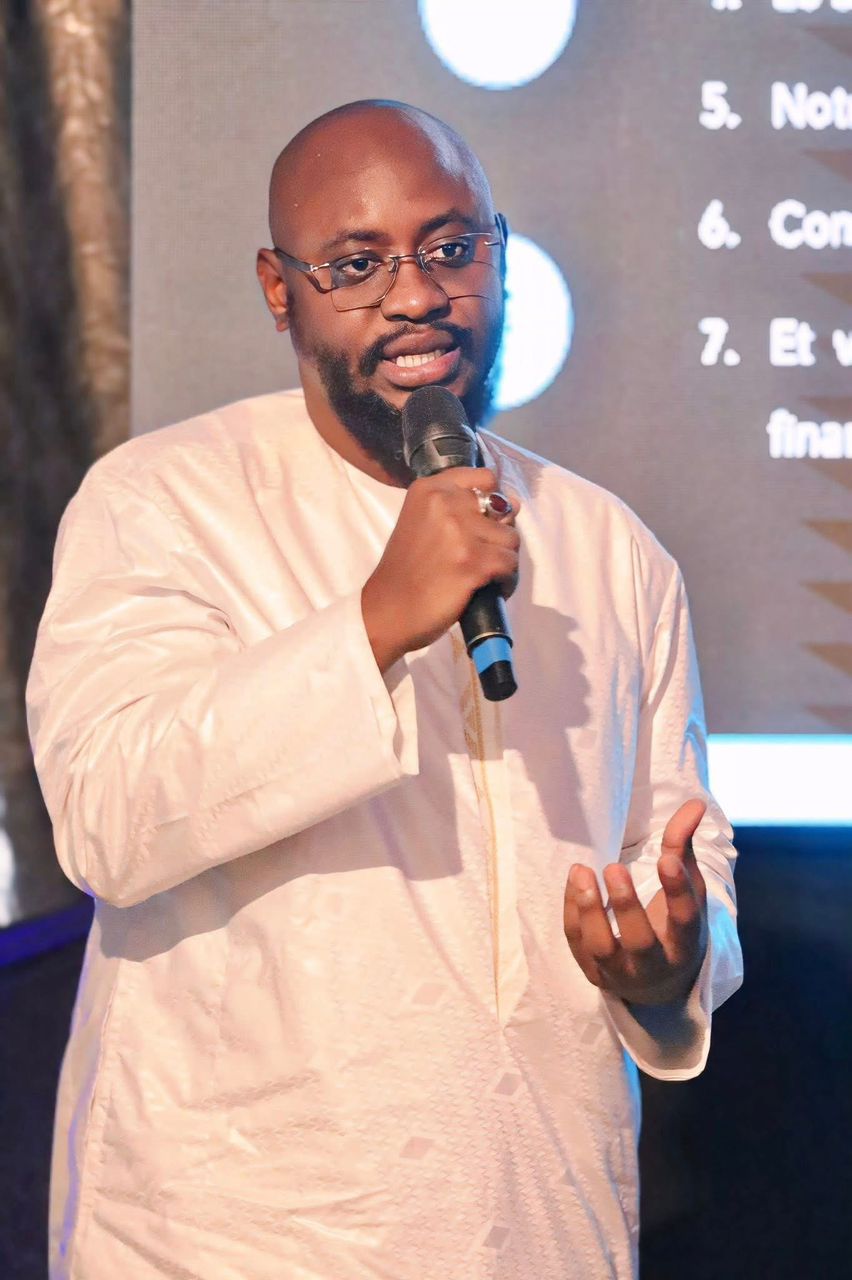
Jules Aloïse Prospère Faye
President of the Patriotic Movement for the Economic Development of Senegal.
Managing Director Strategia Africa



![[Exclusif] Affaire Pape Cheikh Diallo : Le malaise et les confidences d'Oustaz Modou Fall sur Seneweb](https://image.seneweb.com/content/news/2026-19-10//thumb_1260x800_6a00fd377c023_TunhwxZa5e.jpg)









Commentaires (4)
De l esclavage à la colonisation nous africains nous avons une part de responsabilité
C’est vraiment dommage pour l’Afrique
Seneweb svp il noks faut de plus en plus de contenu comme
Participer à la Discussion
Règles de la communauté :
💡 Astuce : Utilisez des emojis depuis votre téléphone ou le module emoji ci-dessous. Cliquez sur GIF pour ajouter un GIF animé. Collez un lien X/Twitter, TikTok ou Instagram pour l'afficher automatiquement.