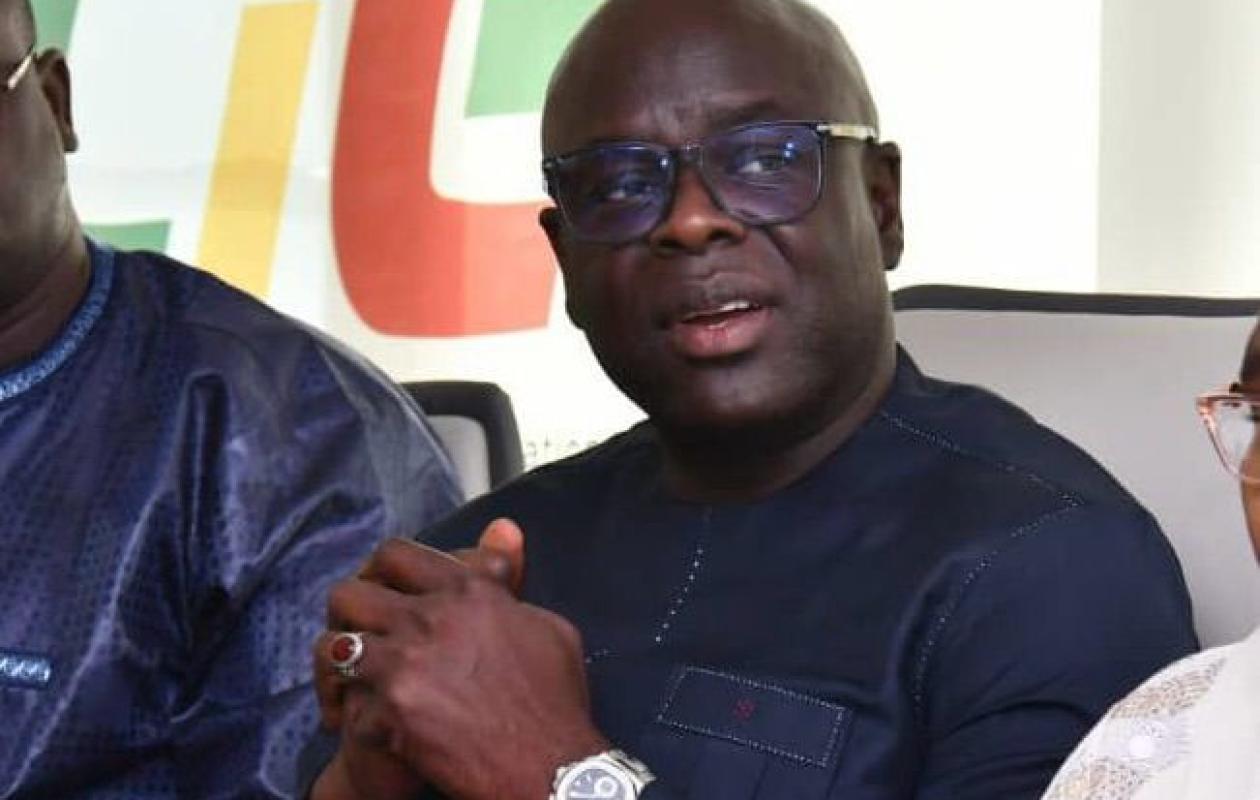
La métamorphose du pouvoir : du projet du peuple à son reniement (Par Abdoulaye DIENG)
Bassirou Diomaye Faye was elected President of the Republic of Senegal under exceptional circumstances, but with undeniable democratic clarity. The people's choice was clear, overwhelming, and deliberate. The Senegalese people embraced a specific political project, championed by a structured party, embodied by a clear program and symbolized during the campaign by the broom: accountability, justice for the martyrs, an end to impunity, and a profound reform of the justice system, long a fragile link in our democracy and too often manipulated by political power.
After the election, the people waited. Calmly. With dignity. Not for spectacular or immediate results, but for actions in accordance with the given word, clear signals, a perceptible continuity between the mandate entrusted and the exercise of power.
Very quickly, however, a sense of unease set in. Officially, the President relinquished his political responsibilities in accordance with his party's internal rules. This choice, taken in isolation, could be understood. But in reality, it was accompanied by a broader estrangement. A gradual distance grew, not only from the party, but above all from the political project that had garnered popular support and legitimized the election.
Faced with this development, the Prime Minister, party leader and principal architect of the project, attempted to preserve the initial connection and coherence. He raised the alarm, not out of political calculation, but out of political responsibility. For when a president deviates from the project that inspired him, it is not merely an internal disagreement that emerges: it is the people themselves who find themselves alienated.
At this point, one reality deserves to be examined with lucidity. The presidential office is, by its very nature, a formidable power. It elevates, but it can also isolate. It imposes a verticality, a solemnity, a protocol which, if not constantly re-examined, end up absorbing the individual and diminishing the meaning of the initial struggle. It is this gradual transformation that we observe when the symbolic weight of the office takes precedence over fidelity to the popular mandate—what we might call the obsession with the presidential collar.
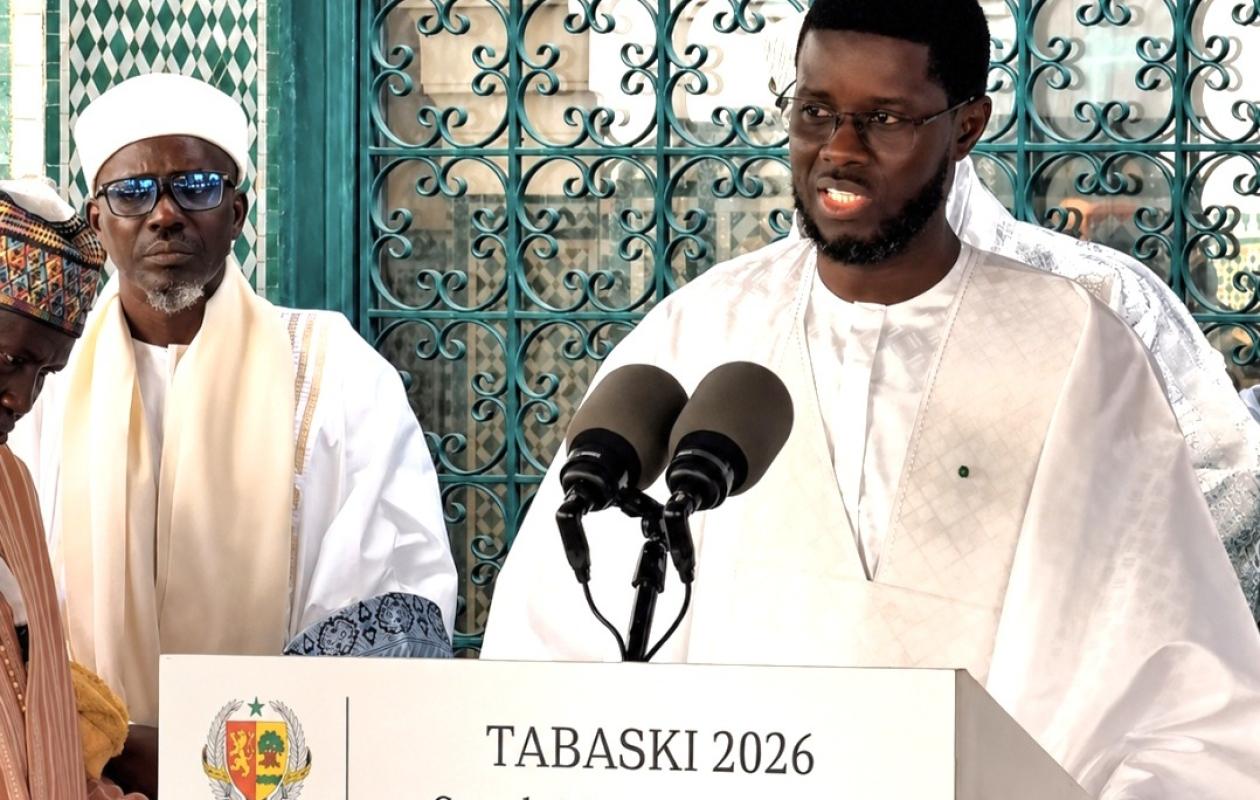
It is in this context that a politically significant event occurs: the appropriation by the President of the Diomaye coalition, even though he holds neither its political leadership nor its statutory legitimacy, being now merely an activist and officially removed from partisan activity. This gesture, beyond its formal aspect, reveals a worrying confusion between institutional function and political authority, between state power and a collective project.
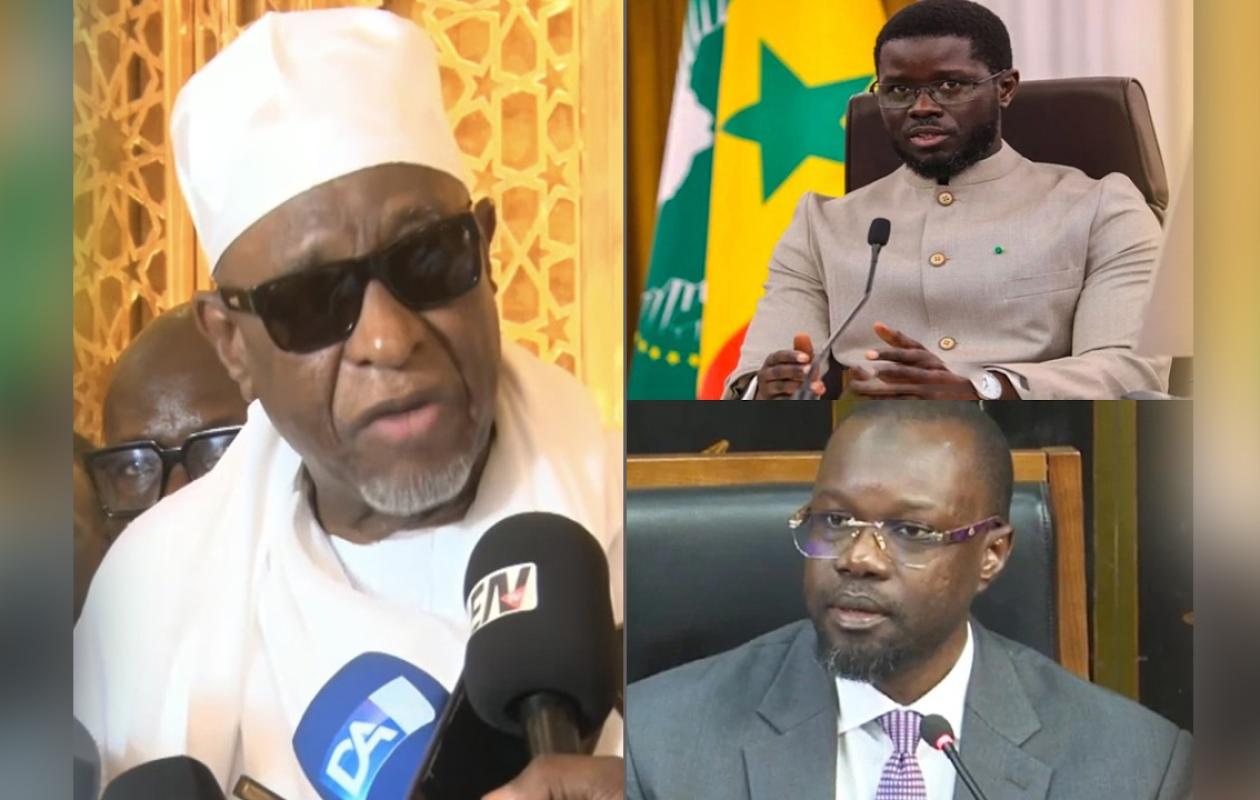
Today, the country is experiencing a period of palpable tension at the highest levels of government. Two key figures are operating in an atmosphere of simmering mistrust. The Prime Minister is raising the alarm and calling for action to reaffirm the spirit of the initial struggle. The President, for his part, is taking action within the scope of his prerogatives. But the coexistence of these two dynamics is producing a worrying effect: an impression of instability and a weakening of public authority, in a national context that, on the contrary, demands clarity, stability, and a strong direction.
When authority falters, the consequences quickly become apparent. Actors once thought to be permanently marginalized re-enter the public sphere. Networks of the old regime reorganize. Certain practices thought to be a thing of the past resurface. At the same time, the momentum for accountability slows, judicial reforms are slow to materialize, and the families of martyrs still await responses commensurate with the commitments made.
A heavy, almost suffocating feeling then settled over the country: that of an unfinished battle, a suspended promise, and a growing gap between the initial hope and the political reality.
It is becoming necessary to examine this situation with clarity and responsibility. What is unfolding in Senegal today is politically serious, democratically sensitive, and morally troubling. A tendency we thought had been overcome is resurfacing: the temptation to relegate the popular will to the background once the test of the ballot box has been passed.
However, in a democracy, electoral legitimacy is not sufficient in itself. It requires a long-term commitment. Imposing a direction on a nation that it has not explicitly chosen, even under the guise of institutional responsibility, weakens the bond of trust and undermines the very meaning of the mandate.
Any transformation of power that occurs without popular support and breaks with the initial plan inevitably exposes that power to an erosion of its legitimacy. Political history is consistent: when power distances itself from its source, it gradually loses its moral authority.
A power that loses this essential link with the people does not always collapse abruptly. But it weakens. Slowly. Surely.
Abdoulaye Dieng, Entrepreneur


![[EXCLUSIF] Le lutteur Ama Baldé arrêté par la BR de Keur Massar](https://image.seneweb.com/content/news/2026-22-27//thumb_1260x800_6a174f4ee60cb_SOgkg3Pd2C.png)








Commentaires (5)
Il avait sa coalition et on veut que tout cela soit raser alors que nous sommes en politique.
Sonko est ineligible et Diomay deja président peut bien souhaiter un second mandat parce que la loi ne le lui interdit pas.
Les pastéfiens n ont qu a se soumettre a la volonté divine et le soutenir puisse qu il reste leur seule chance pour rester au pouvoir en 2029.
Ceux qui ont deja compris se rangent deja et les irréfléchi auront tort de l avoir sous estimé. Mieux sans un veritable concurent, les sénégalais peuvent bien le réélire.
Il n'a pas eu à s'éloigner du projet Pastef qui "devait" développer reewmi. Celui-là n'existe pas. Sonko à eu et a toujours le pouvoir pour agir ,mais ses capacités sont limités. Bou leen ko seuff Diomaye, en tout cas les responsabilités et les échecs, que vous avouez, sont partagées.
Les gars sont tous nuls. Toi-même Niang, tu es nul. A moins que propagande bi eupp la doole.
En tout cas, vous avouez que depuis 2 ans, li niou kharoon ci yeen ,li ngueen doon woote, amoul. AMELIORER wou leen touss.
Sonko, Président, dou yookkou dara lou signicatif par rapport à Sonko hyper-Premier ministre avec prérogatives de Président.
Ne nous endormez pas , ne nou enfumez pas waay !
Participer à la Discussion
Règles de la communauté :
💡 Astuce : Utilisez des emojis depuis votre téléphone ou le module emoji ci-dessous. Cliquez sur GIF pour ajouter un GIF animé. Collez un lien X/Twitter, TikTok ou Instagram pour l'afficher automatiquement.