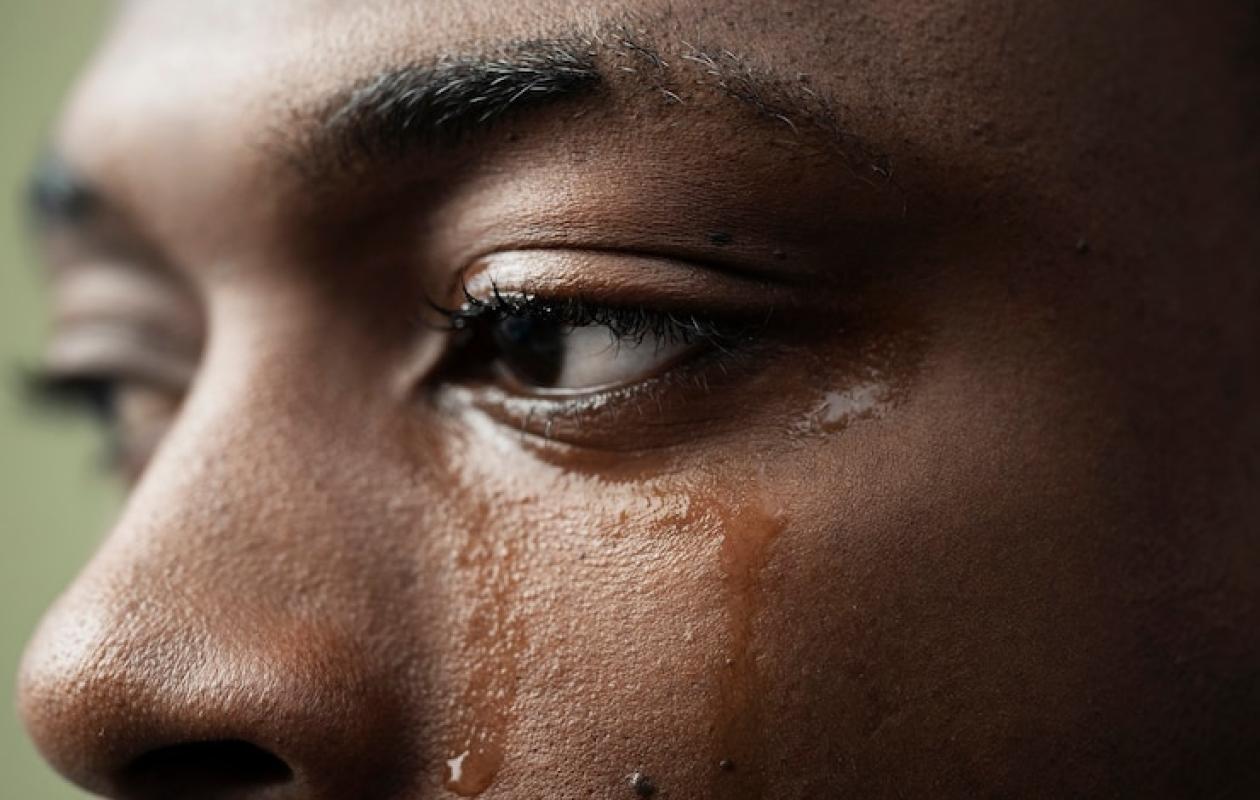
Pleurer au Sénégal : pourquoi les larmes des hommes sont-elles jugées ? (Par Adama Sy)
In Senegal, men are often seen as rocks, unshakeable pillars, expected to remain impervious to pain or visible emotion. In this social norm, crying becomes almost taboo for men, seen as a sign of weakness.
A man who cries quickly exposes himself to judgment. “Khana do gor Yalla?” (“Aren’t you a real man?”) sums up the expectation of virility and emotional restraint imposed on Senegalese men. Conversely, a woman’s tears are considered normal, even natural, reflecting a deeply rooted gender distinction.
Yet emotions are not gendered; they are human. Crying, far from being a sign of weakness or lack of courage, is a legitimate way to express inner pain, shock, intense joy, frustration, or even a romantic "goumin" like divorce. Whether at a funeral, a wedding, a baptism, in the heat of anger, or when faced with a surprise, men often cry in secret, for fear of social scrutiny.
Senegalese society would benefit from breaking down these gender stereotypes that confine men to a role of impassivity. Recognizing and expressing one's emotions demonstrates emotional intelligence, not fragility. Crying does not diminish a man's dignity or strength; it reveals his humanity.

















Commentaires (10)
Je prends la première option lol
Mieux pour tous.
SalamB
Participer à la Discussion
Règles de la communauté :
💡 Astuce : Utilisez des emojis depuis votre téléphone ou le module emoji ci-dessous. Cliquez sur GIF pour ajouter un GIF animé. Collez un lien X/Twitter, TikTok ou Instagram pour l'afficher automatiquement.