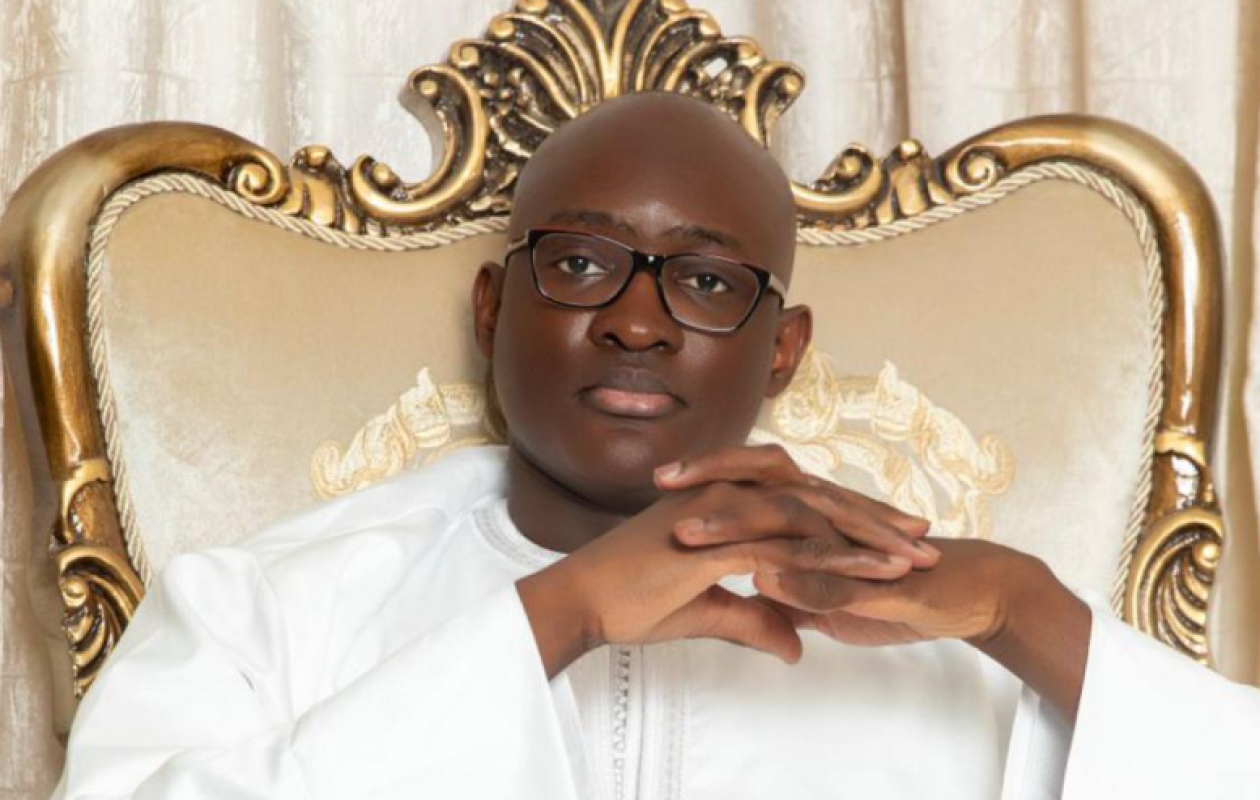
Quand les architectes du changement se déchirent : le Sénégal face à son plus grand défi (Par Dr Cheikhabdou Lahad MBACKE)
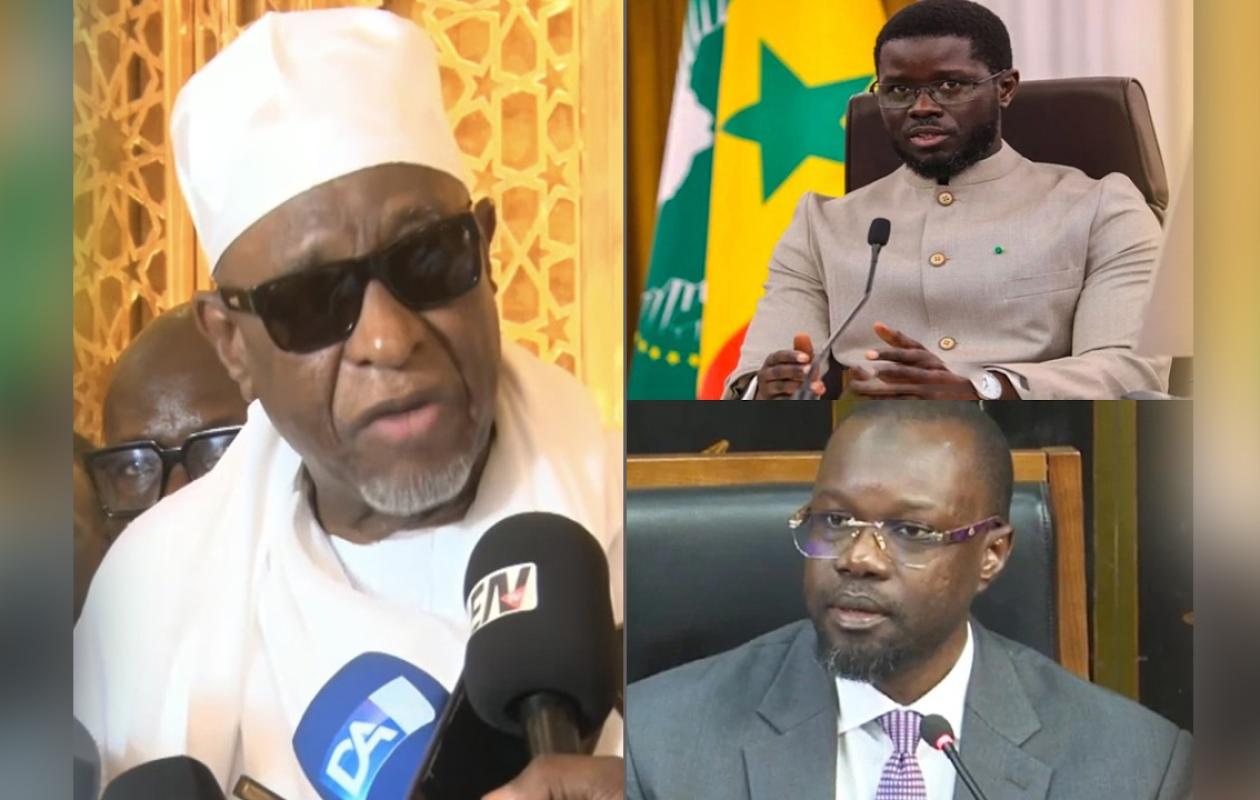
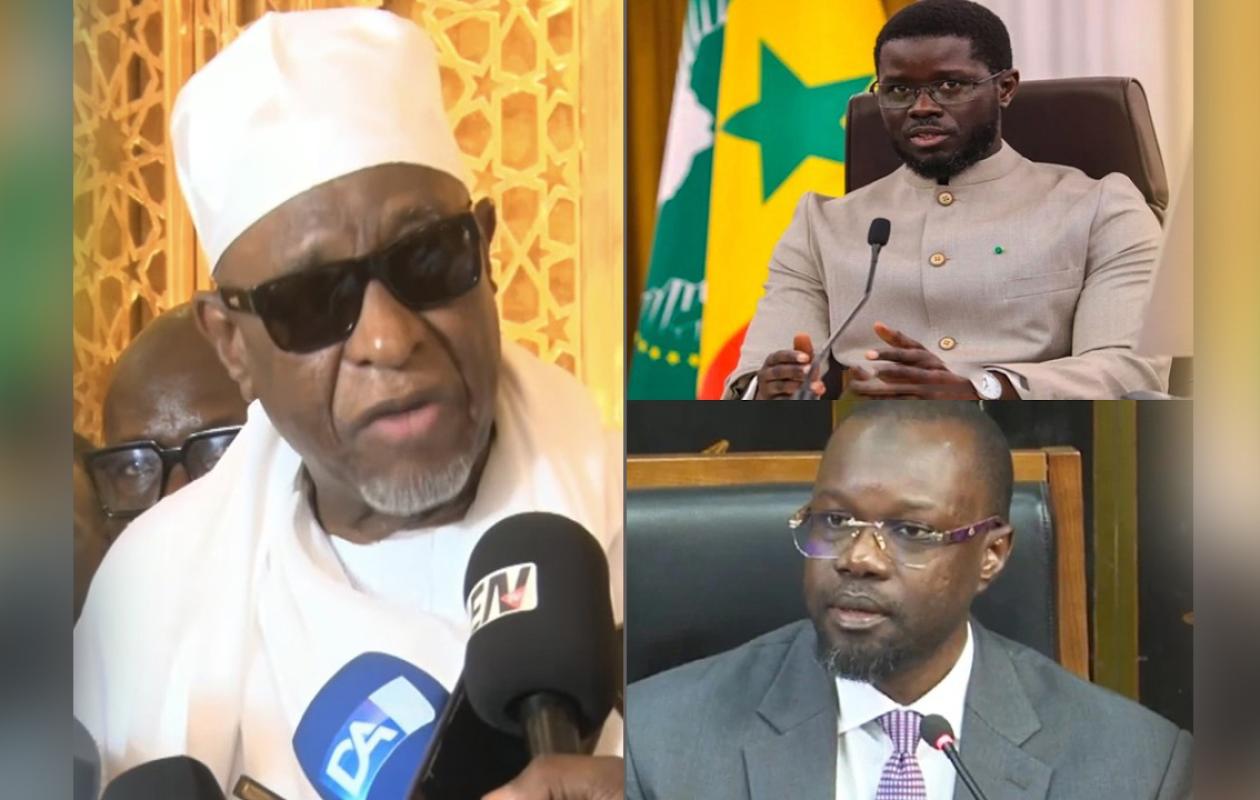
Senegal is currently experiencing a historic political moment whose consequences could have a lasting impact on the nation's future. The dismissal of Prime Minister Ousmane Sonko by President Bassirou Diomaye Faye and the appointment of Ahmadou Al Aminou Lo as head of government open a new political chapter fraught with uncertainty, but also raising questions about the future of the project championed by PASTEF since it came to power in 2024.
For over a decade, Ousmane Sonko and Bassirou Diomaye Faye together embodied the hope for profound change in Senegal. Faced with a political system deemed exhausted by a large segment of the population, particularly the youth, they championed a radical message based on national sovereignty, social justice, transparency in the management of public resources, and the fight against corruption. Their shared struggle sparked exceptional popular mobilization, which ultimately led to the political transition of 2024.
Today, this historic alliance seems to have shattered. Disagreements that had long remained discreet have gradually come to light. Behind the personal tensions often mentioned in the media lie, in reality, deep disagreements about state governance, the country's economic management, and the strategic directions to adopt in the face of current difficulties.
Senegal faces a particularly delicate economic situation. The country is grappling with significant debt, complex negotiations with international financial institutions, and increasing social pressure linked to unemployment, the rising cost of living, and the immense expectations surrounding the political transition. In this context, economic choices become crucial. Some advocate a radical approach aimed at strengthening the country's economic independence, while others favor a more cautious strategy designed to reassure investors and international partners.
Ousmane Sonko's departure is therefore much more than a simple cabinet reshuffle. It symbolizes a rift at the highest levels of government between two visions of power and development. For his supporters, Sonko remains the most popular political figure in the country, the one who embodied the deep aspirations of a generation seeking dignity, employment, and sovereignty. For his detractors, his style of governance and some of his positions have contributed to exacerbating political and economic tensions in an already fragile context.
The appointment of Ahmadou Al Aminou Lo as Prime Minister sends a strong signal to both the Senegalese people and international partners. A renowned economist and former head of the Central Bank of West African States, he embodies a technocratic profile whose primary mission will be to restore economic confidence, accelerate reforms, and support the recovery of public finances. His arrival reflects President Diomaye Faye's commitment to ushering in a new phase more focused on sound economic management and institutional stability.
However, the essential question remains: will this new direction meet the popular expectations that spurred the political change? Senegalese people will not judge leaders on speeches or internal rivalries, but on their ability to tangibly improve living conditions. Youth unemployment, social insecurity, access to public services, education, healthcare, and the sustainable use of natural resources remain the true national priorities.
The other major challenge concerns political cohesion. The risk today is that internal divisions within the ruling party will further weaken institutions and slow down essential reforms. Senegal has always been cited as a democratic model in West Africa. This reputation rests on the strength of its institutions, respect for political pluralism, and the ability of its stakeholders to prioritize dialogue over confrontation. It is therefore imperative that current disagreements be managed within the framework of the Republic in order to preserve the country's stability.
Furthermore, Ousmane Sonko's likely return to the forefront of Senegalese politics could usher in a new era for democratic life in Senegal. His influence remains considerable within PASTEF and among a significant portion of the population. Many observers already believe that the coming years will be marked by a reshaping of the political landscape around the now-conflictual relationship between the two former allies.
Beyond personalities and political ambitions, the future of Senegal must remain the central concern. Citizens expect results, transparency, accountability, and a clear vision for the future. They want to see their leaders focus on solutions rather than power struggles.
History may well remember this period as one of decisive rupture within the movement that had embodied the hope for change. But it may also remember that Senegalese institutions demonstrated their maturity by navigating this crisis while respecting democracy and the rule of law.
Senegal possesses the human, economic, and cultural resources necessary to meet the challenges it faces. To achieve this, it must prioritize national unity, political dialogue, rigorous public management, and the greater good of the nation. People come and go, positions change, but Senegal must remain greater than individual ambitions.
This is not the time for division or settling scores. This is the time for responsibility, collective reflection, and building a future that lives up to the aspirations of the Senegalese people.
Dr. Cheikhabdou Lahad MBACKE
Doctor of Public Policy and Applied Macroeconomics, Specialist in Negotiation and Conflict Management, Mbacke23@gmail.com












Commentaires (1)
Participer à la Discussion
Règles de la communauté :
💡 Astuce : Utilisez des emojis depuis votre téléphone ou le module emoji ci-dessous. Cliquez sur GIF pour ajouter un GIF animé. Collez un lien X/Twitter, TikTok ou Instagram pour l'afficher automatiquement.