"Les choses ne devaient pas en arriver là": l'amitié Sénégal-Maroc à l'épreuve de la CAN
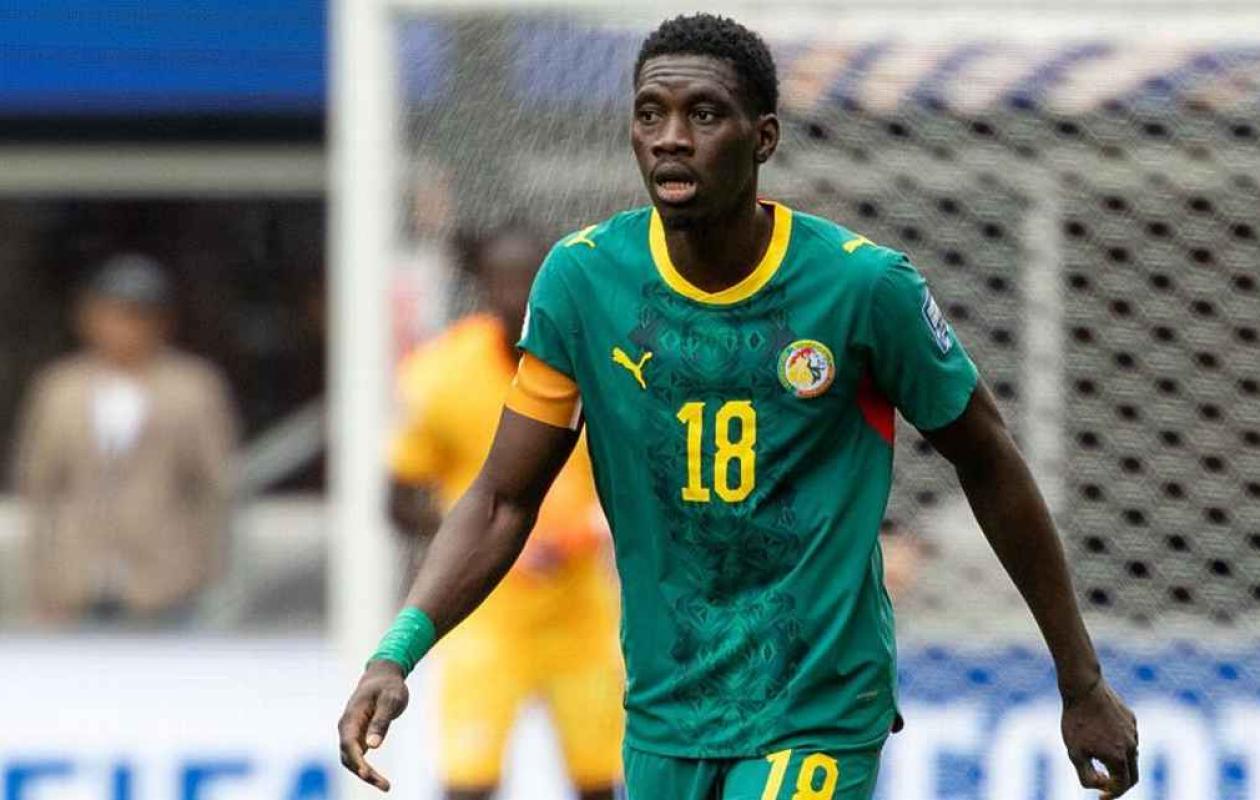
Dakar and Rabat share long-standing ties, but relations have been strained since the Africa Cup of Nations final, which Senegal won in mid-January before being stripped of its title on a technicality in favor of Morocco.
On Rue Mohamed V, the street of Moroccan merchants in Dakar, a police van is parked. "The police have been on high alert since the decision by the Confederation of African Football (CAF) to award the title to Morocco, but there have been no incidents," a local resident told AFP.
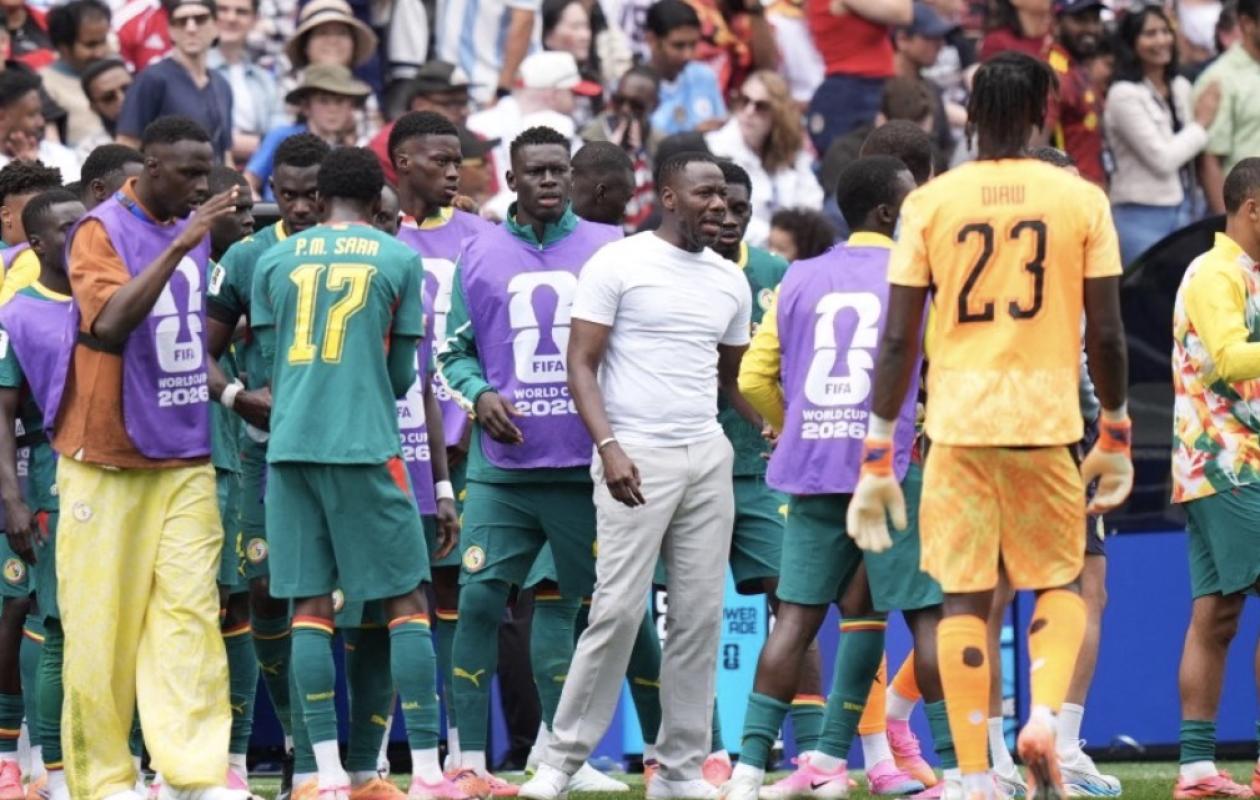
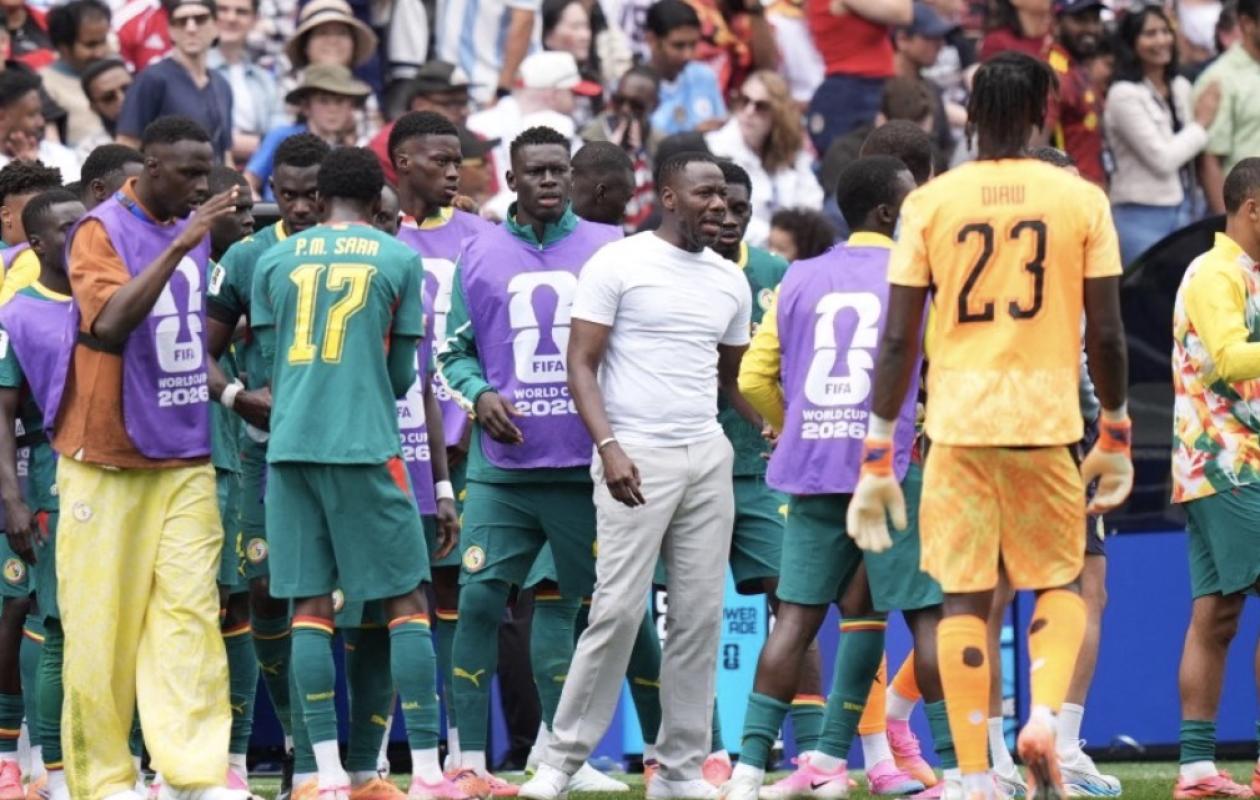
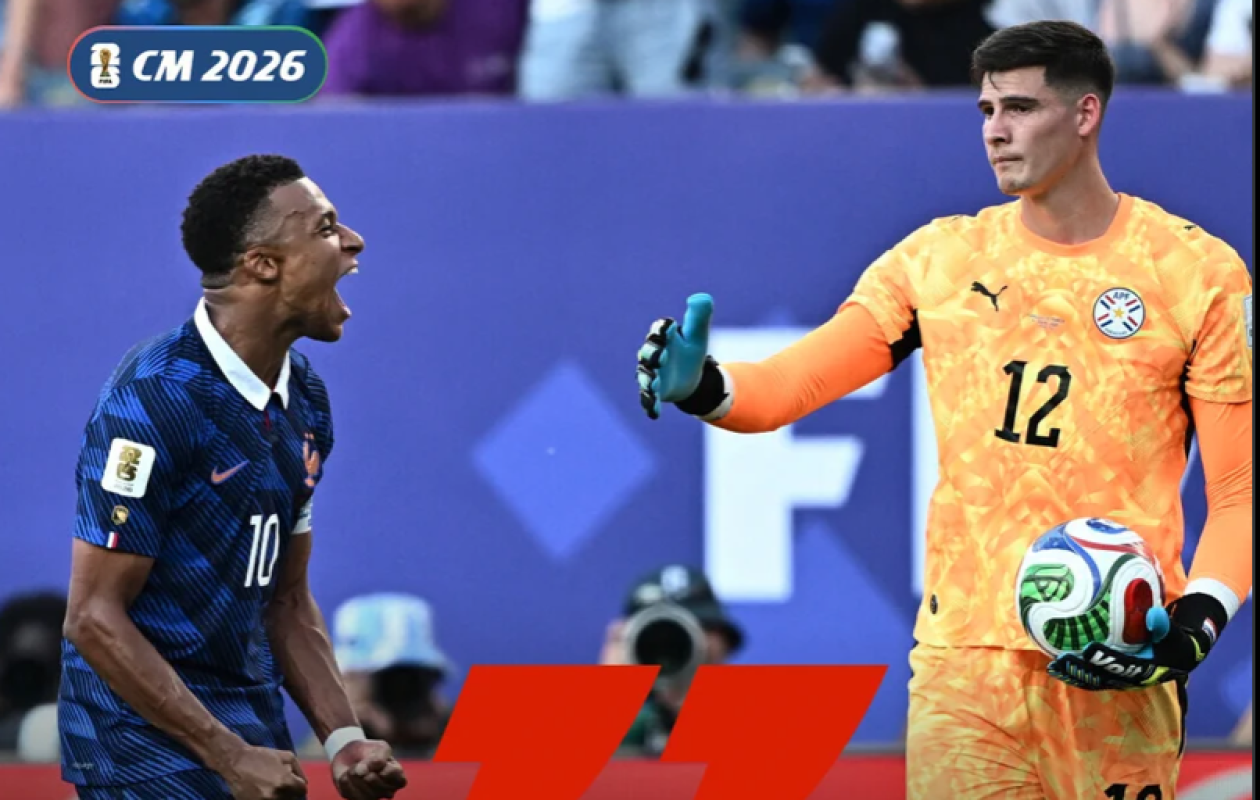
The Africa Cup of Nations (CAN) trophy is a thorn in the side of the praised understanding between the two countries, after the CAF appeals board on March 17 stripped Senegal of the championship title on the grounds that the team temporarily left the pitch after a penalty was awarded to Morocco.
Contrary to this decision, the Senegalese president Bassirou Diomaye Faye showed himself the next day with the trophy, placed behind him in his office.
Senegal has appealed to the Court of Arbitration for Sport (CAS).
The atmosphere is still far from a falling out like that of 2008 - officially caused by the support of a Senegalese opponent in Western Sahara, a former Spanish colony whose territory is mostly controlled by Morocco, but claimed by Sahrawi separatists - when the two countries recalled their ambassadors.
But some Senegalese have called on social media for a "boycott of Moroccan products" in Senegal. And on March 18, Dakar demanded an international investigation "into suspected corruption within the governing bodies of CAF," in a statement that sent a chill through Morocco.
"An official (Senegalese) document mentioned corruption. The implication is that Morocco is the corruptor. Without any proof, of course, and this could have negative repercussions," former athlete and sports executive Aziz Daouda told AFP.
Furthermore, "statements made by some Senegalese football officials are damaging relations" between the two countries, he adds, alluding to allegations of Moroccan control over CAF.
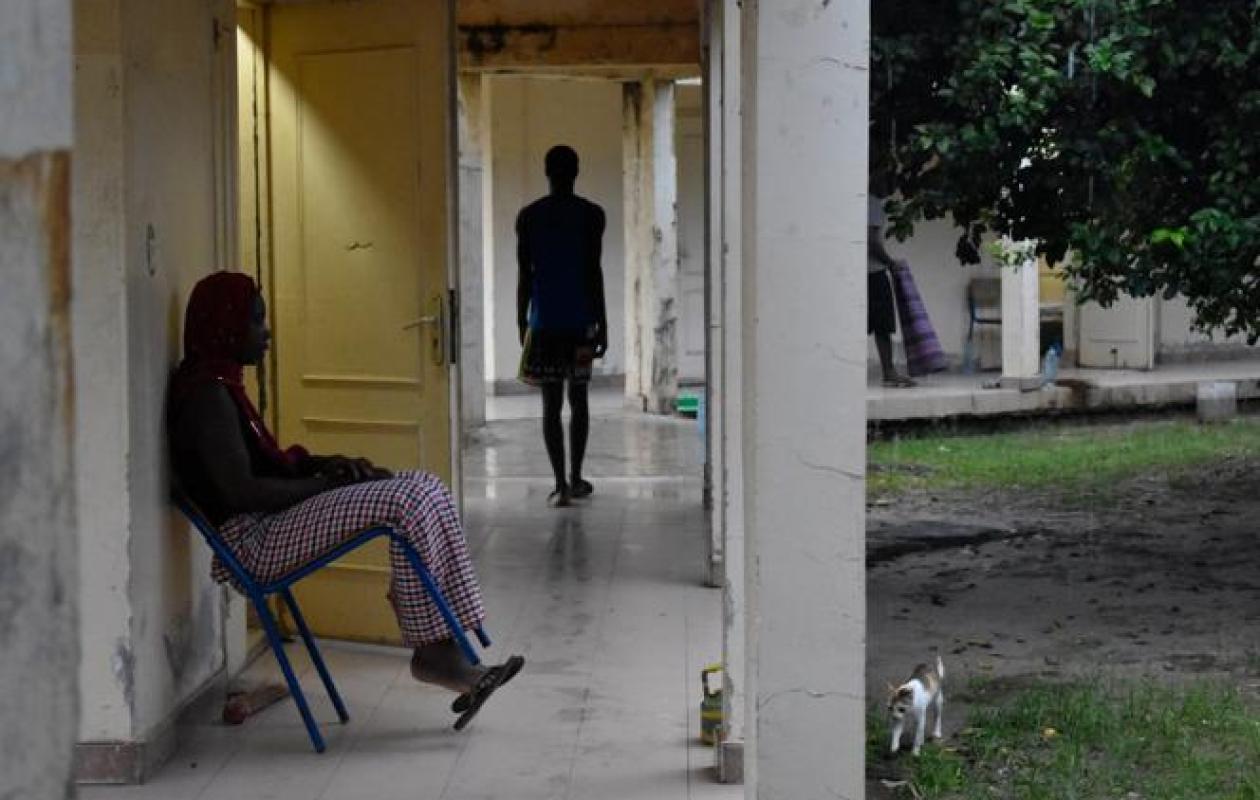
Among the points of friction is the detention for more than two months in Morocco of 18 Senegalese supporters sentenced on February 19 to prison terms of three months to one year for "hooliganism".
Following a penalty awarded to Morocco after a goal was disallowed for Senegal, Senegalese supporters attempted to invade the pitch. The appeal trial of the 18 convicted individuals was postponed for a second time on Monday, until April 13.
Dozens of protesters in Dakar demanded their release at the end of February, calling them "hostages" of Morocco.
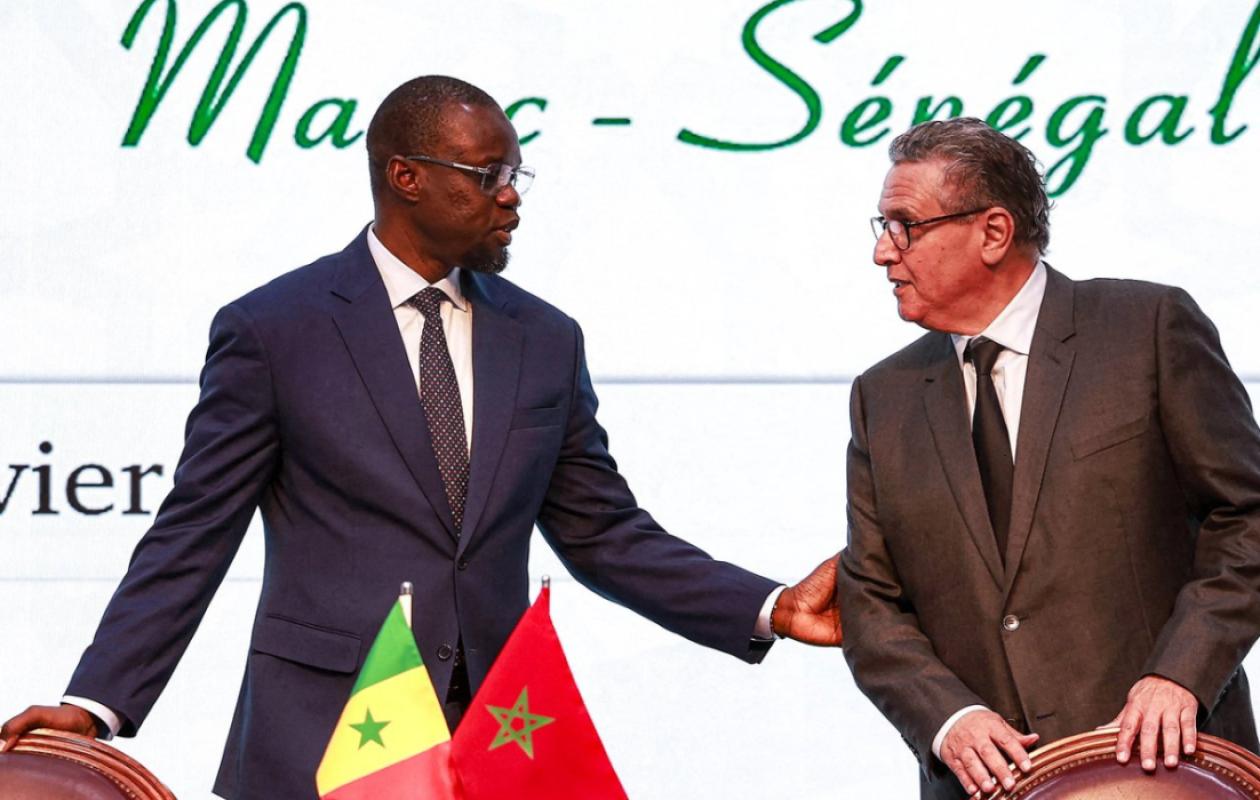
"It seems that this affair goes beyond the realm of sport, and that is regrettable. For two countries that claim to be friends like Morocco and Senegal, things should not have come to this," said Senegalese Prime Minister Ousmane Sonko at the end of February, deploring the conviction of the supporters.
However, Morocco's relationship with Senegal is "unique, specific and extraordinary", writes the Director of Religious Affairs of Senegal, Djim Ousmane Dramé, in a recent text.
It owes its "harmony and (its) durability to a specificity: Morocco has always been the only (African) country with which diplomatic relations with Senegal were also based on an emotional basis and a popular stamp, beyond the institutions and bilateral life (which) survived regime changes in Senegal" thanks in particular to religious ties, Bakary Sambe of the Timbuktu Institute think tank told AFP.
Fez is thus a preferred destination for many Senegalese followers of Tidianism, an influential brotherhood in Senegal whose founder's mausoleum, Sheikh Ahmed Tidiane, is located in this Moroccan city.
On the Moroccan side, after the decision of the CAF appeals jury, the government made no comment and "preferred not to get involved in this football story," commented Mr. Daouda.
At the end of January in Rabat, Moroccan Prime Minister Aziz Akhannouch spoke of a "natural and lasting" relationship with Senegal, where, according to him, more than $540 million is invested by Morocco.
Moroccan companies operate in Senegal, particularly in agri-food, pharmaceuticals, energy, construction and public works (BTP), mining, banking and insurance.
The two countries also exchange students.
On the international stage, they agree, as on the Western Sahara issue.
Finally, Senegal is the largest nationality represented among foreigners residing in the kingdom (18.4%), according to official figures.
"There are many of us on both sides (Senegalese and Moroccans) trying to calm all these hotheads on both sides who are having fun spreading irresponsible things, a lot of 'fake news', a lot of insults," says Mr. Daouda.
For former Senegalese foreign minister Cheikh Tidiane Gadio, "one hundred minutes of football can never damage a thousand years of close relations between Senegal and Morocco," he wrote in early February.








Commentaires (71)
Participer à la Discussion
Règles de la communauté
💡 Astuce : Utilisez des emojis depuis votre téléphone ou le module emoji ci-dessous. Cliquez sur GIF pour ajouter un GIF animé. Collez un lien X/Twitter, TikTok ou Instagram pour l'afficher automatiquement.
Se connecter
Commentez avec votre profil, votre photo, et soyez averti des réponses.