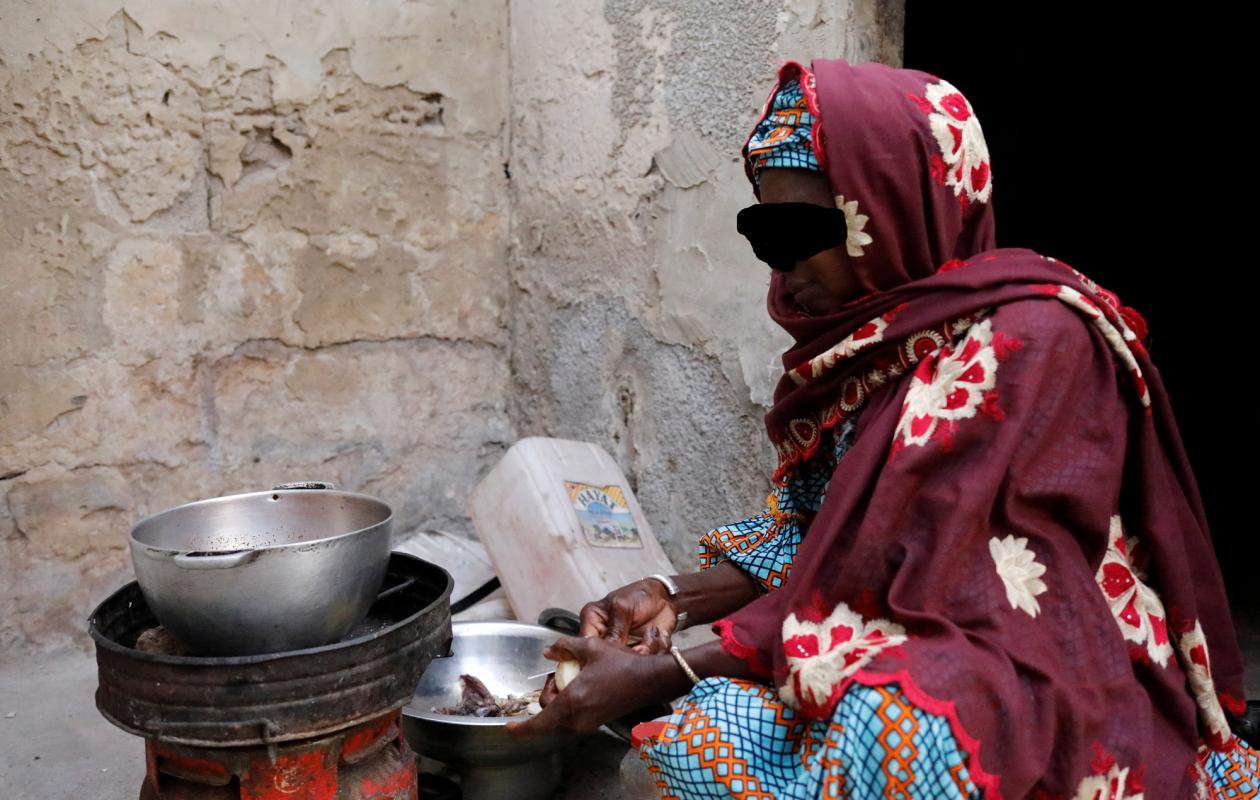
[Focus] Ramadan : Le calvaire des ménages face à une vie « extrêmement chère »
During Ramadan, a period of spirituality and solidarity, the issue of purchasing power arises with particular urgency in Dakar households. Between stagnant incomes and the persistent high cost of basic necessities, many households struggle to maintain their budget in the face of seemingly unrelenting inflation.
While the market stalls in the capital are visibly well-stocked, affordability remains the main obstacle for consumers. Marième Boye, a mother, testifies to this daily struggle, stating that "prices have gone up. It's very difficult this year." She specifies, for example, that "a mini-sized jar of Nescafé costs 1,000 CFA francs, and a kilo of Touba coffee is 5,000 CFA francs," while the prices of sugar and gas cylinders do not appear to have improved.
This high price even affects basic produce, with some vendors not hesitating to offer "a single carrot for 200 CFA francs." While other housewives, like Mami Mbaye, downplay the situation, noting that only onions have seen a significant price increase, the general feeling in Dakar remains that "it's difficult to make ends meet."
The paradox of spending during the holy month
Contrary to the common perception of Ramadan as a month of sobriety and thrift, it traditionally leads to a surge in food spending to ensure a proper breaking of the fast. Ms. Niang emphasizes this reality, stating, "It's often said that Ramadan is a month of saving, but in reality, that's not the case. We don't save anything at all." She adds that it's impossible to reduce expenses because people cannot go an entire day fasting without a proper iftar.
Faced with this inflation, families are employing a variety of survival strategies, including varying their menus to avoid fish, which they consider too expensive, and buying in smaller quantities. Households are forced to prioritize essential food items, such as sugar, coffee, milk, potatoes, and onions—products that represent a significant portion of the budget during periods of high consumption.
A feeling of powerlessness in the face of a lack of control
The most frustrating observation for households remains the gap between official announcements of price reductions and the reality on the ground. Marième Boye laments a lack of regulation, stating that "there is no oversight." She cites the example of rumors of a price decrease for gas cylinders, which have not translated into any tangible change for the end consumer.
According to her, the family budget sometimes "almost doubles" during this period, making financial stability nearly impossible compared to the previous year. Despite this crisis, the people of Dakar focus their efforts on preserving the dignity of the iftar meal and maintaining a spirit of solidarity, while bitterly repeating that "life is extremely expensive in Dakar."























Commentaires (25)
Participer à la Discussion
Règles de la communauté :
💡 Astuce : Utilisez des emojis depuis votre téléphone ou le module emoji ci-dessous. Cliquez sur GIF pour ajouter un GIF animé. Collez un lien X/Twitter, TikTok ou Instagram pour l'afficher automatiquement.