
REMBOURSEMENT DE LA DETTE: RUSES ET SUBTERFUGES DES MAUVAIS PAYEURS.
"He who pays his debts grows rich," goes the saying. Yet, in Senegal, experience shows that many borrow without any real intention of repaying. The victims of these practices are numerous, and the consequences go beyond simple financial loss: failure to honor commitments undermines trust and destroys human relationships.
In Senegal, businesses are numerous but almost all share the same concerns. Whether large or small entrepreneurs, one major problem keeps recurring: customers who take on debts that they almost never repay.
Abdallah Diallo, a 24-year-old shopkeeper, opened his business three years ago with the help of his brother. Today, he has had to close down. "They took everything on credit. They come and tell you: 'Write it down in the ledger,' without ever paying back. In the end, they go to another neighborhood to buy what you're selling," he laments. Now a worker paid weekly, he misses his shop. "It was very difficult for me. I was doing well before," he confides, his face sad. His brother now refuses to help him because he had warned him. "He forbade me from selling on credit, but I couldn't refuse because they told me their children hadn't eaten anything."
This scourge doesn't just affect shopkeepers. Every month, social media erupts. Online sellers flood WhatsApp statuses with messages like, "It's the end of the month, pay up," or even more aggressive ones like, "Pay my money, I don't want any trouble."
Dado Diop, a clothing vendor in her forties, nearly went bankrupt. After a year's break, she resumed her business with a "just-in-time" system. She no longer keeps stock, she posts photos from her suppliers, and only delivers after approval. "I can go a week without selling anything, but at least I'm not extending credit anymore," she says with a relieved smile.
Friendship put to the test by the wallet
Even outside of business, lending money can break relationships. Ousseynou Touré, a young entrepreneur, saw his relationships deteriorate. “A friend borrowed 400,000 FCFA from me. Months later, when I asked for it back, he flew into a rage and told me, ‘You’re not getting a thing.’ Prevented from filing a complaint by family mediation, Ousseynou lost both his money and his friend.” He is also puzzled by some of the messages he receives. “They write to you and ask, ‘Do you have 5,000 FCFA? My electricity is out.’ Once the money is sent, there’s no further news. You no longer know if it’s a loan or a request for help,” he says bitterly, amused.
The paradox of priorities
In Senegal, debt sometimes seems to be taken for granted. Maniang Seck, a local notable, is raising the alarm about contradictory behaviors. "We receive many complaints. People refuse to pay even though they have the means. It's incomprehensible that someone would spend 500,000 FCFA on a ceremony or go on the Hajj pilgrimage to Mecca when they owe 100,000 FCFA to someone they know. Yet, the Hajj requires that all debts be settled before departure," he points out.
A burden that will linger even in the afterlife
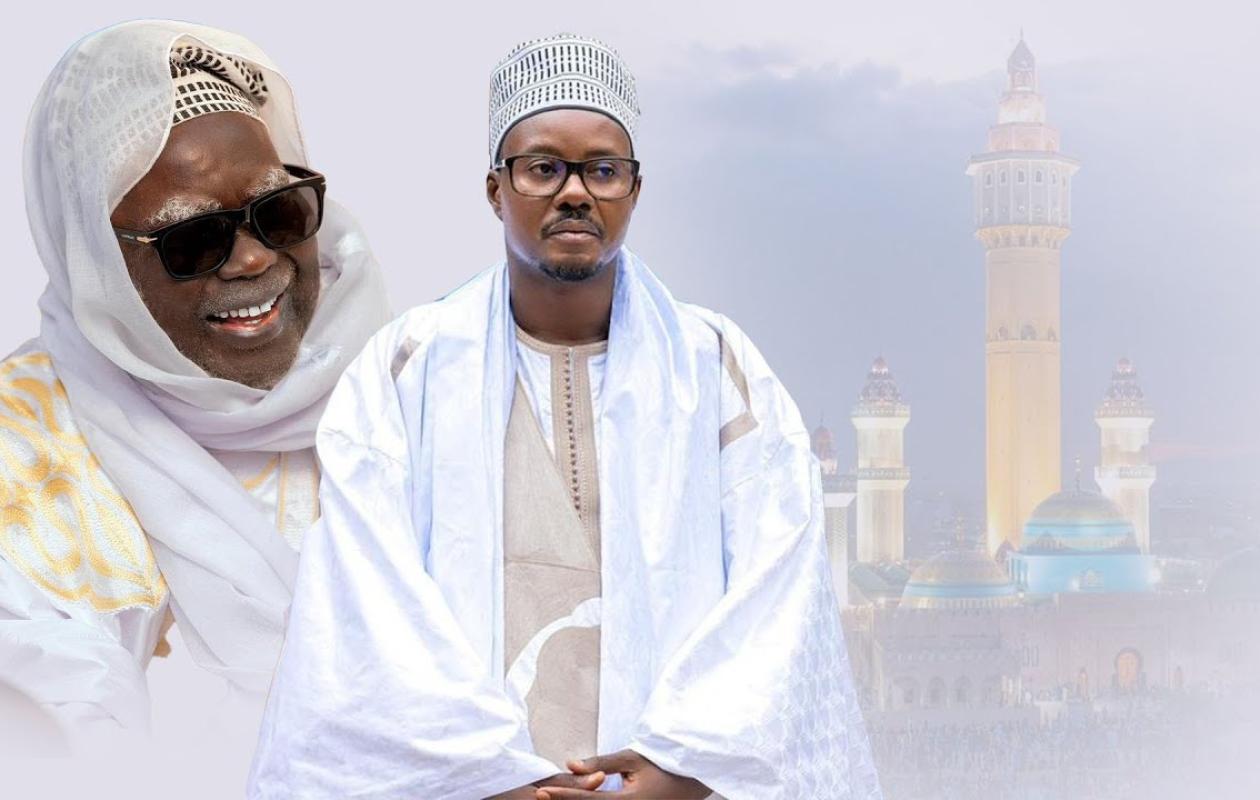
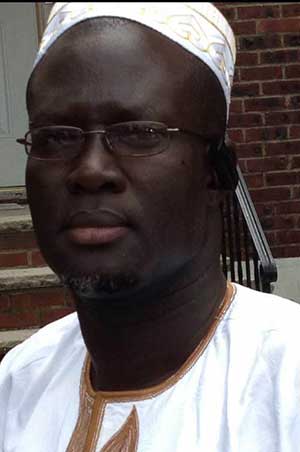
Faced with this normalization of non-reimbursement, religious leaders are taking a firm stance. Imam Abdoul Aziz Ndoye, Secretary General of the Imams of Rufisque, emphasizes that financial commitment is first and foremost a moral commitment.
“Anyone who incurs a debt must pay it, whether they are Muslim or not. Sometimes you ask for help from someone who, not having the means but not wanting to say no, will themselves go into debt to help you. Islam is clear on this point: you must pay your creditors,” the Imam insists.
He also emphasizes the debtor's responsibility. "If, on the due date, you do not have the means to pay, take responsibility. Go see the person who lent you the money to agree on an extension of the deadline," the scholar teaches.
Finally, he emphasized the spiritual gravity of unpaid debts: “When someone dies, even before the funeral prayer, those present are asked if the deceased had any debts. The Prophet Muhammad (peace be upon him) refused to pray for anyone who died with debts. This illustrates the crucial importance of this issue. If you have the means to pay and you don't, God will personally deal with you on the Day of Judgment,” the Imam warned.
However, he also calls on creditors to be lenient. "For the lender, if the debt becomes such a burden that it prevents the borrower from going to the mosque or frequenting public places, forgiving them is a noble act. God will reward this gesture, perhaps even with Paradise. But in any case, be sure to pay your debts," he advises.
















Commentaires (13)
Tu as tout dit . C'est ça le Sénégal. Voilà pourquoi je n'ai aucun espoir pour ce pays qui fait plus que tolérer le MENSONGE et l'abus de confiance que constitue la violation délibérée d'engagements moraux ou contractuels. Ces 2 comportements sont la base de la prospérité individuelle et de la société. On parle de la prospérité des juifs dont le secret repose sur le respect des engagements financiers et le refus du mensonge entre eux. Au Sénégal celui qui ment est un héros , celui qui ne paye pas ses dettes est adulé considéré comme un guerrier sans peur ni reproche . Qu'on ne me parle plus de nos valeurs ou autres bêtises héritées de nos ancêtres.
Participer à la Discussion
Règles de la communauté
💡 Astuce : Utilisez des emojis depuis votre téléphone ou le module emoji ci-dessous. Cliquez sur GIF pour ajouter un GIF animé. Collez un lien X/Twitter, TikTok ou Instagram pour l'afficher automatiquement.
Se connecter
Commentez avec votre profil, votre photo, et soyez averti des réponses.