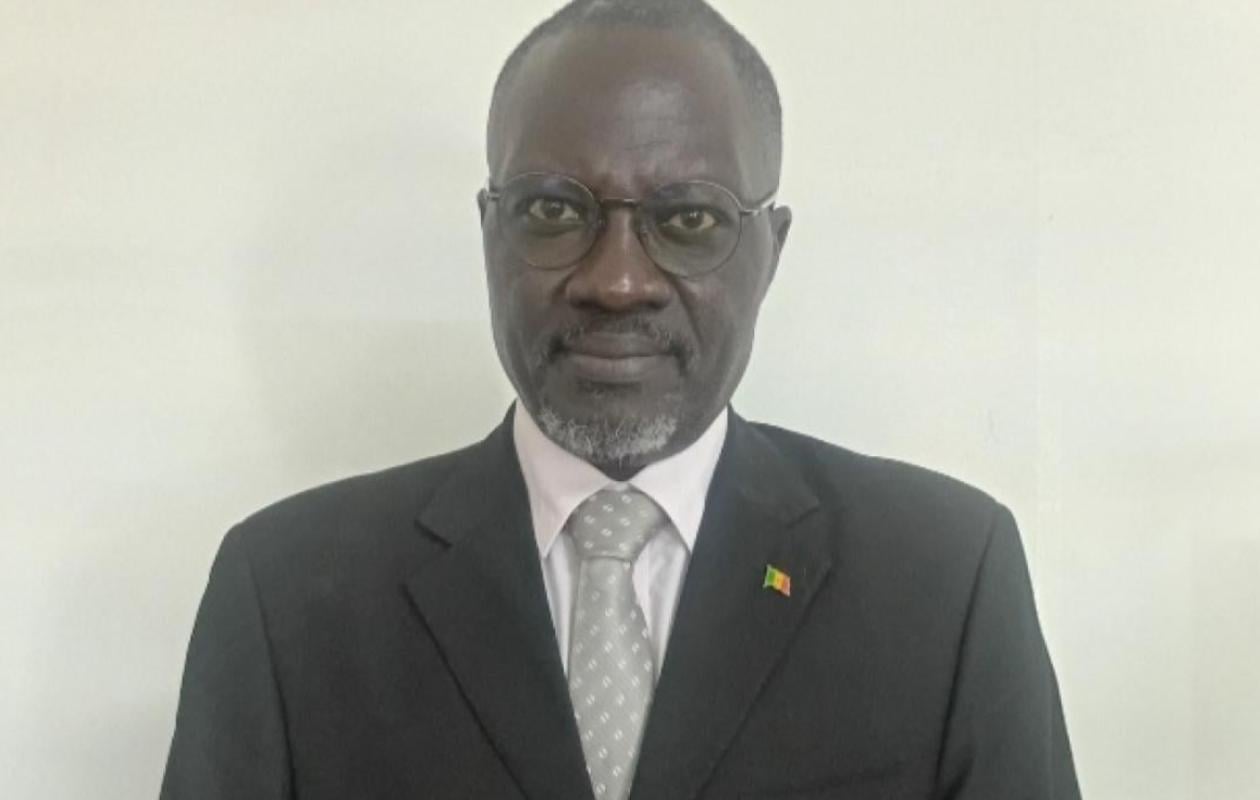
[L’ET DIT TÔT] UCAD, un étudiant tué : le goût amer de la ‘bourse (estudiantine) ou la vie’ ? Voire ! (Par Ousseynou Nar Gueye)
Here we are again. The calendar proudly displays February 2026, we are told about "Senegal 2050", satellites and digital sovereignty, but closing your eyes, you would think you were rereading the dusty archives of an old grimoire of 80s protest. This Monday, February 9, Cheikh Anta Diop University (UCAD, its most well-known name), this temple of knowledge too often transformed into a gladiatorial arena, just two days after the fortieth anniversary of the death of the last Black Pharaoh, Cheikh Anta Diop of Caytu, reminded our entire country that the much-promised "systemic break" can also sometimes have the acrid taste of tear gas thrown by the BIP (Multipurpose Intervention Brigade) and the metallic smell of young blood spilled in pure waste. As during the previous second Salltennat of Macky Sall or as during the second and last Wadaillonnat-Baîllonnat-Baronnat of our centenarian presidential Papy Gorgui Laye Wade when he stubbornly tried (and succeeded in) seeking a third presidential term from 2011, without success.
Young Abdoulaye Ba, a medical student, will never heal anyone. He will never prescribe remedies, he will never soothe pain. His own destiny came to an abrupt halt, cut short by a sordid affair involving unpaid scholarships. To die at twenty for a few banknotes that the administration forgot to release is not far from the absolute failure (which I hope is only temporary) of a system that claims to place humanity at the heart of its priorities.
Our hearts beat on the left: we demand social justice, the right to education, and the protection of the most vulnerable. But our very own right wing can't resist delivering a sharp rebuke to our state's managerial incompetence on the student grant issue. How can we, in 2026, with all the digital tools we're constantly being told about, be incapable of transferring a grant on time? For the hungry student, yes, it's forced fasting when they don't receive their grant or when they don't engage in the misnamed, self-hating "nguenté Toubab" (a derogatory term for a white person who forces their way into student cafeterias to eat without paying).
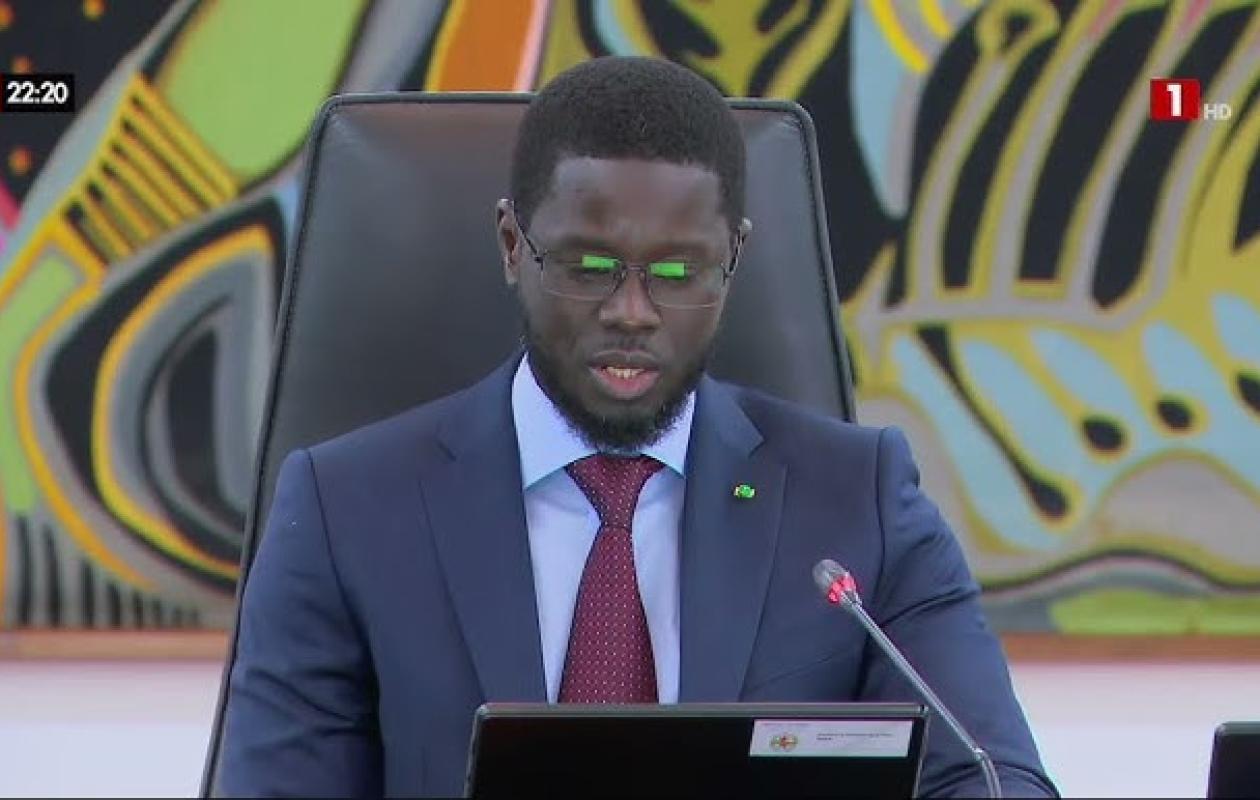
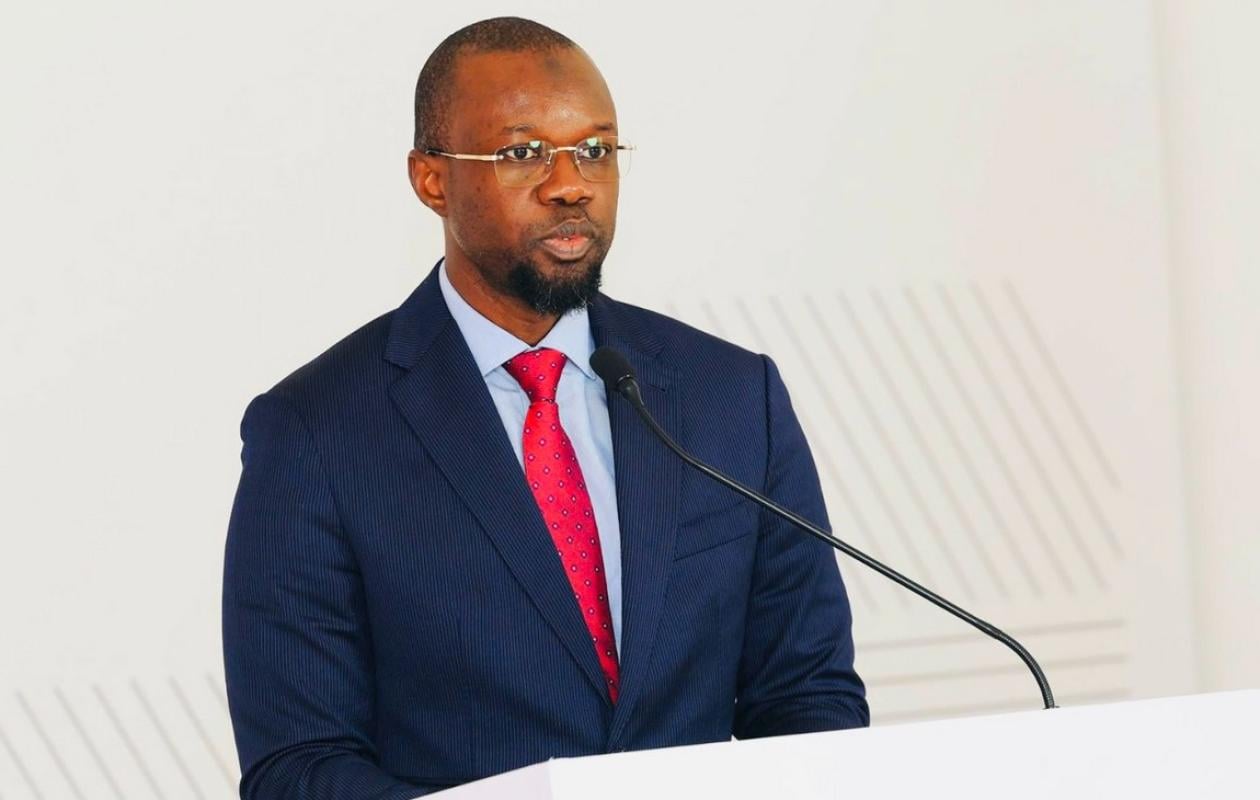
Mr. Prime Minister, we saw you, inspired, calling the students back to the lecture halls from the fields of Khelcom Biram. The image was beautiful, almost biblical and Koranic. But the reality on campus is less idyllic. Ensuring our young people have enough to buy a meal before subjecting them to metaphysics or constitutional law is not charity, it's responsible management. A nation cannot be built on empty stomachs and dreams shattered by stun grenades.
Dignity, you see, isn't negotiated with batons. It isn't divided into paltry sums of 25,000 or 40,000 CFA francs. Every time a police officer raises a hand to a student for a legitimate grievance, the Republic averts its eyes. On the left, we mourn a son; on the right, we demand accountability. Because if there's a lack of money in the coffers for youth programs, let them first tell us whose pockets it has decided to settle into for its late winter hibernation in this chilly February of 2026.
Meanwhile, the doors of the social campus closed this Tuesday, February 10th, leaving thousands of young people stranded, their mattresses on their heads, wandering through Dakar like exiles in their own country. Is this what systemic breakdown looks like? Of course not. Because if it were, it would have a distinctly familiar feel that is starting to seriously unsettle many of us, Senegalese men and women of all ages and social backgrounds.
However, on the issue of student grants, I solemnly call for a National Conference on Student Affairs in Senegal. My view, which I express regularly, is that we cannot, as Wade I did, impose universal student grants, partial grants, or aid for the less fortunate, on all students in this developing country, our beloved Senegal, simply because they have passed the baccalaureate, even with a passing grade. No other French-speaking sub-Saharan African country does this, or has done so since at least the devaluation of January 1994, 32 years ago.
But to put an end to what Abdoulaye Wade has made an "acquired right" for students, a "social benefit of quasi-constitutional right"—student grants for all—a national consensus is needed. All the vital forces of the Senegalese nation must be brought together in a multi-day, informal gathering, similar to the now-traditional annual National Political Dialogue. This must begin with bringing together political parties, including the opposition, which is quick to exploit the death of the young student, and also labor unions, many of which have historically served as fronts for left-wing or conservative political parties, paving the way to state power or rendering the country ungovernable, as was the case in 1988 or even earlier, in 1968. A national consensus is necessary!
On what grounds do all students in Senegal receive money from the public treasury, but not the Ndongo Daaras? Nor the apprentices who dropped out of school at the CM2 level to learn to be tailors, welders, mechanics, wheelwrights, millers, carpenters, metalworkers, tire repairers, or street vendors? We cannot continue to walk like this, with our heads in the sand.
I raised the issue at the beginning of December 2025. Then a month later, on January 1, 2026, on all my social media networks.
I was saying this in particular: let's put the problem back to the Senegalese government, 1 month later in this New Year, a time of hopes? The budget of the MESRI (Higher Education and Scientific Research) is voted 316 billion FCFA for 2026, with more than 90 billion FCFA allocated to student scholarships (an increase in the amount of student scholarships compared to the 82 billion of 2023).
– Viability of Generalization? The fact that scholarships already exceed 90 billion FCFA raises the question of the long-term viability of generalizing scholarships to all students in the current context of strict budgetary constraints (significant deficit):
– Pressure: The scholarship system represents an enormous financial pressure on public finances.
– Alternative: A future revision could be considered, and this is desirable, moving from a logic of generalization to a return to a scholarship logic based on social criteria (income) or criteria of excellence (merit) to rationalize spending without sacrificing access to higher education.
Students who remain in Senegal often do so because they were unable to study abroad on scholarships due to only achieving a passing grade on their baccalaureate exams. These "domestic scholarship students," if I may use that term (since they remain in Senegal), some of them say that with their 40,000 FCFA stipend, "they help their parents back in the village." I apologize for having to say this repeatedly, but a student scholarship should not be confused with a family stipend or a social safety net for the student's entire extended family, regardless of the current hardships.
Furthermore, regarding our young high school graduates aged 17, 18, and 19, whom we send on merit scholarships to France, Belgium, Canada, and other distant lands: from my point of view, this amounts to handing over 90% of these well-trained individuals to the Western recipient countries for the rest of their future professional lives. They will have their first internship, their first serious love, their university friends: how can we be surprised that they stay? These foreign state scholarships to young people still in adolescence are, unwittingly, satisfying the infamous "selective immigration" so dear to Nicolas Sarkozy; it is an organized brain drain and a policy of perpetuation and concrete complicity in the vassalage of Africa from the perspective of what should be the constant renewal of the generational next generation of our collective intelligence in service of the development of our country and our continent. This is what the current regime in power in Senegal should examine as a pressing question of development choices and a serious societal issue, in light of its policies of sovereignty and pan-Africanism. Let's give our young high school graduates foreign scholarships for post-graduate studies.
When we replay a VAR of Macky Sall in which he declares that with his student grant he was helping his parents in the village, it is understandable morally and sentimentally, but rationally, intellectually, and in terms of sustainable and inclusive development policies: simply unacceptable.
My other point of view is this: we can no longer concentrate more than 100,000 students in the center of Dakar, between Point E on Avenue Cheikh Anta Diop and the Fann Corniche. This is a national security issue for Dakar and its residents. When the University of Dakar, which wasn't yet called UCAD, was created in 1957, its current location was a distant suburb, cut off from the Plateau, the administrative district, and the Medina, the indigenous quarter, by wild fields where hyenas and jackals still roamed. Going to Fann was like going to Ouakam (where that dear, late storyteller Birago Diop was born, whom I idolize, by the way, with his ever-present pipe in the mouth of a veterinarian-writer…), in 1957: that is to say, going to the deep suburbs.
UCAD must be closed and all faculties transferred out of Dakar, except for the medical faculty which the young student killed on Tuesday attended.
Because medical students, at least, we know they are not there for strikes every 36 days of the month and for anarchistic social demands, with the 8 years of studies that await them or the 11 years of studies to do if they want to pass a specialization.
90,000 students, whose numbers grow exponentially every year, throng the labyrinthine corridors of UCAD every day. Three Dakar bakeries work exclusively to feed UCAD students.
So transfer all of this to Matam, Ourossogui, Kanel, Kédougou, Kaolack, Kébémer, Louga, Oussouye, Bignona and other beautiful quiet villages of this Senegal, where it will not occur to any student of literature or philosophy or law or economics to block a non-existent avenue and burn tires to prevent traffic which in any case does not know traffic jams.
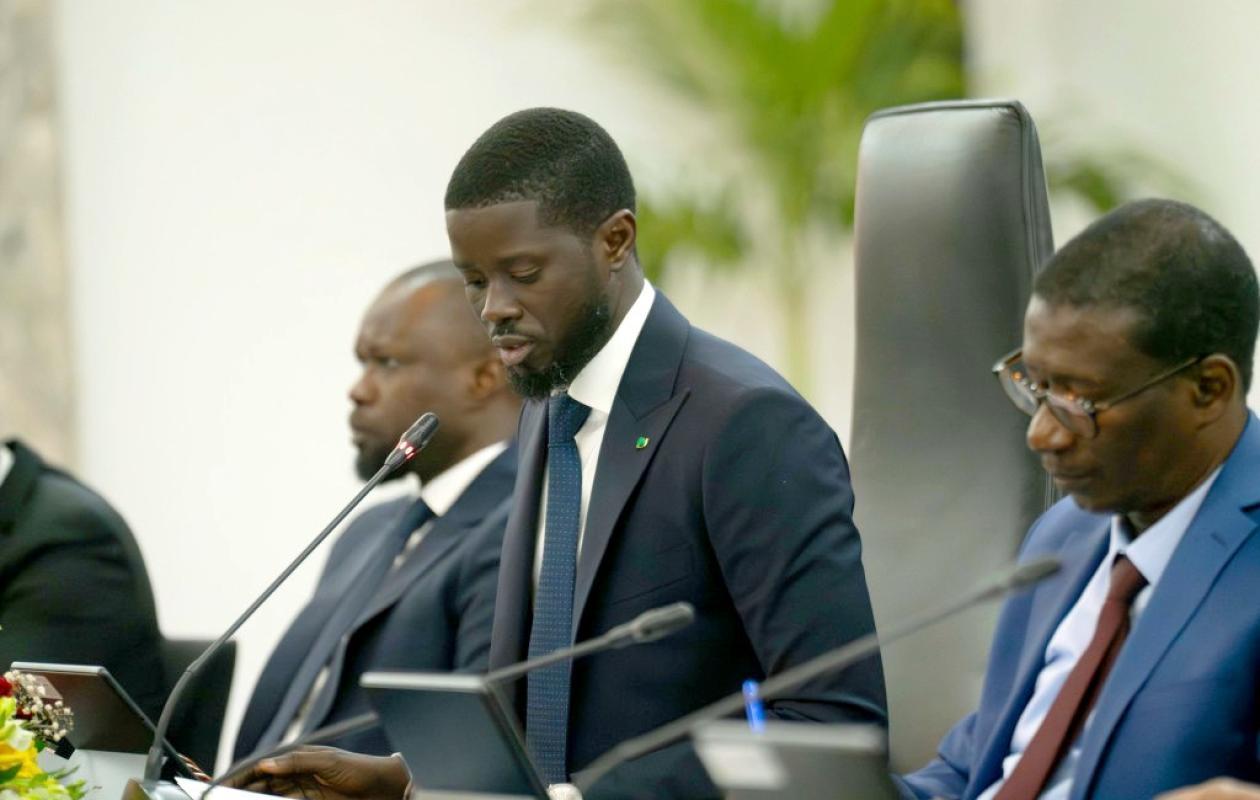
And so, transform the UCAD's land reserves into Dakar's Central Park, a vast green space and the capital's green lung after Hann Park, a future former UCAD campus we dream of, where joggers will run every day among the verdant trees and families will picnic on weekends. This is my solemn and formal request to President Bassirou Diomaye Faye and his Sonko 2 government.
But first: a national conference on Higher Education with the central issue of universal scholarships at the heart of discussions among all the vital forces of the Nation: to reach a NATIONAL CONSENSUS! Let's stop with untouchable totems, like the Senegalese student scholarship.
May Allah grant the soul of the young student Abdoulaye Bâ entry into His highest Paradise, Firdaws. (Recite the Fatiha and 11 Ikhlas.) Pray for the repose of his soul. My deepest condolences to his family and to the entire UCAD student community.
By Serigne Dawakh, Ousseynou Nar Gueye.
Founder of Tract Hebdo (www.tract.sn); President of the civic and citizen engagement movement Option Nouvelles Générations – Woorna Niu Dokhal












Commentaires (6)
Participer à la Discussion
Règles de la communauté :
💡 Astuce : Utilisez des emojis depuis votre téléphone ou le module emoji ci-dessous. Cliquez sur GIF pour ajouter un GIF animé. Collez un lien X/Twitter, TikTok ou Instagram pour l'afficher automatiquement.