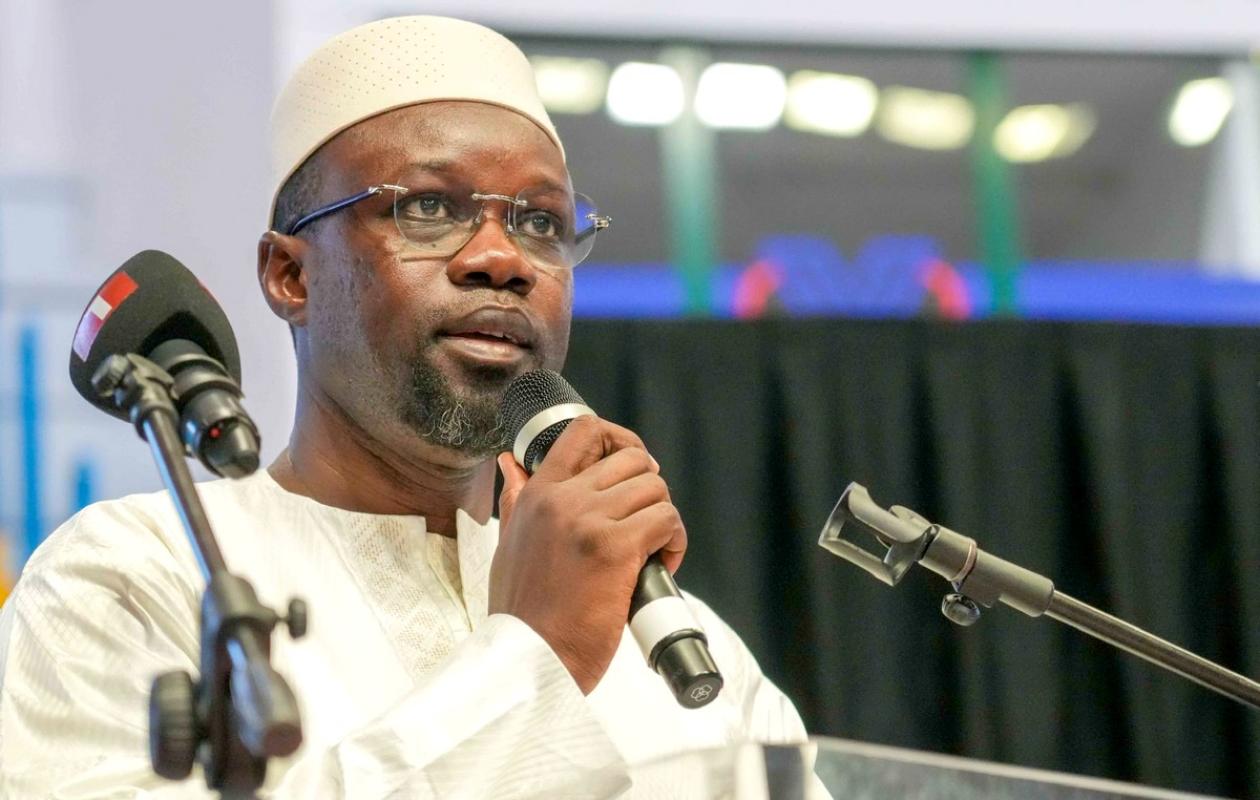
Souveraineté énergétique : Elimane Haby Kane valide la vision de Sonko, mais prévient des « verrous » internationaux
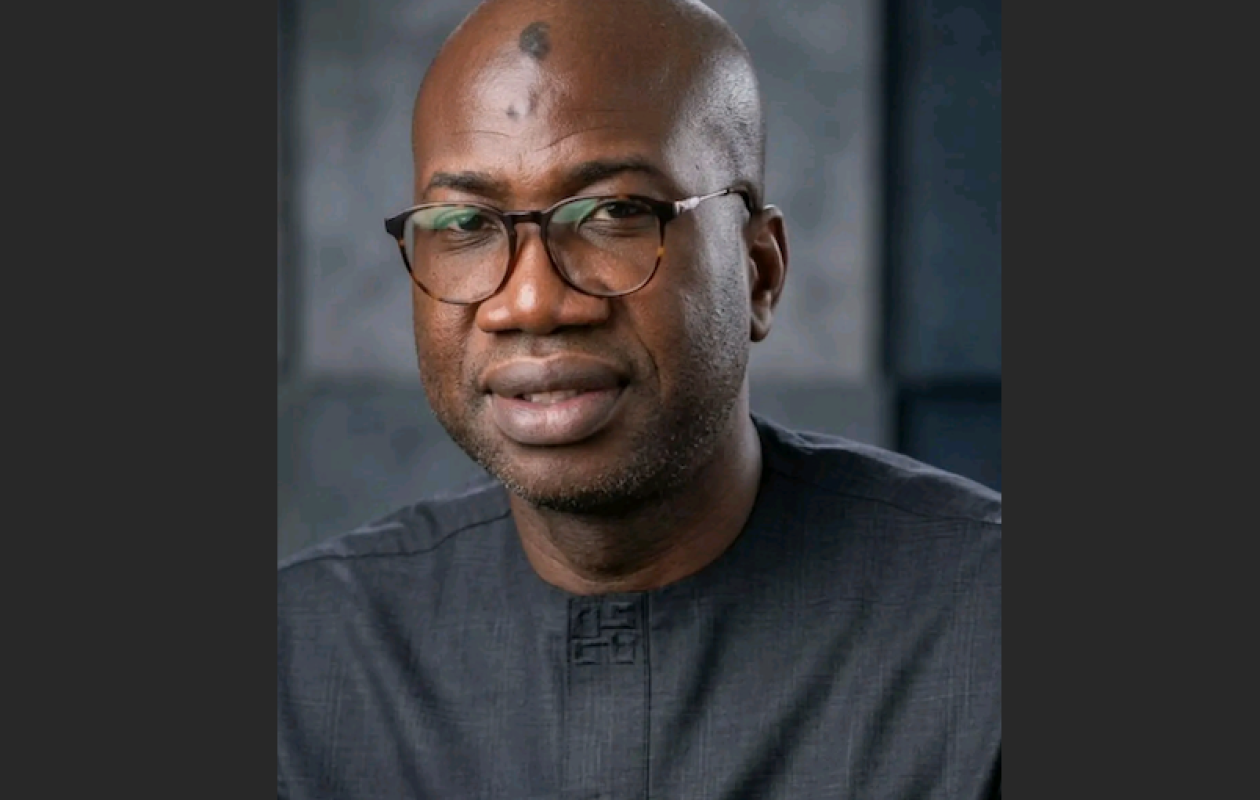
The president of the Legs-Africa think tank, Elimane Haby Kane, reacted to the announcements by Ousmane Sonko's government regarding the renegotiation of strategic contracts, particularly in the oil and gas sector. While he welcomed the necessary shift towards reform for the national economy, he nevertheless emphasized the geopolitical and legal challenges facing the Senegalese state in its dealings with oil and gas giants.
Invited to the "Objection" program on Sud FM this Sunday, March 15, 2026, Mr. Kane stated that he was "in agreement" with Prime Minister Ousmane Sonko's vision of having full control over the governance of energy resources. His support for the PM's vision is based on an undeniable initial observation: "The current situation of unbalanced relationships (between the State and the operating companies) prevents us from benefiting from our resources while we risk impacts (environmental, health-related, among others) that could be fatal."
However, while the vision is deemed "good," putting it into practice promises to be somewhat perilous. At least, according to Mr. Kane, who points out that the extractive sector is governed by extremely "rigid" international law, often designed to protect foreign investors. Consequently, the president of Legs-Africa believes that to successfully achieve this transition to national control, Senegal will have to wage a two-pronged battle.
The challenges to be met
First, internally, he believes it will be necessary to meticulously reassess "what is legally renegotiable within the current framework." Globally, the challenge for the Senegalese government is to project itself into the future in order to "challenge global energy governance." This is an arena where geostrategic power dynamics reign supreme, as evidenced by the international situation marked by conflicts rooted in energy issues.
“Everything happening in the world revolves around the control and mastery of these resources,” the president of Legs-Africa points out. In this regard, he notes: “In Senegal, our advantage is that we are not yet a country with significant oil and gas resources. Therefore, we are not yet exposed; otherwise, we would run the same risk as Venezuela, where the president was assassinated, or Iran, which is currently under attack, just as Libya and Iraq were in the past.”
Another challenge the government will have to address is taxation, where the state stands to lose a great deal without increased vigilance and advanced technology. Elimane Haby Kane explains: “It’s not just about implementing tax policies. It’s about having the resources and technology necessary to counter tax avoidance strategies (using legal strategies or loopholes to minimize the tax burden, editor’s note) that large multinational corporations may employ. Much of the illicit financial flow occurs in the extractive sector.”
He adds: "They (the multinationals) have the means to use bilateral treaties and tax conventions to manipulate their own subsidiaries. For example, for marketing here we have BP. But the marketing of GTA is done by a BP subsidiary even though it has already been sold to them. And even in the debt incurred to raise financial resources for project operation, that's when companies make their profit margins, and we see nothing coming."
The Yakaar project: gas at the service of industry
Faced with all these risks, Elimane Haby Kane applauds the government's decision to take over all the assets of the Yakaar-Téranga Project following the departure of giants BP and Kosmos. He sees it not as a failure, but as a historic opportunity. The complete takeover of this project by the government is a boon for local industrialization through the "gas to power" strategy.
The goal is to transform the gas "by us and for us." By using this resource to produce domestic energy rather than for raw export, Senegal could finally lay the foundations for true economic independence, Mr. Kane believes.
Thiebeu NDIAYE
![[EXCLUSIF] Actes contre nature : L'homme politique Ndiaga Seck arrêté par la DIC](https://image.seneweb.com/content/news/2026-20-15//thumb_1260x800_6a0726d812df9_nxDd5CNBzl.jpg)







Commentaires (3)
Participer à la Discussion
Règles de la communauté :
💡 Astuce : Utilisez des emojis depuis votre téléphone ou le module emoji ci-dessous. Cliquez sur GIF pour ajouter un GIF animé. Collez un lien X/Twitter, TikTok ou Instagram pour l'afficher automatiquement.