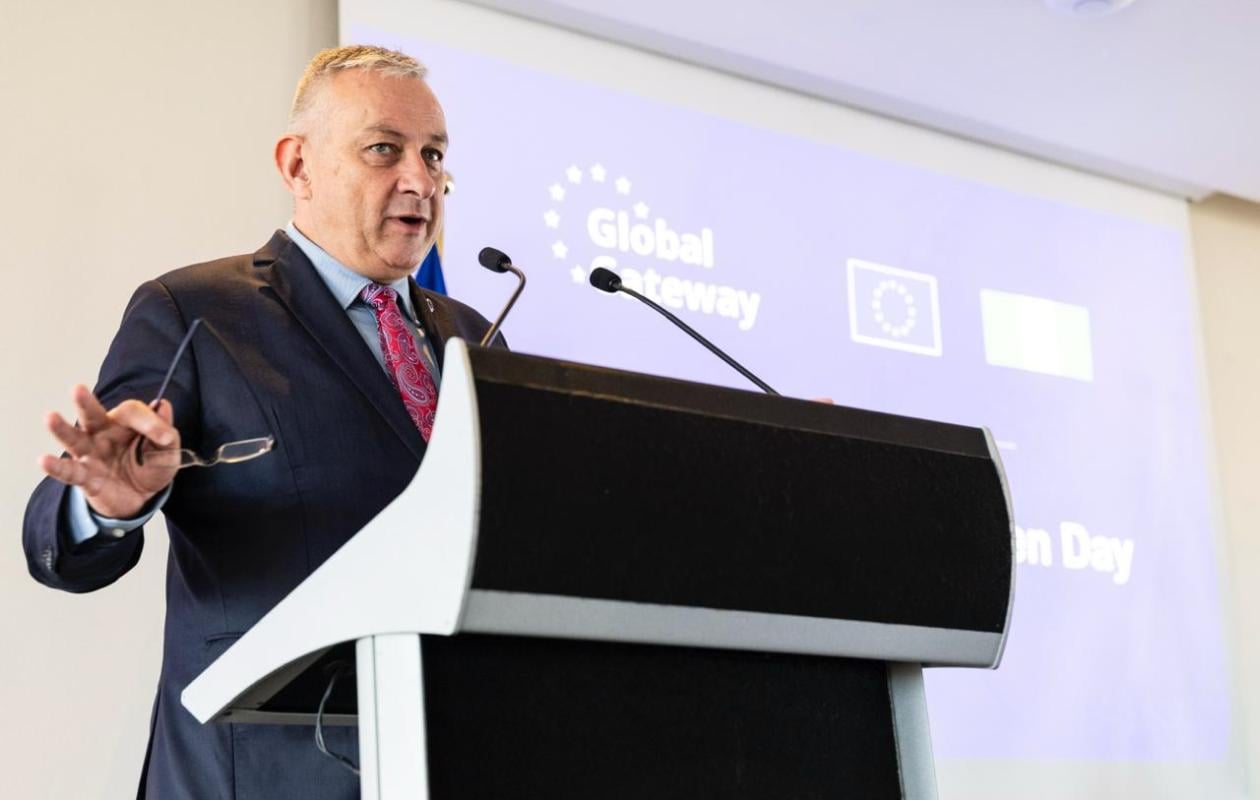
Entretien (Partie 2) : Jozef Síkela dévoile la stratégie de l'UE pour un Sénégal "Pivot"
As Dakar and Brussels discuss a new strategic and comprehensive partnership, Senegal's position extends far beyond bilateral relations. Between regional integration, institutional stability, energy transition, migration management, and health cooperation, the country is establishing itself as a key player in West Africa. In an international environment marked by competing investment models and shifting geopolitical power dynamics, the European Union seeks to consolidate lasting alliances based on governance, financial sustainability, and the creation of local value.
In this second part of an interview given to Seneweb, Jozef Síkela gives his reading on the strategic place of Senegal in the regional implementation of projects supported by the EU, on the European safeguards framing public-private partnerships, as well as on the link between migration, economic development and legal mobility.
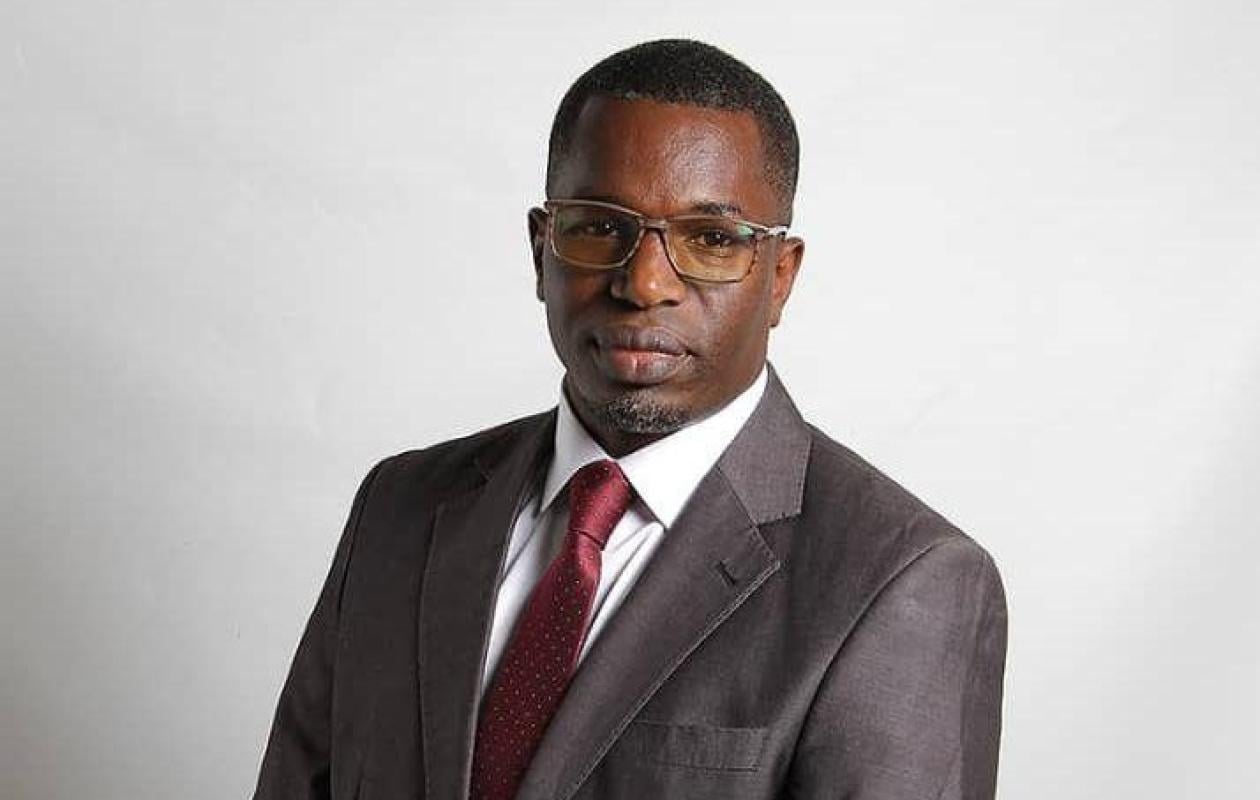
As European Commissioner for International Partnerships, he is responsible for steering the European Union's external investment policy and structuring its economic partnerships with third countries, particularly on the African continent.
Senegal is often presented as a "pivotal" country in West Africa. From the EU's perspective, does this position translate into particular responsibilities for the country in the regional implementation of EU-supported projects?
Senegal is an example of democratic governance in West Africa and plays an important role in the dialogue with countries in the region that have different systems of governance. We attach great value to this role.
The EU can support Senegal in sharing its model of economic and political integration. In this regard, the implementation of EU-supported projects can strengthen regional cooperation and integration, while respecting political and institutional mandates.
In this context, Senegal can play a key role in implementing regional programs. This is the case, for example, with infrastructure projects enabling the interconnection of electricity grids with neighboring countries, the management of transboundary water resources, the improvement of transport corridors, and initiatives related to the prevention of cross-border conflicts. The EU also supports cross-border cooperation and strengthening the resilience of populations living in border areas.
What limits does the EU set to prevent public-private partnerships supported in Senegal from leading to financial or technological dependence?
This is a crucial question, at the heart of the European approach.
First, we apply high standards in terms of transparency, public procurement, debt sustainability, and governance. We work with international financial institutions and development banks, and our instruments are designed to avoid any unsustainable financing structures.
Secondly, we focus on creating local value such as employment, local supply chains, skills, and maintenance capacity. When we support infrastructure, energy, digital, or industrial projects, the goal is not just to build, but to ensure that these projects can be operated locally and generate opportunities on the ground.
Thirdly, we are investing heavily in skills and technology transfer. The goal is to strengthen Senegalese capacities, both public and private, so that the partnership increases autonomy and competitiveness in the long term.
In summary, our partnerships aim for empowerment and resilience, not dependence.
Does European funding for migration and development include specific economic components for Senegal, and if so, which ones?
Yes, and it is important to adopt a balanced approach, because the debate is too often caricatured.
We are working together to protect people and combat the criminal networks that profit from human suffering. Migrant smuggling has become a form of organized crime. It exploits vulnerable people, spreads false promises, and endangers lives. Combating these networks is a shared responsibility, and we are cooperating closely with the Government of Senegal on this issue.
But our cooperation is not limited to security. It also covers opportunities, skills, and legal mobility. We primarily operate in three areas.
First, we invest in youth employment and entrepreneurship in areas of high emigration. Several programs support the creation of local jobs, particularly in agriculture, agro-processing, services and the green economy, in order to broaden economic opportunities in areas of origin.
Secondly, we are mobilizing the diaspora to support productive investment. Co-financing and support mechanisms enable the diaspora to invest in local economic projects that create jobs and added value.
Thirdly, we support the economic reintegration of returning migrants. We fund programs combining vocational training, entrepreneurship support, and access to financing for income-generating activities, in order to promote sustainable reintegration into the local economy.
We also want to develop legal and structured pathways for mobility where possible. When credible opportunities exist locally and legal pathways are available, migration becomes a choice, not a constraint.
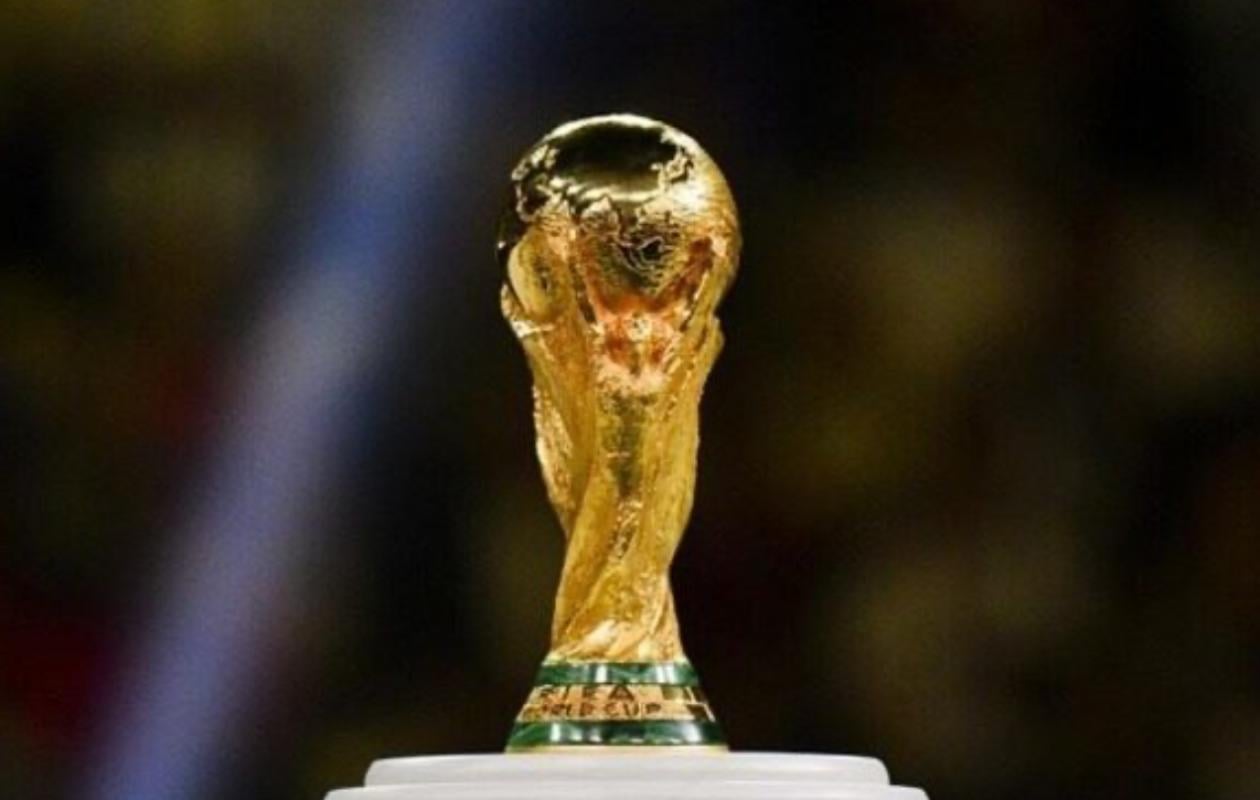
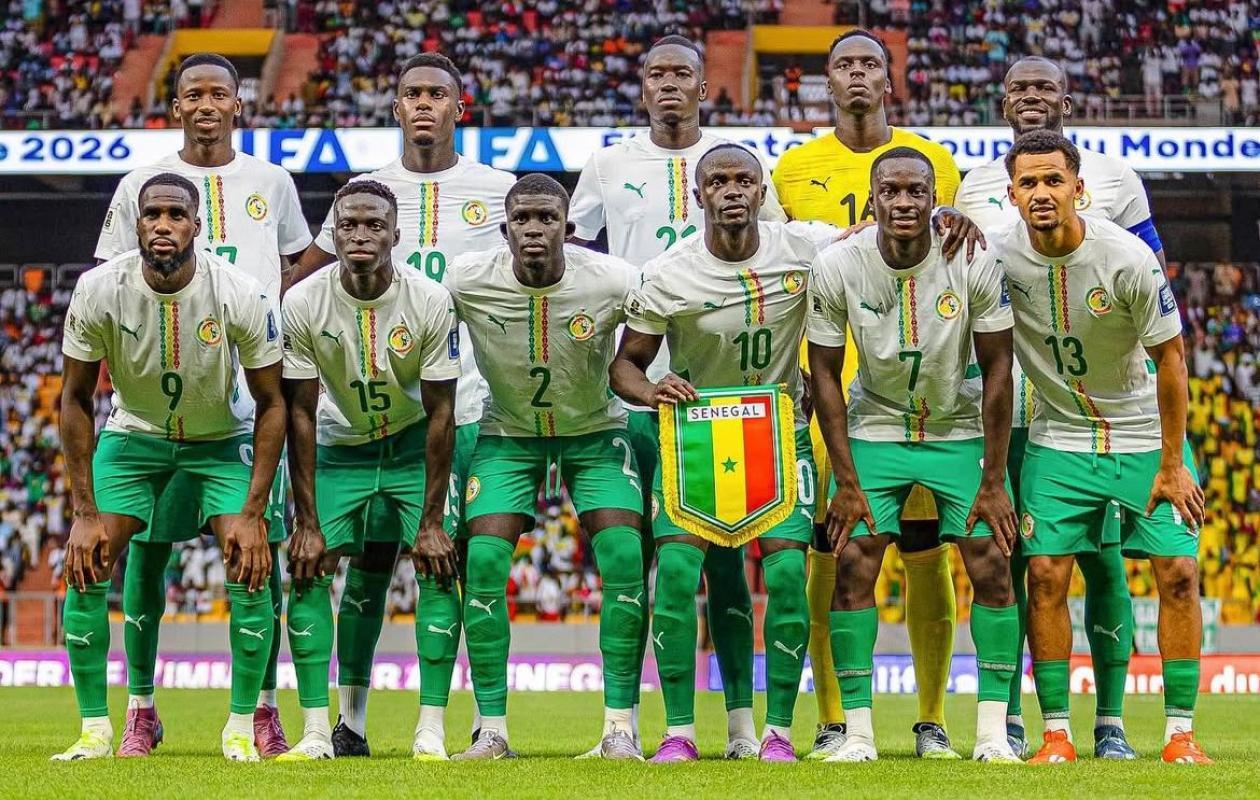
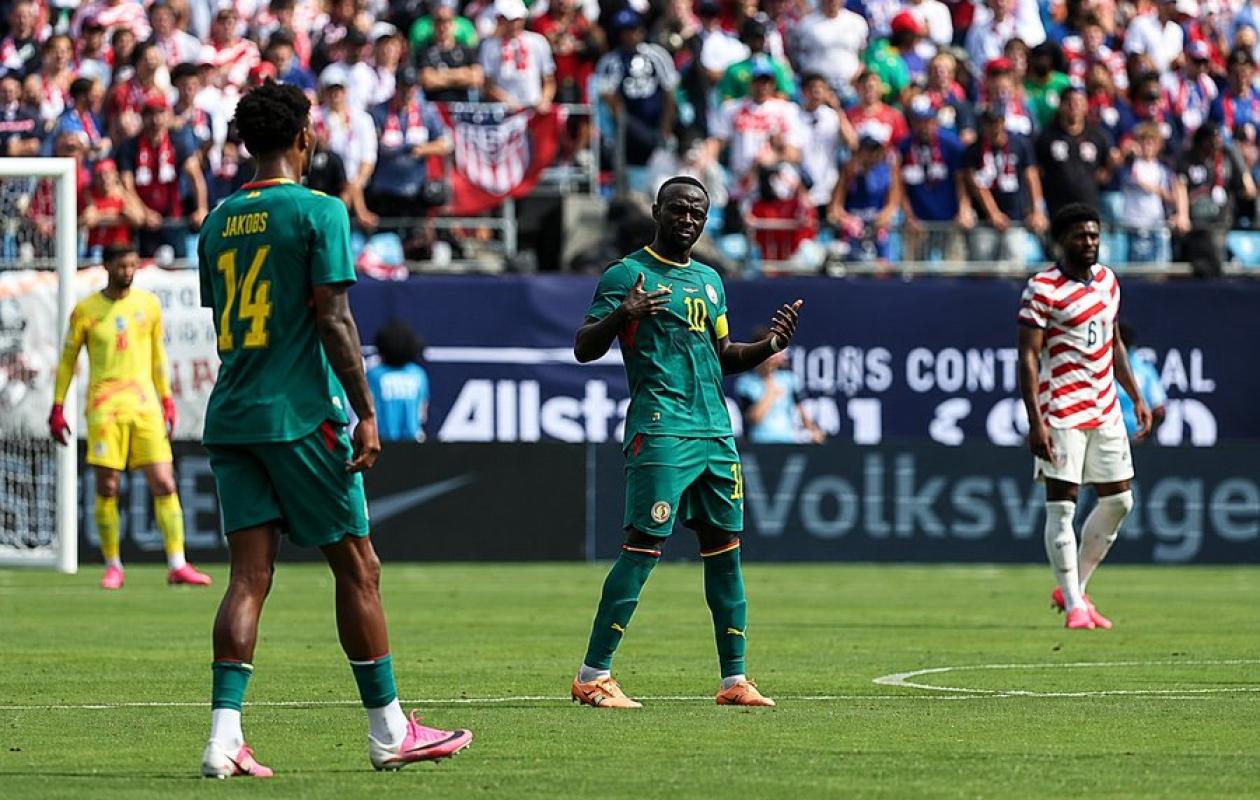
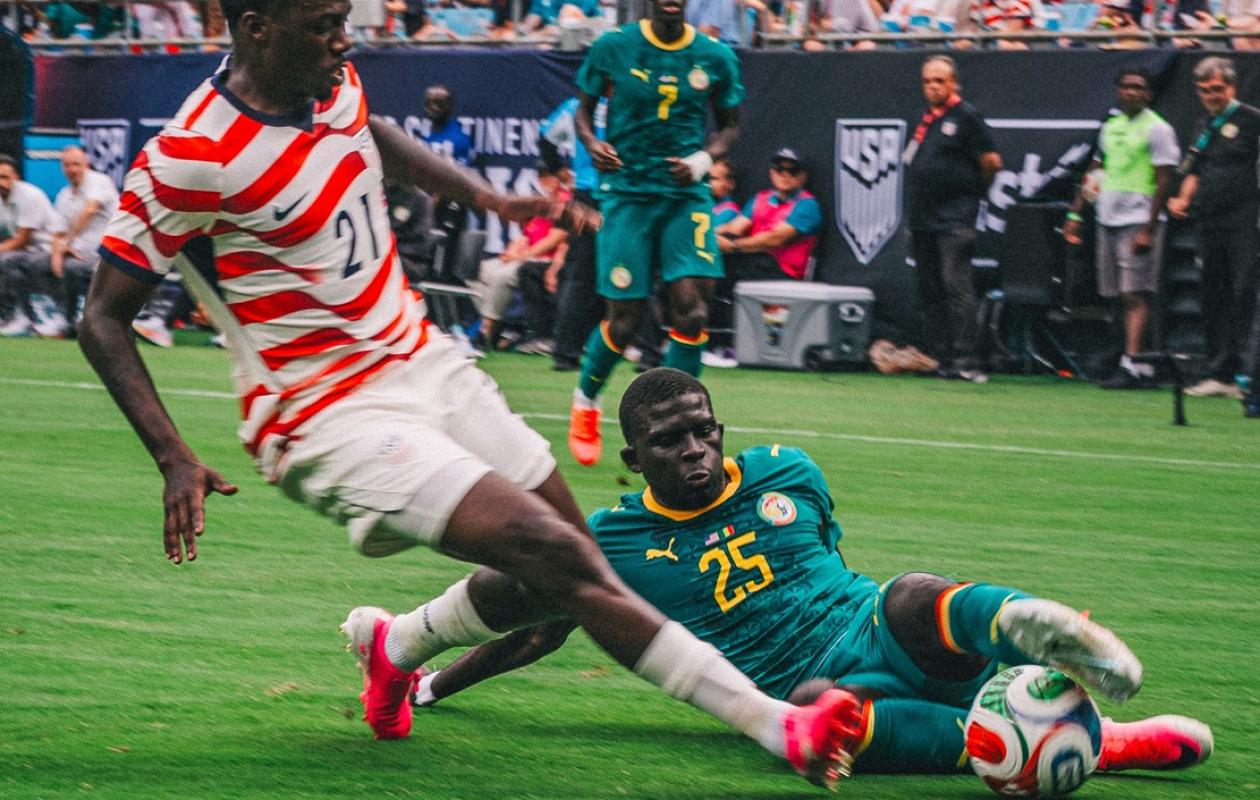
Was the European Union's involvement in the Africa Cup of Nations a tool for influence and partnership diplomacy on the African continent, and what was its strategic scope?
Through our partnership with the Confederation of African Football, we wanted to visibly demonstrate the strength of the Africa-EU partnership. Football is a passion shared by our two continents. But this commitment also sends a clear message: the EU considers Africa a long-term partner and is investing in the future of its talented youth.
By supporting events such as the African School Championship, we have linked sport to education, skills development, and the promotion of inclusion, including for girls. The prize money reinvested in school infrastructure demonstrates our commitment to a lasting local impact.
What message did you send to the Senegalese authorities regarding the partnership between the European Union and Senegal?
The message is simple: the EU considers Senegal a key strategic partner in West Africa, sharing strong democratic values. The EU and its Member States are already Senegal's leading trading partner and largest investor, but we want to go even further together.
We are deepening our relationship based on dialogue between equals and concrete priorities that address our clearly identified mutual interests. We are working together to meet citizens' expectations, particularly regarding employment, economic opportunities, and stability. We also wish to strengthen our cooperation on peace and security, as well as on migration and mobility issues, in a balanced approach based on listening and trust.
In a world where some actors pursue transactional and unpredictable agendas, the EU is a reliable, long-term partner to support investment and economic transformation in Senegal. Our objective is clear: to foster self-reliance, resilience, and shared prosperity.
Interview conducted by Aïcha Fall









Commentaires (4)
Participer à la Discussion
Règles de la communauté :
💡 Astuce : Utilisez des emojis depuis votre téléphone ou le module emoji ci-dessous. Cliquez sur GIF pour ajouter un GIF animé. Collez un lien X/Twitter, TikTok ou Instagram pour l'afficher automatiquement.