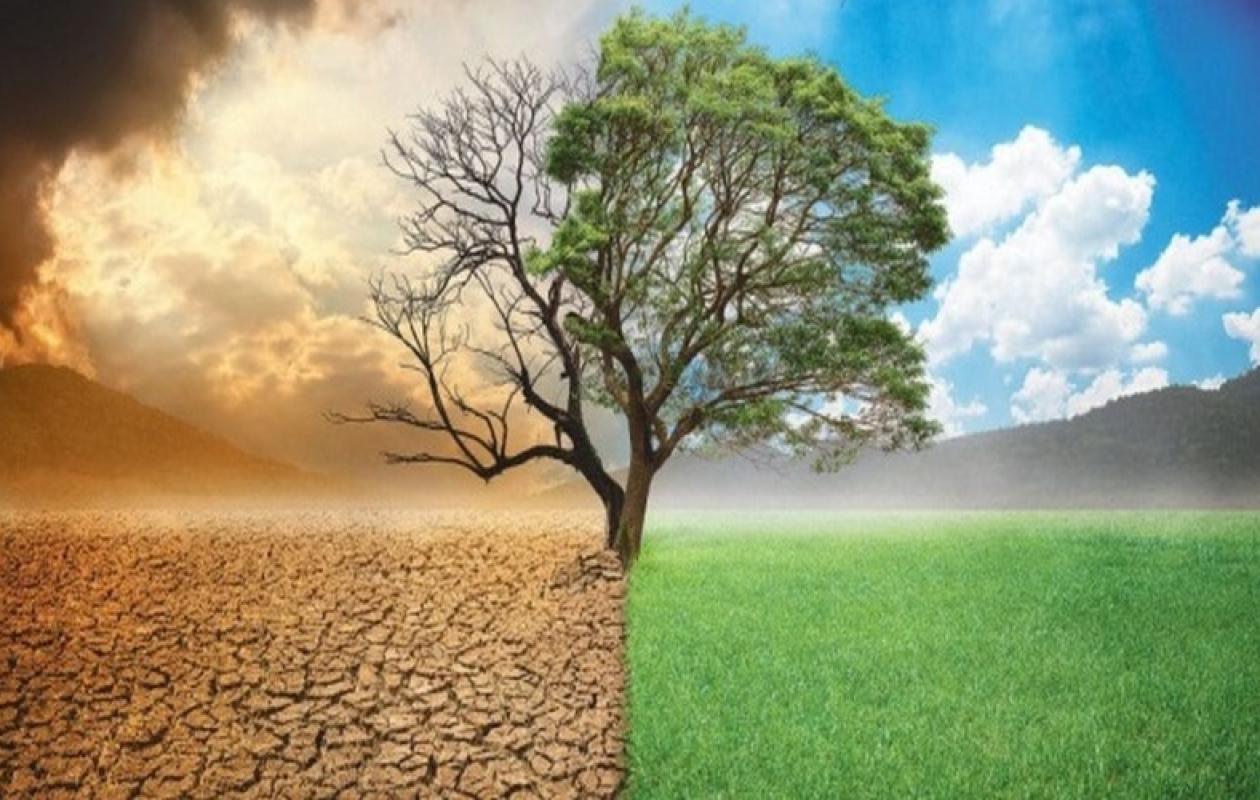
Changement climatique : Le Sénégal face aux défis de la transition durable
The Noom Hotel hosted the 5th International Symposium of the Higher Institute of Finance (ISF) on March 26th. This two-day event, focused on the theme "Climate Change and the Transition to a Sustainable and Resilient Economy", brought together international experts, academics, public decision-makers, central bank representatives and private sector actors to exchange views on the economic, financial and environmental challenges related to the ecological transition.
It aims to raise awareness among the general public and decision-makers about the challenges of sustainable development and to enhance the visibility of academic and institutional initiatives supported by the ISF.
There will also be discussions on new phenomena related to climate change and their economic and financial consequences.
During the opening ceremony, Mamadou Ndiaye, technical advisor to the Ministry of Finance and Budget, stressed the importance of the transition for the economic and financial stability of Senegal.
According to Mr. Ndiaye, available assessments show that Senegal is highly exposed to hydrometeorological risks, including droughts, floods and sea level rise.
He noted that the World Bank's 2024 diagnostic report on climate risk and disaster financing showed that between 2000 and 2022, 28 natural disasters were recorded, affecting approximately three million people and causing at least 450 deaths.
The average combined annual losses from droughts and floods are estimated at $100 million per year; the average contingent liability borne by the state is estimated at $102 million per year.
Mamadou Ndiaye also indicated that the Senegalese government has fully integrated the sustainable transition into its development model, through the National Development Strategy 2025-2029, which represents an investment program of 18,496 billion CFA francs, an implementation which aims to support an average growth of 6.5% while strengthening the economic, social and climate resilience of the country.
He also stressed that Senegal has also put in place a sustainable financing framework to mobilize the resources needed for the transition, notably through the issuance of green bonds and participation in international carbon markets.
For his part, the Director General of the Institute of Financial Sciences (ISF), Papa Diallo, welcomed the interest that the authorities are giving to the crucial issue of climate change and its impacts.
He stressed that these climate problems do not only concern Africa, but the entire world. "Climate problems concern the whole world. We therefore need to take a global approach and see how actors, such as the State, central banks and the private sector, can coordinate their actions to address these new risks," he said.
He also thanked the academic partners and participants for their presence and contribution to his discussions to find solutions to help decision-makers.





![[Édition Spéciale] Tout Sur la Composition du Nouveau Gouvernement](https://image.seneweb.com/content/news/2026-23-01//thumb_1260x800_6a1ddca812d4e_URisx1rdt4.jpg)










Commentaires (1)
Participer à la Discussion
Règles de la communauté :
💡 Astuce : Utilisez des emojis depuis votre téléphone ou le module emoji ci-dessous. Cliquez sur GIF pour ajouter un GIF animé. Collez un lien X/Twitter, TikTok ou Instagram pour l'afficher automatiquement.