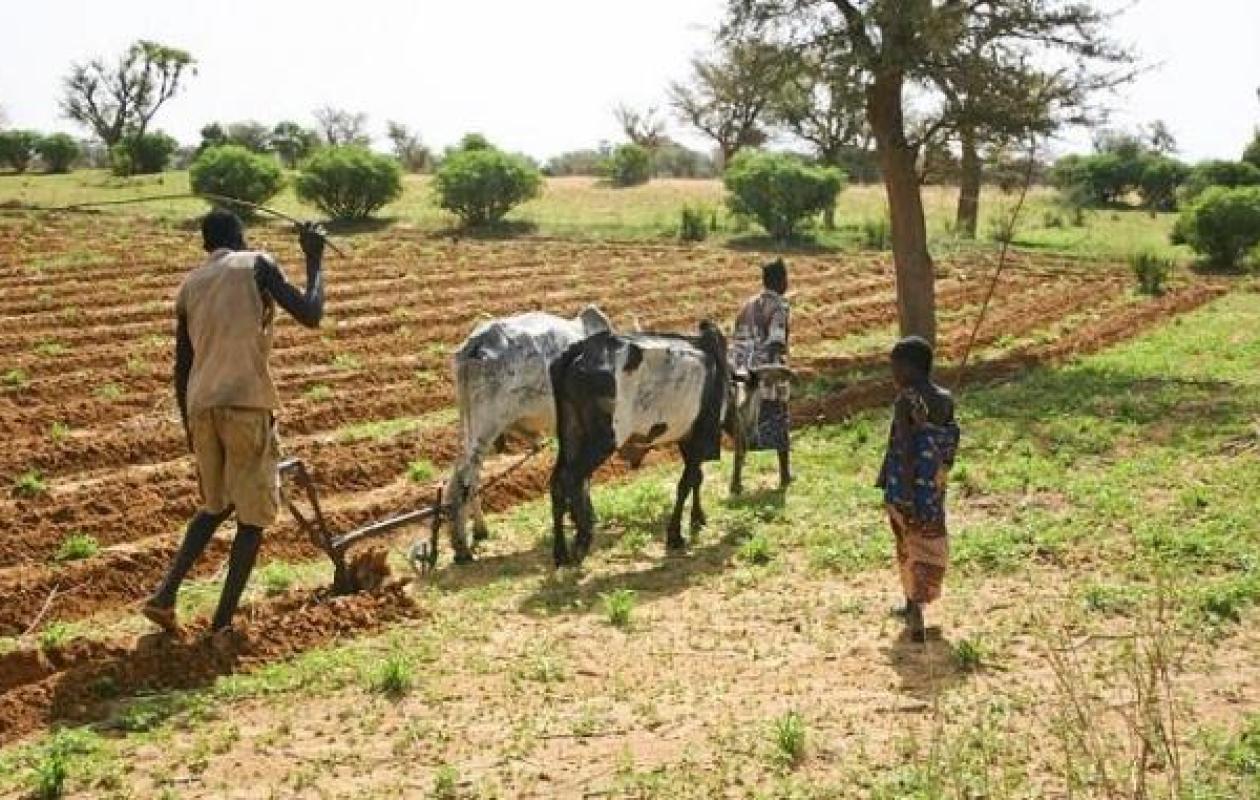
Sécheresses prolongées, saison des pluies courtes, canicules : De jeunes agriculteurs face aux défis des aléas climatiques
Several young environmental leaders and activists from Senegal and abroad, representatives of youth organizations, the Ministry of Environment and Territorial Communities, environmental NGOs and technical and financial partners are in conclave, in Thiès, from December 23 to 24, 2025. At the center of their workshop: a reflection on the impact of national environmental policies on youth and climate green funds in Senegal.
A consultation space initiated by the National Council for Consultation and Cooperation of Rural People (CNCR), focusing on climate change, which today represents one of the greatest challenges in the farming world.
This, they lament, is manifested by increasingly extreme and unpredictable weather conditions: prolonged droughts, short rainy seasons, or extreme heat waves that severely disrupt production cycles. These climatic hazards reduce agricultural yields and make farming riskier for young farmers.
Indeed, young farmers observe that "climate instability leads to increased production costs: the need for irrigation, more resistant seeds, and more efficient equipment." However, they point out, "we often have little capital to carry out our activities, which makes our situation particularly difficult."
In light of this, it is urgent to adapt to the situation by committing to more sustainable agricultural practices such as agroecology and natural resource management. At the same time, they say, implementing adaptation strategies outlined in environmental policies can be important means of addressing the effects of climate change.
This is why, the young people recall, in the national reference document Senegal 2050, in axis 3 planning and sustainable development, Senegal, in full compliance with the Sustainable Development Goals (SDGs) has adopted sustainable strategic objectives through the promotion of sustainable management of natural ecosystems and the promotion of sustainable modes of production and consumption.
In this regard, Senegal validated, last April, the National Adaptation Plan (NAP) aimed at improving the resilience of the productive base, the sustainable development of agricultural value chains, the promotion of research and the management of climate risks at a cost of 280.57 billion CFA francs.
Similarly, there are financial entities such as the Green Climate Fund which finances developing countries, including Senegal, for ecological projects.
However, agricultural actors, especially young people, face various problems, which undoubtedly have repercussions on the production and development of the sector.
The objective of the meeting is to take stock of the impact of existing environmental public policies and funding tools on young people, focusing in particular on two strategic instruments: the Nationally Determined Contribution (NDC) and the National Adaptation Plan (NAP).
























Commentaires (2)
Participer à la Discussion
Règles de la communauté :
💡 Astuce : Utilisez des emojis depuis votre téléphone ou le module emoji ci-dessous. Cliquez sur GIF pour ajouter un GIF animé. Collez un lien X/Twitter, TikTok ou Instagram pour l'afficher automatiquement.