A Paris, un arrêté obligeant les coiffeurs afro à fermer plus tôt fait du bruit
Since December, shops in Château d'Eau, a bustling neighborhood in the north of Paris, have been forced to close at 8:00 p.m. to avoid disturbances, particularly noise. This decision has serious consequences for Afro hairdressers, who lament having "lost so much."
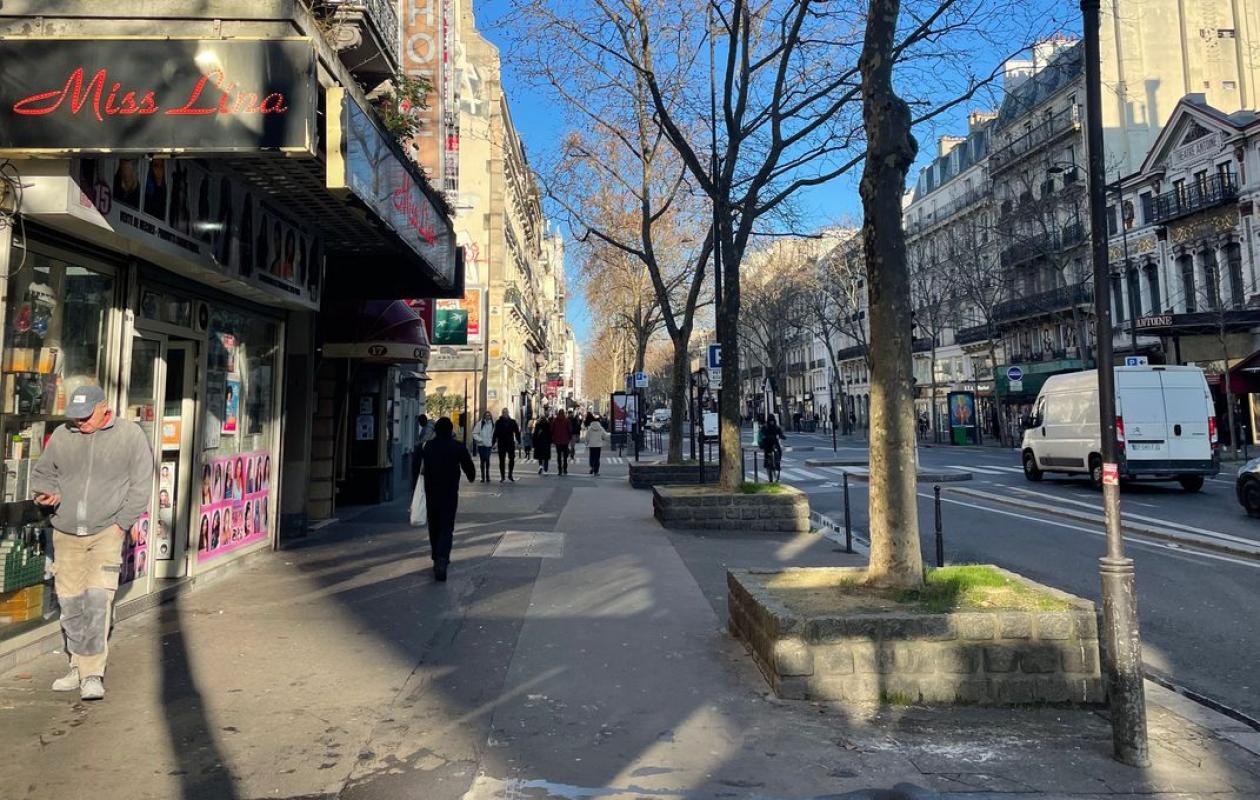
Dense and cosmopolitan, this neighborhood in the 10th arrondissement is renowned for its many beauty salons frequented by the African and Caribbean diaspora. The small, row-on-row shops compete with each other with enticing window displays filled with colorful cosmetics and long wigs.
In these salons, dozens of employees work around their clients' heads, combing, braiding, adding highlights, and straightening. A meticulous art that requires several hours of work.
To fit these time-consuming appointments into her schedule, Mélissa, a regular in the neighborhood, has gotten into the habit of coming in late afternoon. "I finish at 5:00 p.m. By the time I get to Château d'Eau, it must be 6:00 p.m., 6:20 p.m....", estimates the 26-year-old woman as she leaves a salon where she has opted for sleek braids and long extensions pulled back into a ponytail.
Given the time required for hairdressing, closing at 8 p.m. "is not very practical," sighs this employee in the home care sector.
Since December 2024, a decree from the police headquarters, renewed at least until November 30, imposes new hours on the Château d'Eau shops, considering that closing too late "generates numerous nuisances."
Like Melissa, dissatisfied clients may be tempted to turn to other salons in the capital or opt for home hairdressers. "We have no more clients, everyone has fled," says Salimatou, who has worked for 15 years at "Emmy Joy," the filming location for the comedy "La Vie de Château" (2017).
"There's been a huge drop in turnover. We can't even pay our rent anymore," laments the hairdresser, busy braiding long red locks amidst the elegant woodwork adorning the salon's walls.
Nighttime activity in the area is said to be leading to "abusive occupation of public space due to gatherings of people, sometimes drunk" and a "resurgence of criminal acts," according to the police prefecture order signed in May.
A resident of Boulevard de Strasbourg - the neighborhood's main artery - for more than 20 years, Delphine Martin says she is exasperated by "the music, the shouting, the raised voices" in her street, and by "the olfactory nuisances that come from the toxic products" used by beauty salons.
"Sidewalks and bike parking lots have been turned into waiting rooms," complains the president of a residents' association. "We can't open our windows in the summer," she continues, strongly supporting the prefectural decree, which is "a major step forward."
Christian Sidibé, the owner of an establishment in the area for ten years, refuses to take responsibility for the nuisance, which he says is caused "by people in the street" who have nothing to do with the salons.
The businessman, who anticipates a loss of "8,000 to 10,000 euros" in one year, and 26 other local traders challenged the order in court, but their appeal was dismissed.
Imposing an 8 p.m. closure is "a strategy of suffocation," accuses their lawyer, Bernard Solitude, since the shopkeepers "will pay for certain people who commit abuses for which they are not responsible."
"There are other solutions," the lawyer suggests, such as "more police presence, more regularly, so that we punish these people and leave the shopkeepers alone."
"It's not about transforming or changing the DNA of the neighborhood," Alexandra Cordebard, mayor of the 10th arrondissement, wants to reassure. The Socialist Party representative would ultimately like to "restore balance" through dialogue, "without the need for a prefectural decree."























Commentaires (20)
Je comprends parfaitement l'attitude des occidentaux à l'égard de certains africains. L'Europe ne peut pas avoir mis autant de moyens matériel, humains et immatériels pour bâtir un modèle de société organisé avec une population respectueuse de la chose public et du bien être collectif et accepter que nous africains, par nos comportements inacceptables, mettions à terre ce modèle.
Il nous faut faire notre propre introspection avant de taxer les européens de racistes
Votre titre n’aurait-il pas pour objectif de faire passer les coiffeurs africains comme des victimes ?
On ne les oblige pas à baisser rideau plus tôt, on leur rappelle tout simplement qu’il faut qu’ils respectent les horaires de travail de la branche professionnelle qui est la leur.
Qui a pillé le continent, freiner l'education, etc ? Je vous le demande...
Blamons, ok! Mais remontons-en aux causes.
Participer à la Discussion
Règles de la communauté :
💡 Astuce : Utilisez des emojis depuis votre téléphone ou le module emoji ci-dessous. Cliquez sur GIF pour ajouter un GIF animé. Collez un lien X/Twitter, TikTok ou Instagram pour l'afficher automatiquement.