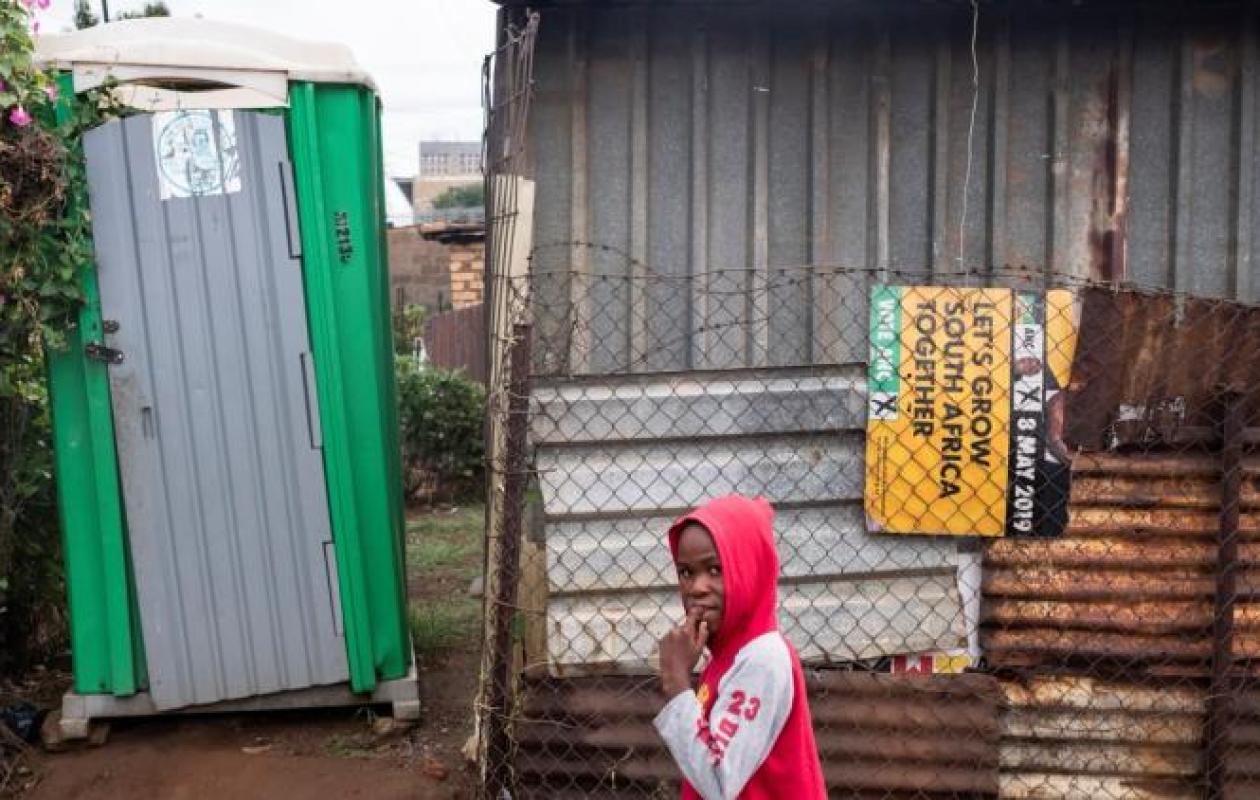
Journée mondiale des toilettes : 354 millions de personnes pratiquent encore la défécation à l'air libre
This Wednesday, November 19th, marks World Toilet Day. A topic that might seem amusing, but the stakes are high for health, the environment, and the economy. Here are the key figures.
“We will always need toilets” is the slogan chosen by the United Nations for this year’s World Toilet Day. The topic is particularly relevant since even today, billions of people still lack access to safe toilets. Those most affected by this problem are the poorest populations, especially women and girls.
Open defecation, a dangerous but still common practice
To date, 354 million people still practice open defecation (expelling feces). This practice greatly increases the risk of disease or bodily harm, particularly for women and girls.
This practice exposes them to an increased risk of violence and sexual exploitation. For girls, the lack of toilets at school forces them to attend school during their periods.
Overall, open defecation is steadily decreasing, but the United Nations' goal of eliminating it by 2030 requires an acceleration in toilet use. This development is necessary in rural areas, particularly in Central and South Asia, East and Southeast Asia, and sub-Saharan Africa.
Nearly half of the world's population lives without sanitation services
By 2025, 3.4 billion people will still be living without access to safe sanitation. It's important to remember that sanitation plays a vital role in public health. It enables the collection of wastewater for treatment and purification before its release.
Inadequate sanitation systems are responsible for very poor water quality and, consequently, the proliferation of numerous bacteria. Studies show that at least 2 billion people worldwide drink water from a source contaminated with fecal matter.
This unsanitary water is responsible for the deaths of a thousand children under the age of five every day. The UNICEF and WHO report reminds us that millions of lives could be saved if everyone had decent access to sanitation.
Environmental and financial issues
The role of toilets and sanitation services is crucial for environmental protection. Indeed, when fecal matter is disposed of improperly, it can contaminate drinking water sources and soil. By promoting these infrastructures, local populations can prevent environmental pollution and help safeguard their water resources for future needs.
In addition to ensuring the sustainability of resources, studies conclude that every dollar invested in basic health services yields up to five dollars in return. This is due to the reduction in disease, the increased productivity, and the job creation required to establish and operate these facilities.
At the current rate of development, 3 billion people will still be living without safe toilets in 2030.





















Commentaires (6)
Participer à la Discussion
Règles de la communauté :
💡 Astuce : Utilisez des emojis depuis votre téléphone ou le module emoji ci-dessous. Cliquez sur GIF pour ajouter un GIF animé. Collez un lien X/Twitter, TikTok ou Instagram pour l'afficher automatiquement.