RELIGION : QU'EST-CE QUE LA SEMAINE SAINTE QUI COMMENCE CE DIMANCHE ?
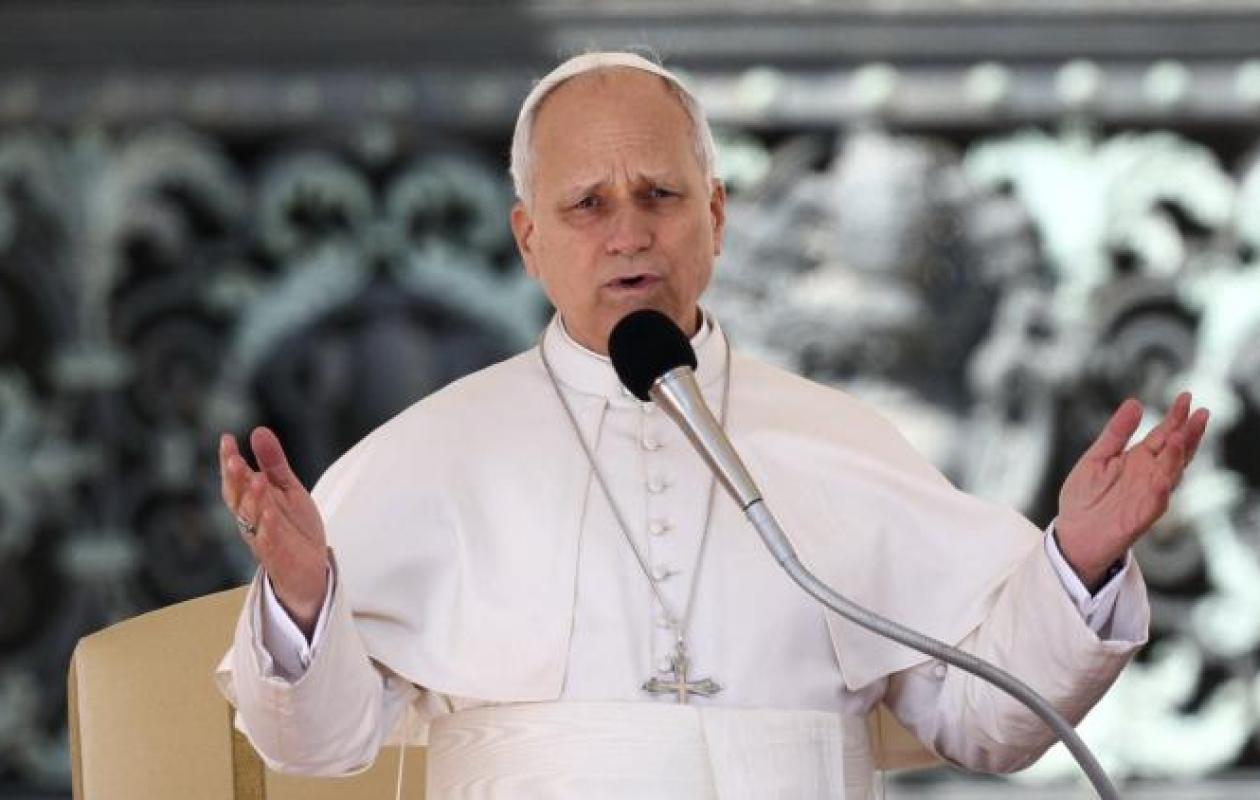
By celebrating Palm Sunday on March 29, Catholics will enter "Holy Week," which will culminate on April 5 with Easter. But what is the meaning of this very special week?
This is undoubtedly the most important week of the liturgical year for Catholics. From this Sunday, March 29, until Sunday, April 5, the Church will commemorate both the arrival of Jesus in Jerusalem, his arrest, his death and his resurrection.
During Palm Sunday celebrations, it is traditional for Catholics to bring branches of boxwood or palm to church, which are blessed during Mass and kept at home throughout the year. This symbol recalls Christ's entry into Jerusalem, where, according to the Gospels, he was welcomed as King of the Jews by a jubilant crowd waving palm branches.
THE "FOOT WASHING", A HIGHLY SYMBOLIC RITE
This festive Palm Sunday day introduces a week of more somber tone. In Jerusalem, Jesus was arrested and condemned to death. Holy Thursday commemorates the Last Supper, the final meal Jesus shared with his disciples, during which, according to Catholic faith, he instituted the Eucharist, offering his body and blood in bread and wine for the salvation of humanity.
The priest also performs the rite of the "washing of the feet," washing the feet of 12 people from the congregation, as a sign of Jesus' love for humanity. Following this Mass—which is also the feast day of priests—the church bells fall silent until the evening of Holy Saturday, the Easter Vigil.
THEN COMES THE MORE SORRY TIME OF THE "PASCAL TRIDUUM"
We enter the time of the "Paschal Triduum," three days of mourning and waiting that commemorate the Passion of Christ. On Good Friday, the faithful participate in the "Way of the Cross," representing, through 12 "stations"—as the term is used—the journey of Jesus from his arrest, his ascent to Calvary, and his death on the cross, to his burial. They also celebrate the "Passion" of Christ, during which the entire account in the Gospels is read.
On Saturday evening, Easter Eve, the vigil of the Resurrection takes place, beginning in the churchyard. The celebrant lights a fire, and the entire congregation carries candles, symbolizing the victory of light over the darkness of death. To the sound of bells ringing out after three days of silence, the Gloria – Glory to God – is sung, a hymn that had been omitted from the celebrations during the 40 days of Lent.
It is also the night when believers renew their baptismal vows, and when adults who have prepared to receive this sacrament during the year are baptized. The following day, Easter Sunday, Catholics proclaim the resurrection of Christ and greet one another with an ancient formula: "Christ is risen, Alleluia!"; "He is risen indeed, Alleluia!"
In St. Peter's in Rome, on the steps of the richly flowered basilica, the head of the Catholic Church gives his famous Urbi et Orbi blessing – to the city and to the world – reserved for great occasions.
















Commentaires (0)
Participer à la Discussion
Règles de la communauté :
💡 Astuce : Utilisez des emojis depuis votre téléphone ou le module emoji ci-dessous. Cliquez sur GIF pour ajouter un GIF animé. Collez un lien X/Twitter, TikTok ou Instagram pour l'afficher automatiquement.