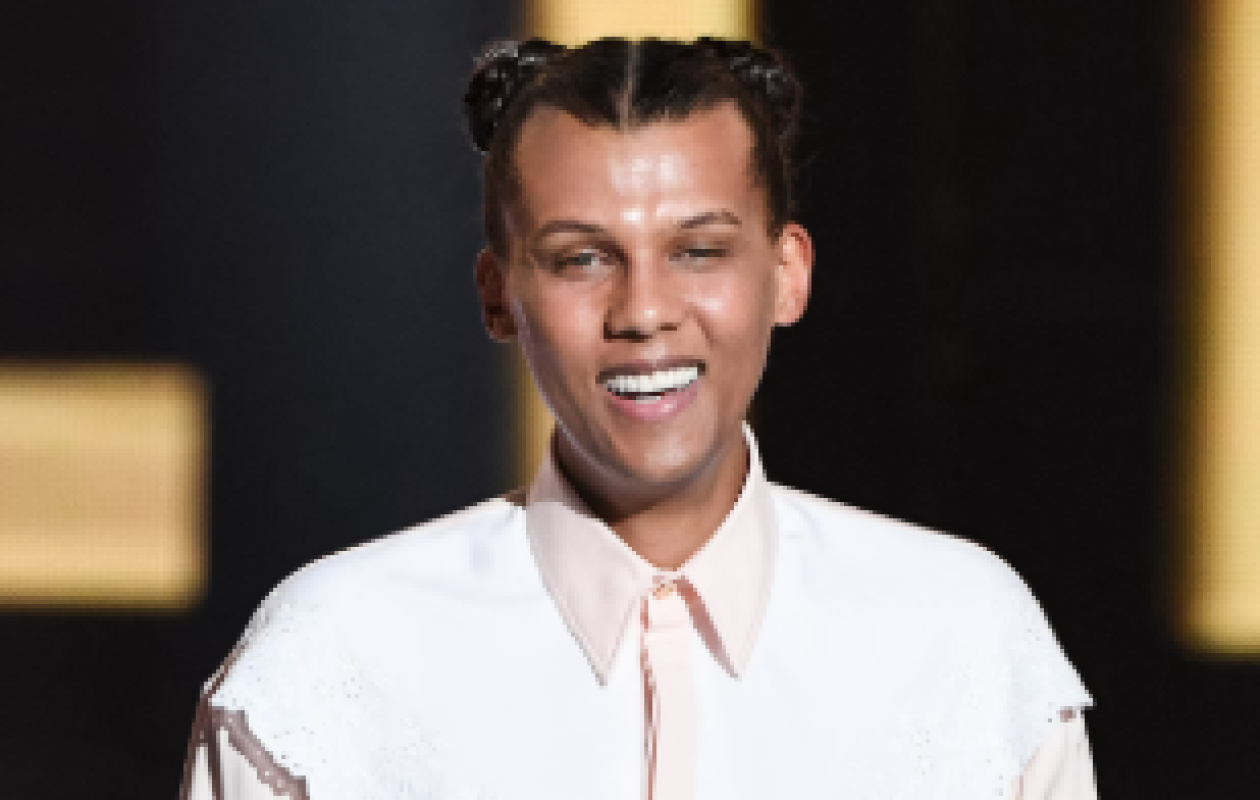
Une reprise IA de “Papaoutai” de Stromae cartonne et questionne: quid des droits d’auteur?
An AI-generated version of “Papaoutai” has been widely shared on social media. While some users easily spot the AI, others don't. Even more problematic: what about copyright, given that tens of millions of people have listened to this cover?
On December 20th, a new song appeared in Spotify's catalog. It had already been circulating informally on TikTok since at least the beginning of the month. Given its growing popularity on the Chinese social network, the track was released on the Swedish platform by an "independent" label, also from Sweden, called Unjaps.
The music is familiar to music lovers, as it's a cover of Stromae's song "Papaoutai." The unique aspect of this version is that no human actually sings; it's entirely generated by artificial intelligence (AI).
A label accustomed to AI covers
Since the beginning of January, the song has been a resounding success. It has climbed into Spotify's top 100 most-streamed tracks, achieving notable popularity in several countries, including the United States. On YouTube, accounts have been covering this "Afro Soul" version of "Papaoutai," racking up millions of views. Numerous videos on TikTok and Instagram also feature this cover as background music.
The precise origins of this cover remain unknown, but this isn't Unjaps' first foray into this area. As RTBF points out, the label has also used AI (without mentioning it on its website) for songs by Rihanna and Daft Punk. An "Afro Soul" version of Indila's song was also generated.
In the case of “Papaoutai,” Belgian public television noted a striking resemblance between the sound and an atmosphere reminiscent of The Lion King. The song's artwork also depicts a savannah, often with a sunset, much like the Disney animated film. Did the creators of this version ask AI to create a blend of The Lion King, Stromae, and an African-inspired sound? No information has been released on this subject.
“Don’t tell me that’s AI?”
On social media, some users suspect the use of artificial intelligence. “Don’t tell me it’s AI?” some comment, while others believe that real humans are singing. A Congolese artist named Arsène Mukendi fueled the confusion by filming himself at a microphone with the song “IA” playing in the background. According to him, he simply wanted to “give a face” to this cover.
On streaming platforms, Deezer has categorized the song as AI-generated and alerted its users accordingly. Spotify has not done so and has yet to comment on the matter. However, the AI's influence is undeniable, as Brecht De Man, head of PXL-Music, told VRT. “The music sounds too perfect. It's like a typical pop song, without anything that really stands out. You can also hear a similar effect to that of an MP3 in the vocals,” he explained.
The issue is multifaceted. What about copyright? Can these covers be monetized? If so, could Stromae sue Unjaps? Where is the line between acceptable and unacceptable? And finally, what does Stromae think, especially regarding such a personal song, “Papaoutai,” which recounts the absence of his father, murdered during the genocide against the Tutsi in Rwanda in 1994? For now, the artist has not yet officially responded.
















Commentaires (6)
Wassalam
Pour une fois j’aime l’IA.
Participer à la Discussion
Règles de la communauté :
💡 Astuce : Utilisez des emojis depuis votre téléphone ou le module emoji ci-dessous. Cliquez sur GIF pour ajouter un GIF animé. Collez un lien X/Twitter, TikTok ou Instagram pour l'afficher automatiquement.