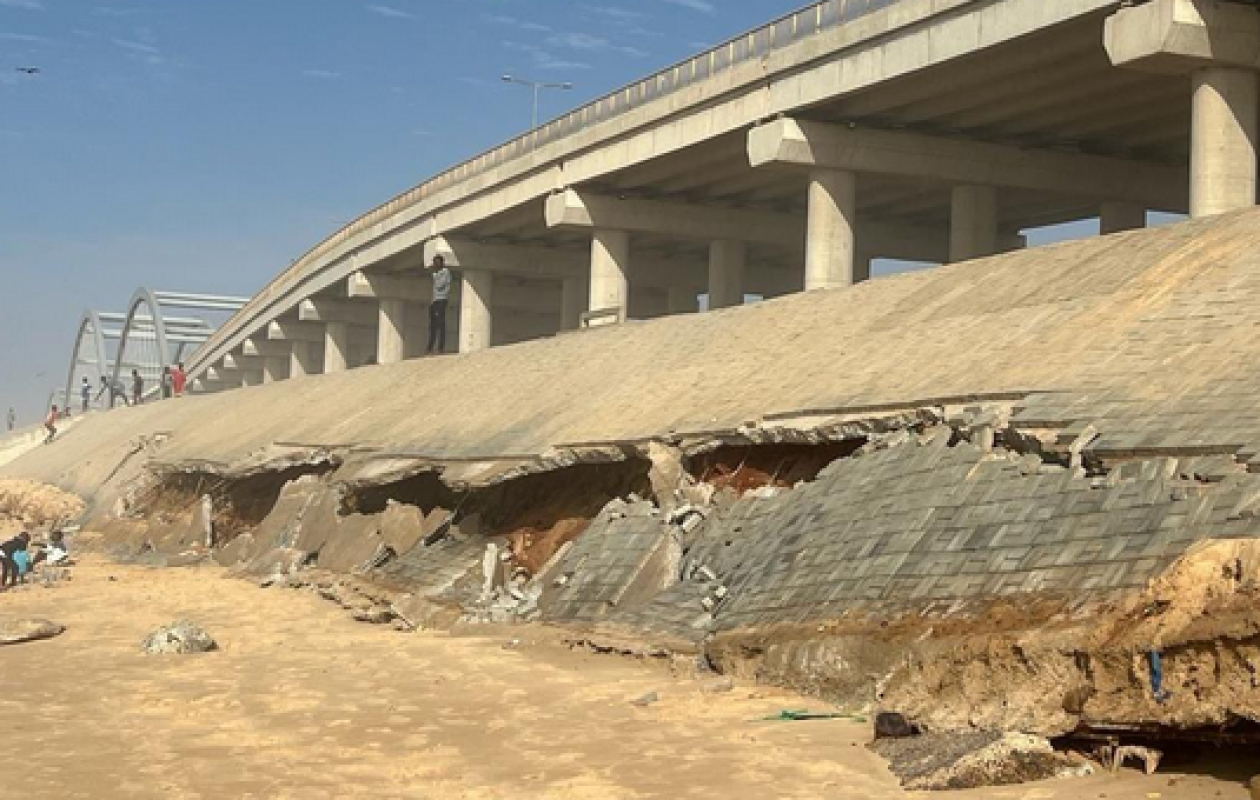
Afrique : bâtir des infrastructures durables avec des solutions basées sur la nature
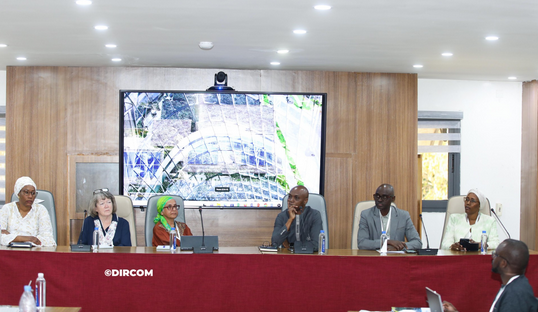
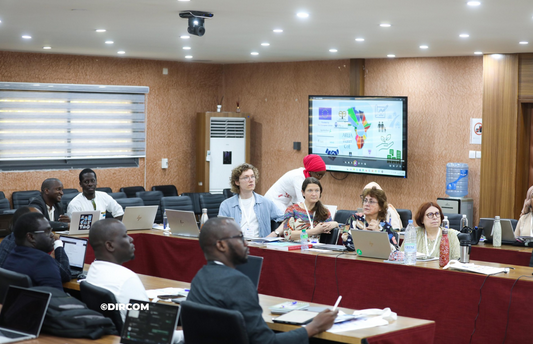
Building resilient infrastructure by leveraging nature is the mission of the "Nature-Based Solutions for African Resilience" (Nbs4AfrRes) project. The idea is to move beyond traditional engineering to integrate innovative solutions such as local knowledge. To this end, a training workshop for trainers is being held at Cheikh Anta Diop University in Dakar from March 23 to 27. This initiative aims to support the establishment of an inter-university master's program dedicated to resilient infrastructure and nature-inspired solutions.
The project, which includes UCAD, the Polytechnic School of Thiès, University of Cape Town and Rhodes University, aims to promote new fields of study and to integrate approaches combining engineering, climate issues and social sciences into training programs.
Professor Serigne Faye, coordinator of the project at UCAD, highlighted the limitations of traditional training models, characterized by a compartmentalization of disciplines. According to him, the complexity of current challenges now necessitates an integrated approach, based on the synergy between engineering, environmental sciences, and humanities.
Co-chairing the opening ceremony alongside the director of the Institute of Environmental Sciences (ISE-UCAD), El Hadji Mamadou Sonko, the director of the Polytechnic School of Thiès, Professor Mamadou Wane, noted that his institution has already begun integrating these solutions into its curricula. He emphasized the need to train trainers to ensure students effectively adopt these approaches and adapt them to local contexts.
For his part, the project coordinator at EPT, Ababacar Fall, emphasized the importance of training a new generation of engineers capable of going beyond traditional engineering. According to him, this involves integrating ecological, societal, and local knowledge to promote a new paradigm for designing infrastructure that is more resilient to climate change. "The goal is to transition to solutions that are gentle, ecological, and on a human scale," he stated.
Beyond resilience, nature-based solutions also appear to be a response to the financial constraints faced by African countries regarding infrastructure. From design to maintenance, traditional approaches require significant investments, while solutions co-developed with local communities help reduce costs.
Within this context, Jill Slinger advocated for a development model specific to the African continent, breaking with Western models. She called for building development in harmony with local realities and ecosystems.
Ultimately, the Nbs4AfrRes project aims to contribute to the training of African experts capable of leading a sustainable ecological transition, adapted to the contexts of the continent.












![[ EXCLUSIF ] Plus de 25 millions volés à un magistrat du PJF à son domicile : son fils arrêté en flagrant délit par la sûreté urbaine](https://image.seneweb.com/content/news/2026-25-21//thumb_1260x800_6a3810538bbae_hxf6ZueZvp.jpeg)











Commentaires (3)
Participer à la Discussion
Règles de la communauté :
💡 Astuce : Utilisez des emojis depuis votre téléphone ou le module emoji ci-dessous. Cliquez sur GIF pour ajouter un GIF animé. Collez un lien X/Twitter, TikTok ou Instagram pour l'afficher automatiquement.