Agriculture : Vers une stratégie nationale de souveraineté semencière
Agriculture remains at the heart of the Senegalese economy. It contributes 15.4% to the GDP and accounts for nearly a third of jobs, according to the ANSD and the ILO (2022). But despite this central role, its potential remains limited by numerous challenges: climatic hazards, difficulties accessing inputs, and a lack of storage and processing infrastructure.
Among these constraints, the issue of seeds occupies a strategic place. While their certified use can ensure 30% of the success of an agricultural campaign, the rate remains low: only 6% for cereals and 15% for peanuts, while almost all market garden seeds are imported, representing an annual expenditure estimated at between 20 and 30 billion CFA francs.
It is in this context that a workshop opened this Friday in Dakar. The objective is clear:
Thus, to define its roadmap enabling Senegal to strengthen its autonomy, an essential condition for achieving food sovereignty, the Ministry of Agriculture, Food Sovereignty and Livestock initiated a national conclave on the seed sovereignty strategy.
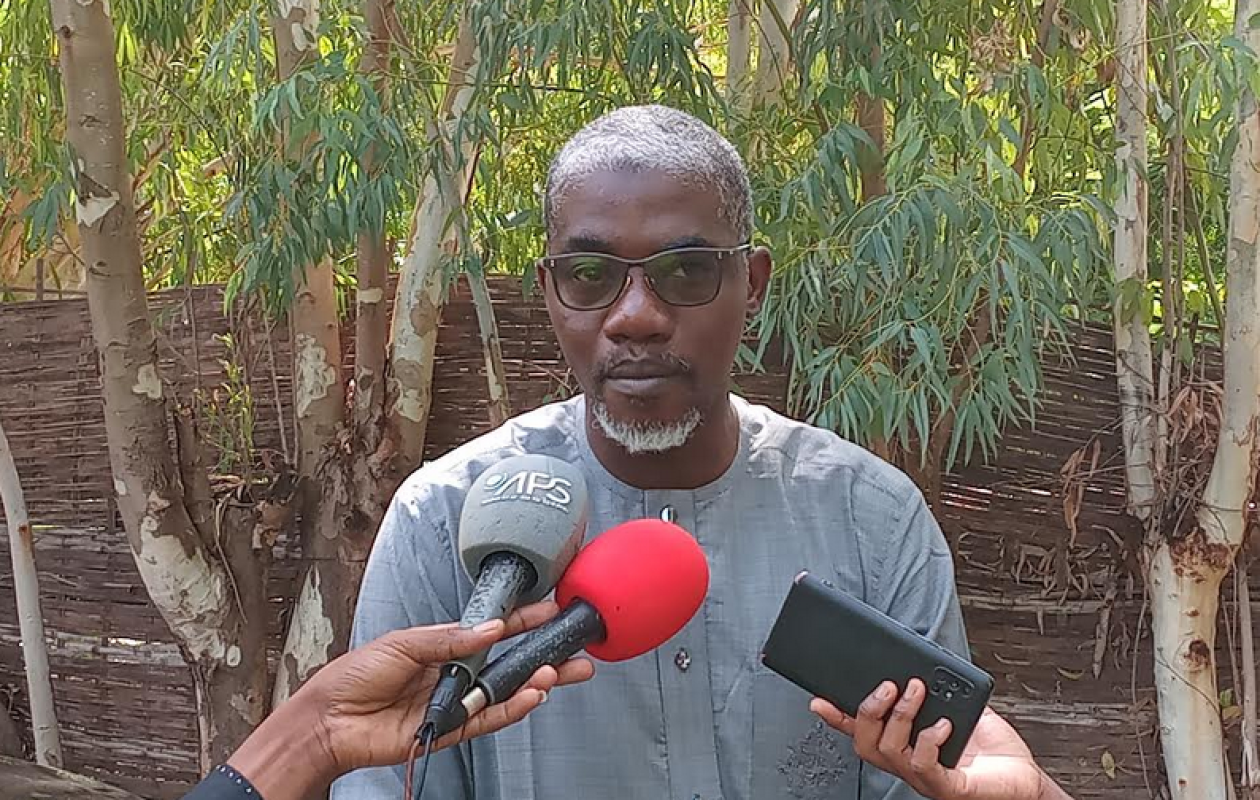
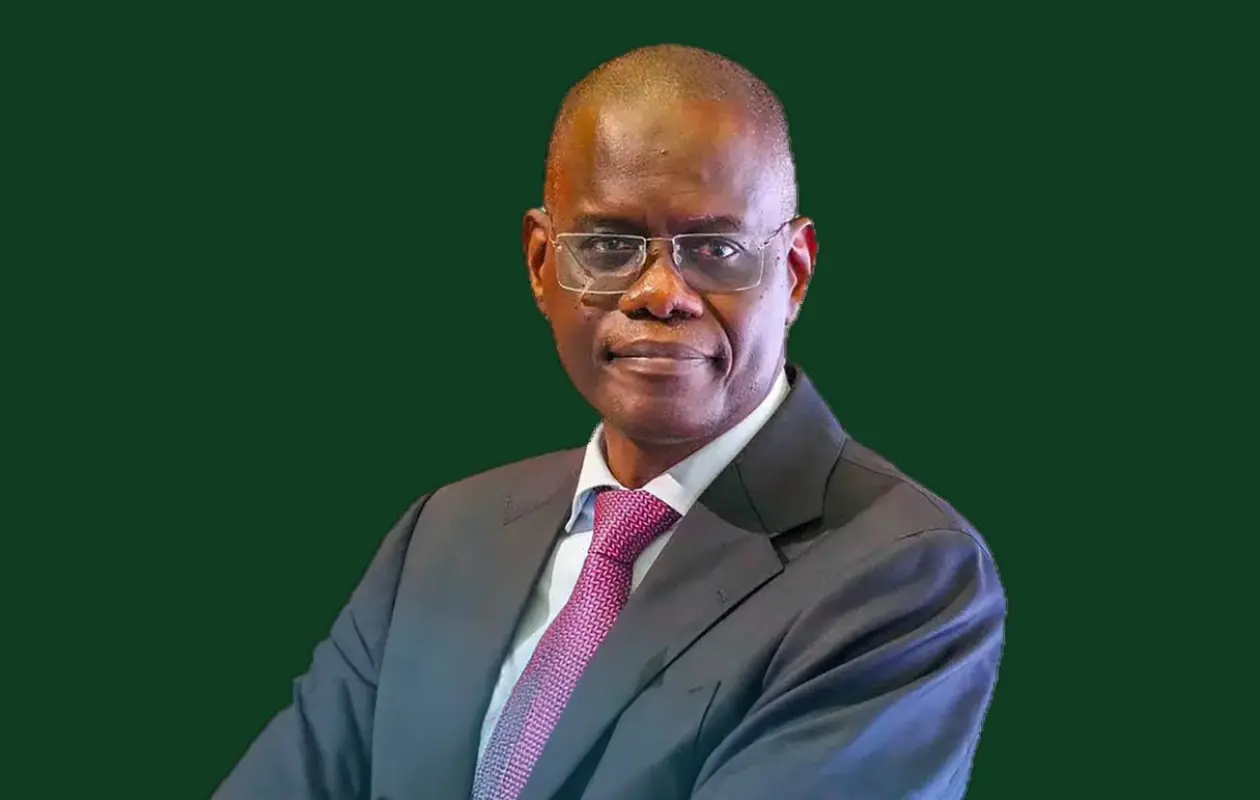
According to Alpha Ba, Minister and Secretary of State for Cooperatives and Peasant Supervision: "We cannot talk about food sovereignty without seed sovereignty. Recent crises, such as Covid-19 or the war in Ukraine, have demonstrated the vulnerability of countries dependent on imports."
He specified that the strategy will not only concern peanuts, but all sectors, from cereals to horticultural crops, with a clear monitoring and evaluation system.
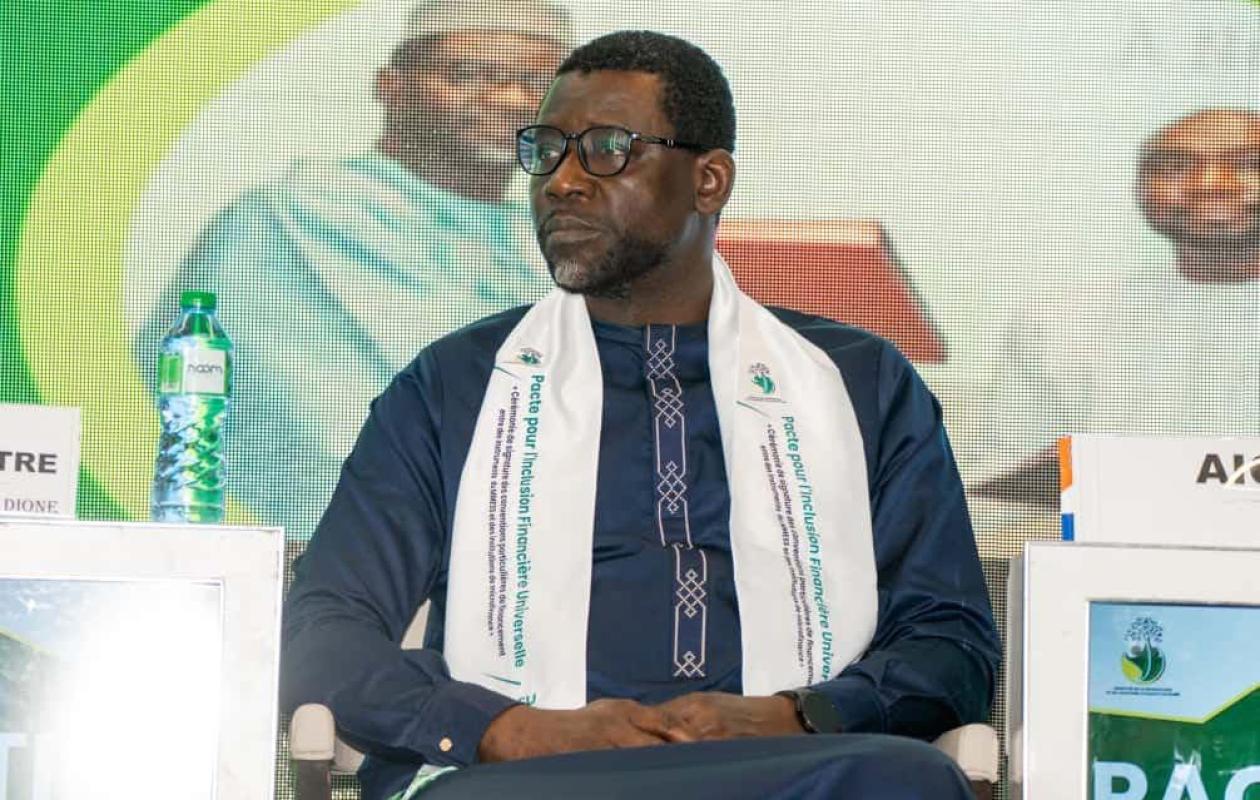
The workshop brought together the ministry's central departments, technical services, the banking sector, as well as experts and former officials from Senegal's seed system. The aim is to identify concrete solutions around three areas: local production, dissemination of improved varieties, and access to subregional markets.
"Senegal spends a lot of money purchasing seeds abroad. If we only consider horticultural seeds consumed in Senegal, Senegal spends almost 20 to 30 billion annually. So this money spent abroad can have an impact at the local level," the minister said, calling for the mobilization of all stakeholders to build an ambitious and realistic national strategy.
At the end of the work, a reference document will serve as a roadmap to guide public policies and investments in seeds.












Commentaires (10)
Les paysans savent se débrouiller seuls pour sélectionner leurs semences. Personne n'a aidé les foutanké pour le niébé fouta.
La seule vraie urgence c'est l'EAU.
Participer à la Discussion
Règles de la communauté :
💡 Astuce : Utilisez des emojis depuis votre téléphone ou le module emoji ci-dessous. Cliquez sur GIF pour ajouter un GIF animé. Collez un lien X/Twitter, TikTok ou Instagram pour l'afficher automatiquement.