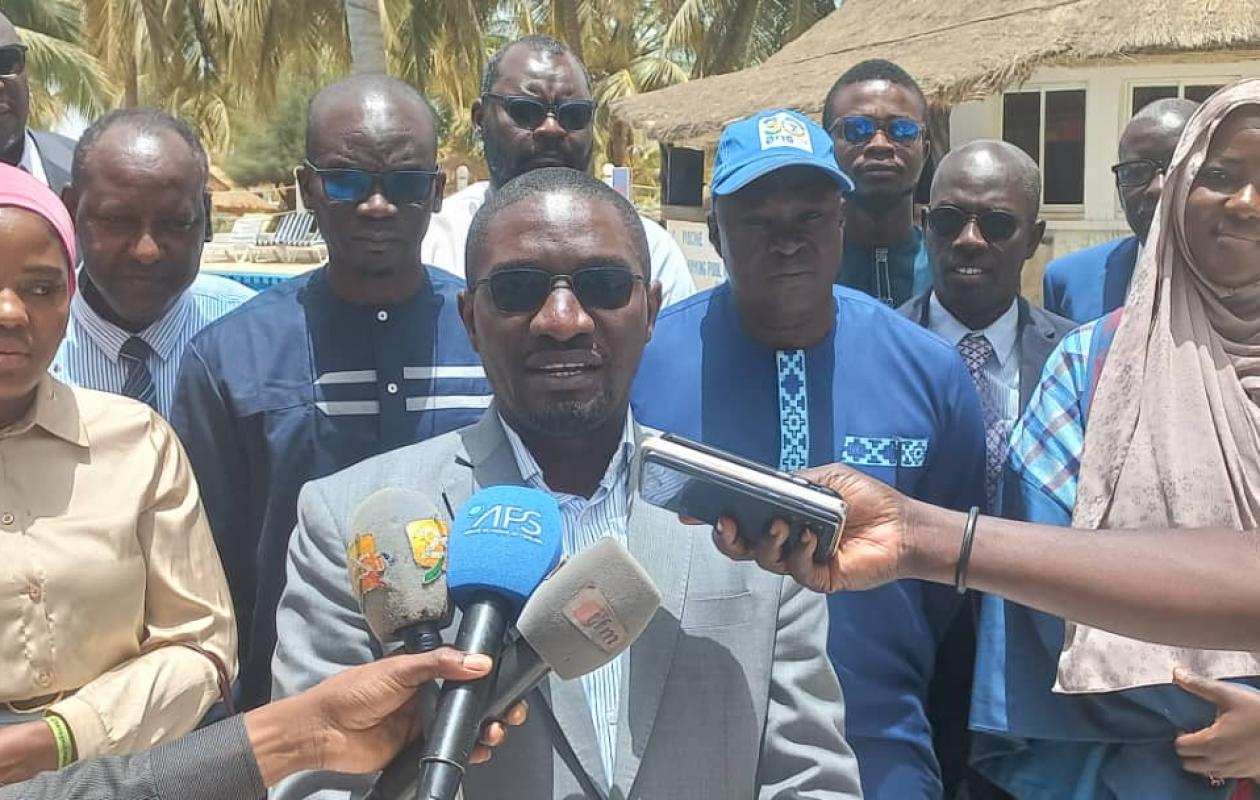
Évaluation de la CRCE : Olivier Boucal annonce des réformes pour moderniser la reconnaissance des diplômes
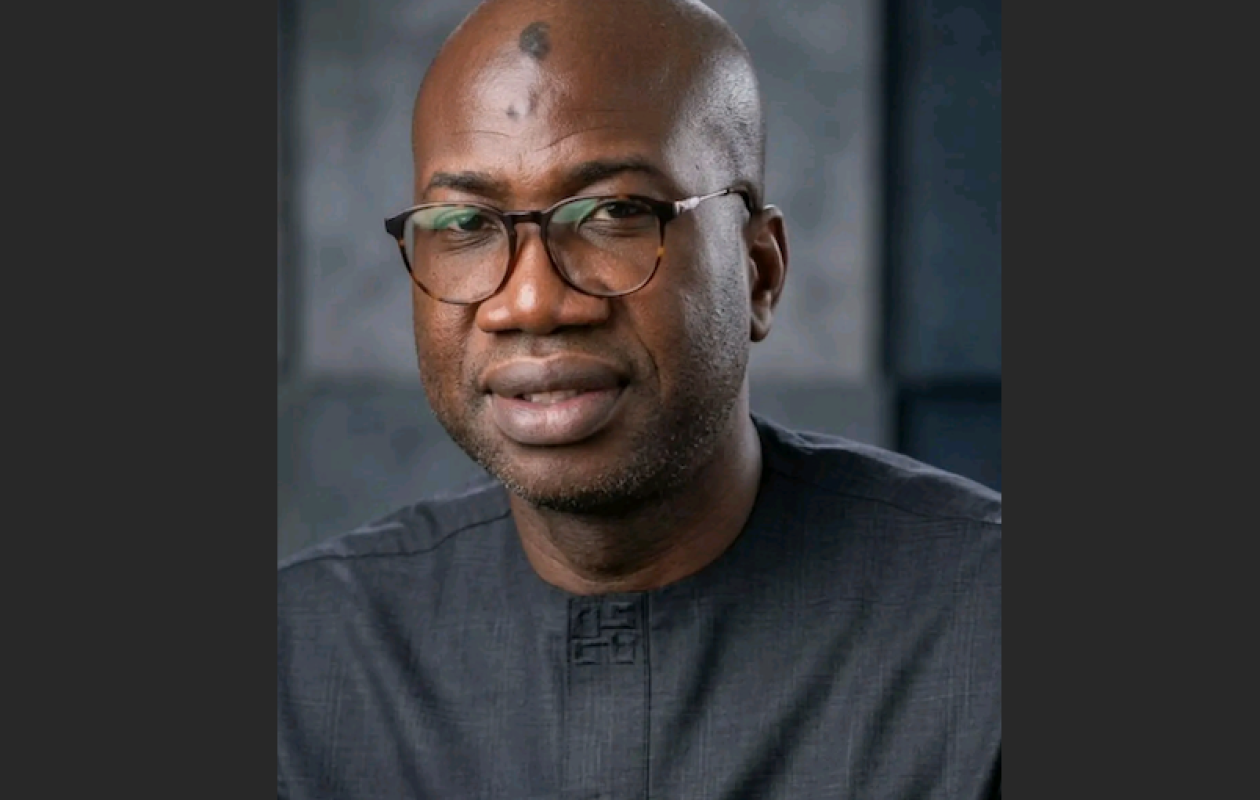
The Minister of Public Service and Public Service Reform, Olivier Boucal, chaired a workshop dedicated to evaluating the Technical Commission for the Recognition, Classification, and Equivalence of Diplomas (CRCE), ten years after its establishment. The meeting aimed to identify shortcomings in the system and lay the groundwork for reforms designed to strengthen the credibility of the diploma recognition system in Senegal.
According to the minister, this evaluation responds to a need to "ask the right questions" about the achievement of the objectives assigned to the commission since its creation.
“This workshop allows us to assess and plan for the necessary reforms that will be required to better define the initial objective, which is precisely to enhance the credibility of career paths within the Senegalese education system. The commission has carried out a number of missions over the past ten years. Today, it is clear that there have been developments and that Senegal has adopted a new framework. We need to determine what alignment needs to be made, what adaptations are necessary, what reforms are required, and what developments and reforms are needed,” stated Olivier Boucal, emphasizing that the changes in the educational and administrative system now necessitate an adaptation of the existing framework.
Established by Decree No. 2015-582 of May 11, 2015, amended in 2021, the CRCE (Regional Commission for the Recognition, Classification, and Equivalence of Diplomas Obtained in Senegal or Abroad) is responsible for examining applications for recognition, classification, and equivalence of diplomas obtained in Senegal or abroad. However, the commission currently faces several challenges, including the proliferation of training programs, the increasing number of private institutions, and the ever-growing volume of applications.
The minister indicated that a commission will soon be established to examine the recommendations resulting from the work and to define a reform timetable. Among the main areas discussed are the digitalization of procedures, improving the speed of processing applications, the creation of a unified database of recognized diplomas, and better coordination with the National Authority for Quality Assurance in Higher Education (ANAQ-Sup).
"The commission encountered several constraints, notably a proliferation of training offers and the multiplication of training schools. And we need to see if this aligns with what Senegal aims to achieve with the creation of ANAQ-SUP."
Following these assessments, recommendations were made... The reforms will affect several areas. First, they will concern career paths, but all procedures must be digitized because the need for speed arises daily, as we see a proliferation of requests for qualification and recognition of diplomas as we evolve. New training programs are also emerging at universities and private training institutions,” emphasized Olivier Boucal, believing that modernizing the CRCE (Regional Commission for Civil Service Evaluation) is essential to guarantee the reliability of recruitment in the civil service and to better utilize the state's human resources.
The workshop also aims to examine the legal framework governing the recognition and equivalence of diplomas, analyze the relationships between the CRCE (Regional Commission for the Evaluation of Professional Certifications), universities, and sectoral ministries, and assess the commission's technical and material resources. Ultimately, the authorities intend to make the CRCE a central lever for professionalizing the public administration, in line with the Senegal 2050 National Transformation Agenda.










Commentaires (3)
Participer à la Discussion
Règles de la communauté :
💡 Astuce : Utilisez des emojis depuis votre téléphone ou le module emoji ci-dessous. Cliquez sur GIF pour ajouter un GIF animé. Collez un lien X/Twitter, TikTok ou Instagram pour l'afficher automatiquement.