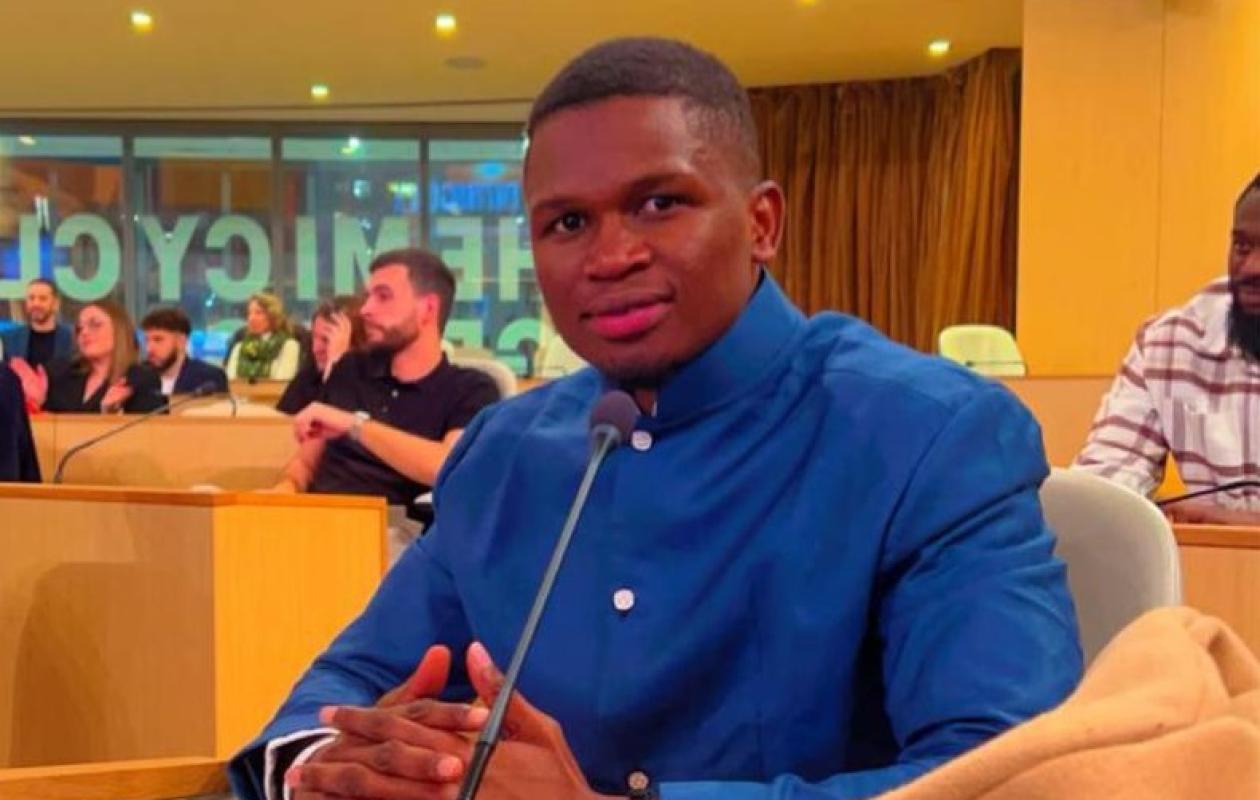
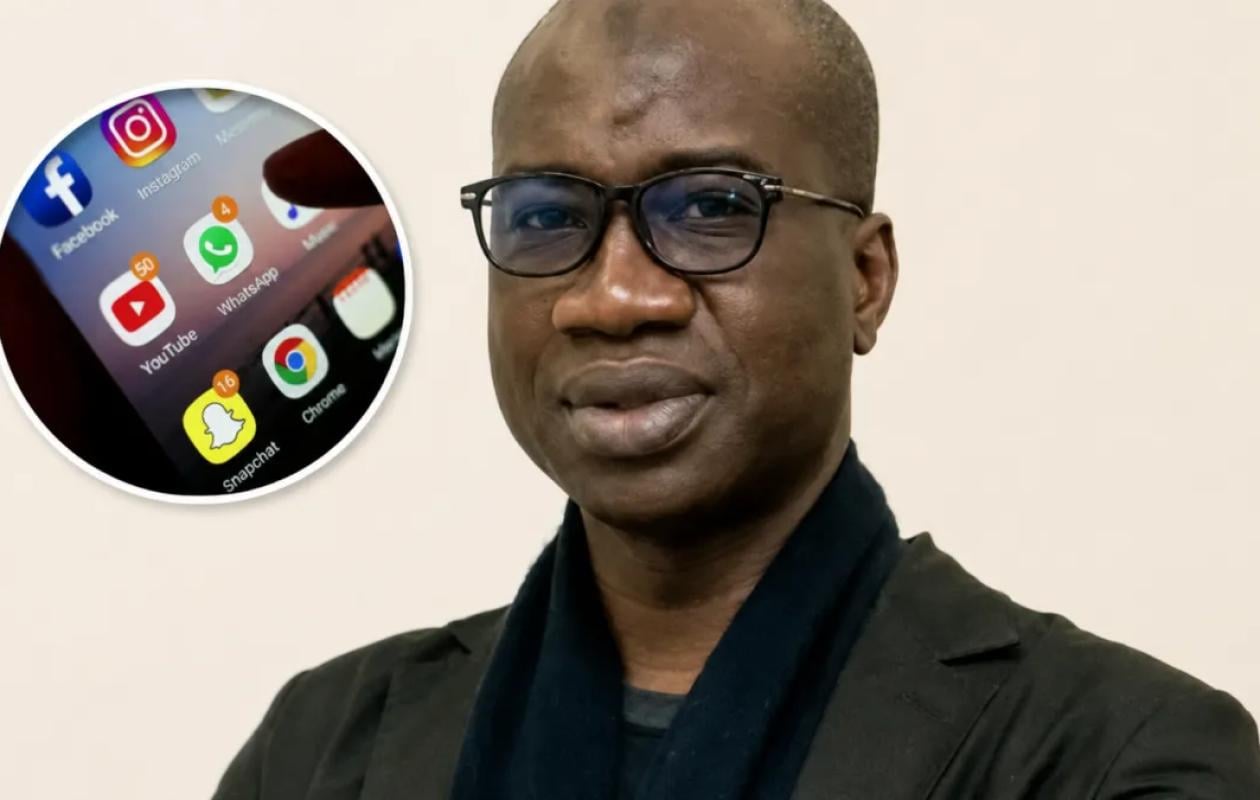
Inondations : Ndemba Diallo, géographe-urbaniste, propose des solutions pour en finir !
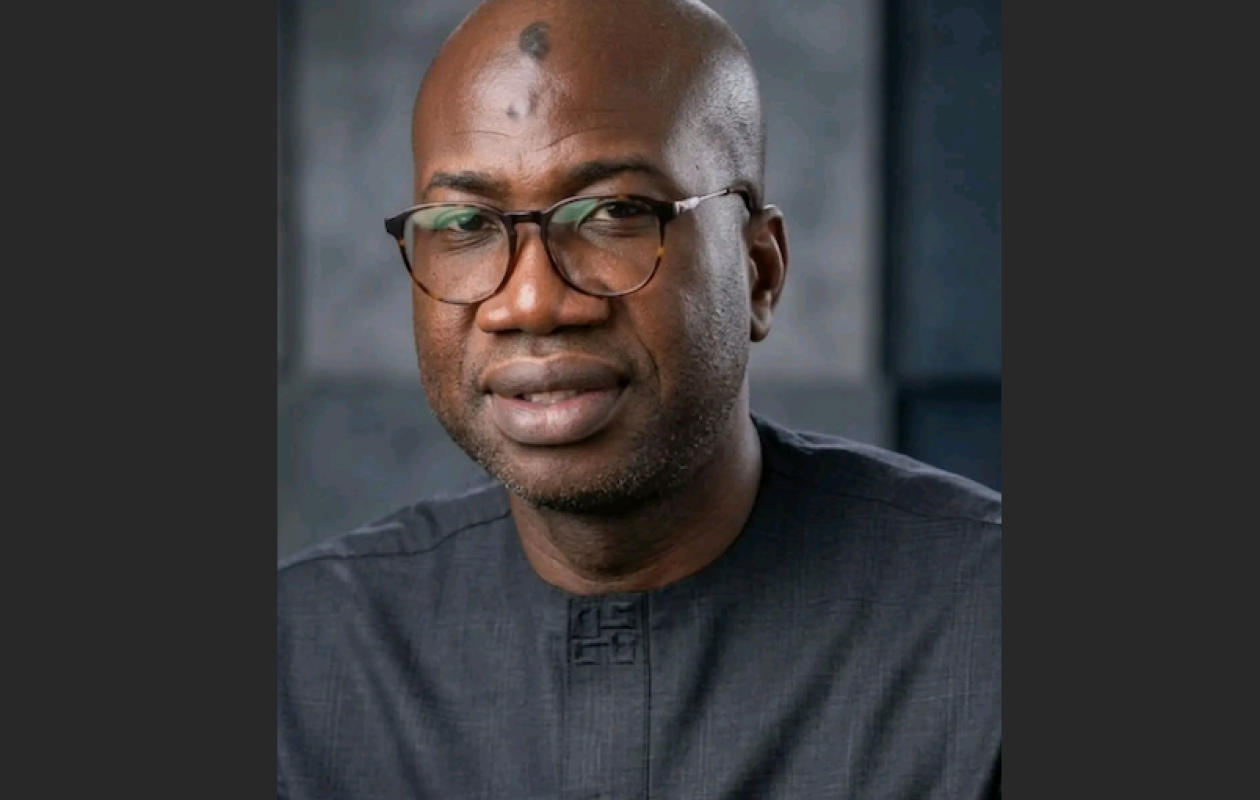
Every rainy season, Senegal faces a recurring scenario: flooded neighborhoods, impassable roads, displaced families, and significant economic losses. Cities like Dakar, Pikine, Saint-Louis, Rufisque, Kaolack, and Touba are suffering the consequences of rapid and poorly planned urbanization, exacerbated by climate change. Anarchic urbanization at the root of the crises . For Ndemba Diallo, a geographer-urban planner and urban project planner in France, repeated flooding is not limited to a water drainage problem. "They primarily reflect the flaws in our urban development model, which too often ignores natural risks," he warns. In Dakar, formerly marshy areas like Yeumbeul, Dalifort, and Médina Gounass were developed without serious hydrological studies. "For lack of alternatives, people are settling in flood-prone areas, exposing themselves to danger," he explains. Drainage networks, designed decades ago, are outdated and poorly maintained. "Clogged gutters, clogged basins: every heavy rain becomes a disaster," notes the expert. Climate change is exacerbating the situation, with more intense and unpredictable rains. "In August 2025, some areas recorded more than 100 mm in one day. In Saint-Louis, rising sea levels directly threaten homes," he adds. Social, health, and economic impacts Flooding mainly affects working-class neighborhoods, widening social inequalities. It leads to a resurgence of waterborne diseases, such as cholera and malaria, and paralyzes transport and trade, causing economic losses estimated in billions of CFA francs. "These repeated crises erode trust between citizens and authorities," emphasizes Ndemba Diallo. Solutions for urban resilience The urban planner proposes three priority areas for dealing with flooding:
Drawing inspiration from international experiences, Ndemba Diallo cites examples from African and global cities. Abidjan has invested in a vast drainage program, while Kigali uses drones and satellites to map risks. Rotterdam, built below sea level, combines infrastructure, multifunctional public spaces, and planning to be a model of resilience.
“Floods are not inevitable,” insists Ndemba Diallo. “We must anticipate rather than endure them, invest in modern infrastructure, plan intelligently, and draw inspiration from best practices. With strong political will, community mobilization, and international cooperation, Senegal can transform every crisis into an opportunity to build resilient cities.”

![[EXCLUSIF]De Ziguinchor au Méridien : Le déballage explosif de Ndiaga Seck qui livre les noms et numéros de 10 de ses amants](https://image.seneweb.com/content/news/2026-21-18//thumb_1260x800_6a0b129f253e7_EAmQ8XmZt5.jpg)
![[EXCLUSIF] Ndiaga Seck : Ce qu'il a dit sur Ousmane Sonko](https://image.seneweb.com/content/news/2026-21-18//thumb_1260x800_6a0b59b4699aa_zsVjCNITAk.jpg)








Commentaires (9)
on s'en balec nos 2 lumières "patriotes" distribuent les bouées !!
Tous les speciakistes sont disponibles au Sénégal mais ils sont dirriges par de petits politiciens et de marabouts voraces qui ne pensent qu'à découper des parcelles au moment où les villes passent au vert, nous on agresse les derniers espaces verts pour un bati non assaini, anarchique et inefficace !!
La question n'est ni le Climat encore moins les Sachants mais le Politicien et le marabout!
Ce pays n'avancera que quand il musellera ces 2 types!
Participer à la Discussion
Règles de la communauté :
💡 Astuce : Utilisez des emojis depuis votre téléphone ou le module emoji ci-dessous. Cliquez sur GIF pour ajouter un GIF animé. Collez un lien X/Twitter, TikTok ou Instagram pour l'afficher automatiquement.