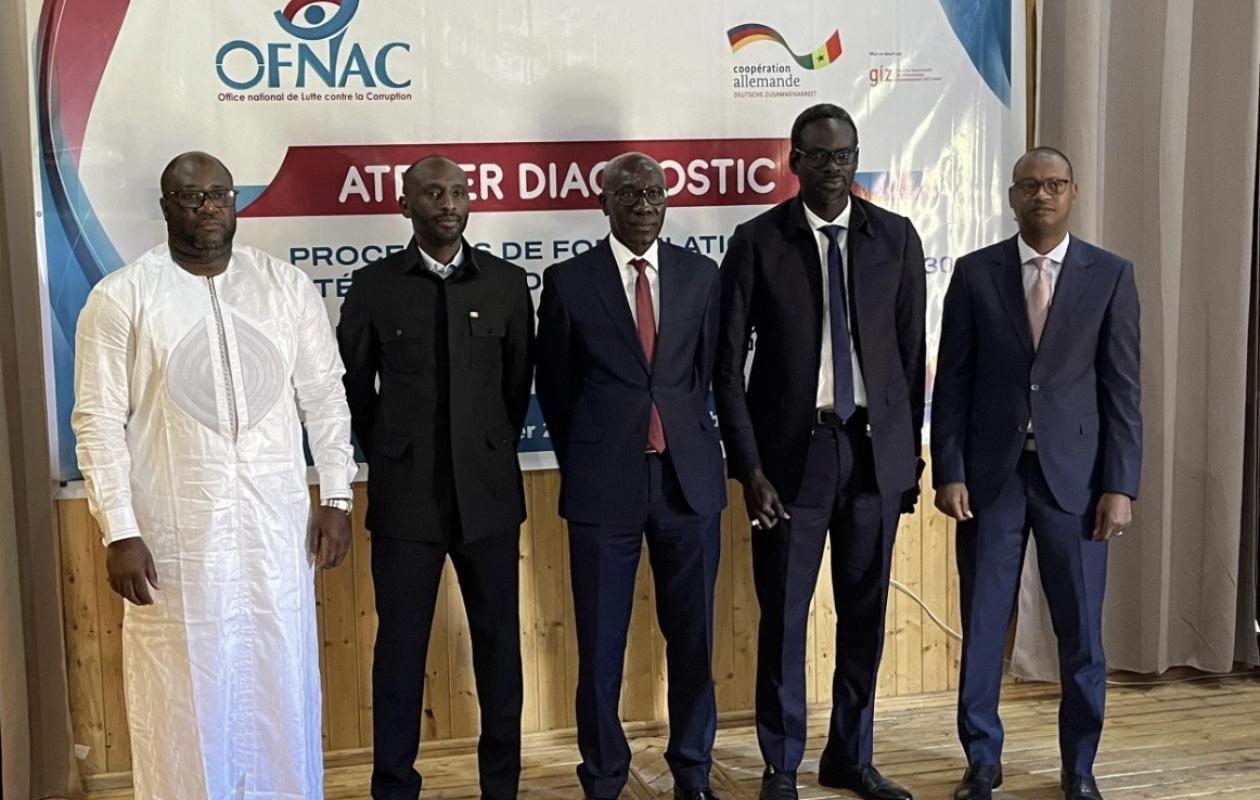
Lutte contre la corruption : L’OFNAC lance sa refondation stratégique et vise la sortie de la « zone rouge »
The National Office for the Fight Against Corruption (OFNAC) is embarking on a new chapter in its institutional history. At a diagnostic workshop bringing together members of the Office's Assembly, department heads, and partners, its president, Moustapha Ka, laid the groundwork for a strategic overhaul based on transparency, accountability, and performance.
OFNAC now operates in a strengthened legal environment, marked by the adoption of major texts: law establishing the office, reform of the asset declaration system, status and protection of whistleblowers, and law relating to access to information.
For Moustapha Ka, this legislative arsenal is not "a simple formal evolution", but reflects "a firm desire to strengthen transparency, accountability and citizens' trust in public institutions".
The new law limits the missions of OFNAC to prevention, detection and investigation, removing the powers of custody and criminal mediation, in the interest of efficiency and institutional clarity.
Furthermore, anyone called upon to occupy a position exposed to financial risk will now have to file a declaration of assets.
Thus, this first workshop is intended as a moment of methodical self-assessment. "We can only usefully reform what we know precisely," stressed the president of OFNAC, insisting on the need to analyze without complacency the strengths and weaknesses of the institution in order to build a strategic development plan, a prelude to a future national strategy to fight corruption.
The objective is to better define the organizational and intervention methods of the office, set measurable objectives and strengthen the consistency of internal procedures.
One point gained in the Corruption Perceptions Index
Senegal has made significant progress in Transparency International's 2025 Corruption Perceptions Index (CPI), after several years of stagnation. This leap marks a major turning point in national efforts to combat corruption. This improvement, the result of a series of institutional and legal reforms, comes in a global context marked by a general decline in anti-corruption scores.
According to data from the IPC 2025 report, Senegal improved its score to 46 points out of 100, one point higher than in 2024 where it was scored at 45, itself an improvement compared to previous years.
This result shows a positive dynamic in the fight against corruption, even if the country remains in the so-called "red" zone, that is, below the 50-point mark, a symbolic threshold of a level perceived as still worrying.
"We remain in the red zone. The efforts undertaken in 2025 will be taken into account in future assessments. If the current pace is maintained, Senegal could get out of this zone within two to three years," he estimated.
He attributes this progress to a clearly stated political will, illustrated by the presence at the workshop of high-ranking officials, including representatives from the presidency and the Ministry of Justice. According to him, the fight against corruption is "a cross-cutting battle" that mobilizes all public actors.
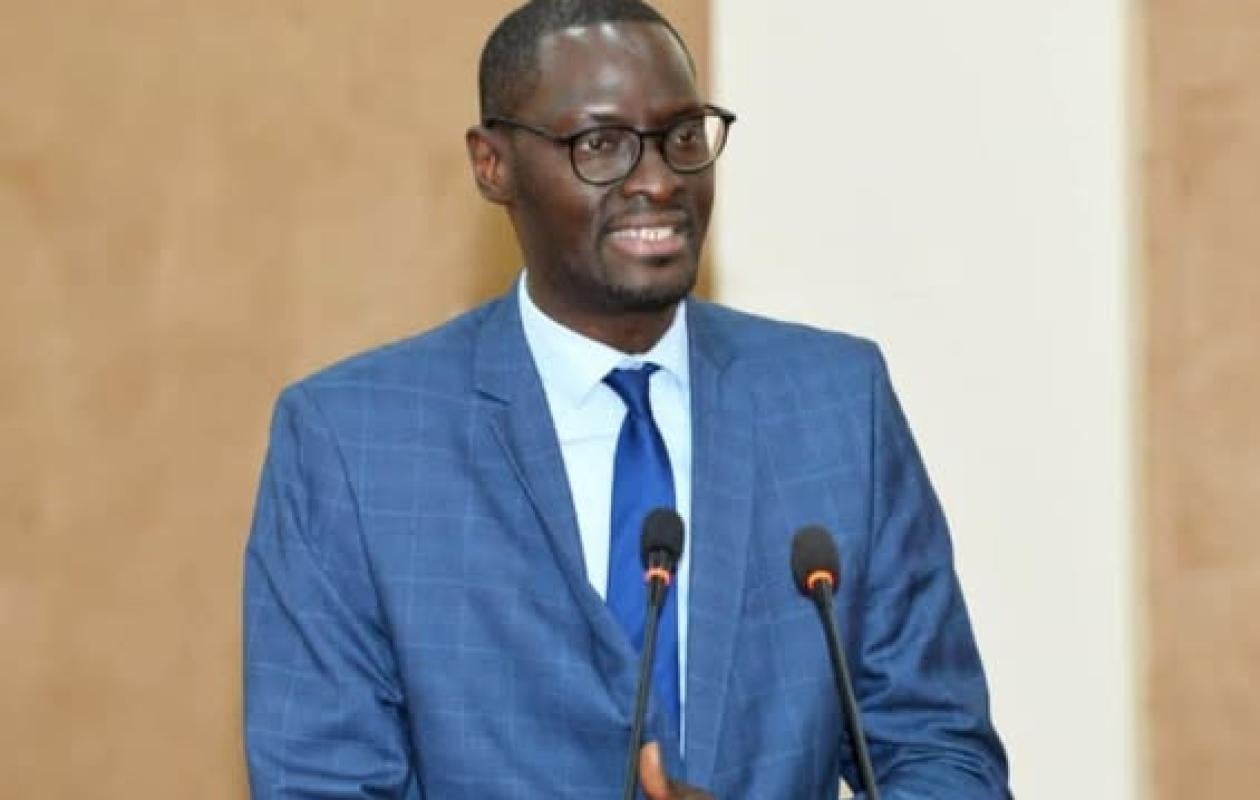
MP Abdoulaye Tall recalled that corruption is "an insidious pathology that erodes the social fabric and corrupts republican institutions".
He welcomed the appointment, for the first time, of the members of the OFNAC Assembly following an open and competitive call for applications, seeing it as a symbol of a "new era of transparency".
Drawing inspiration from the models of Singapore, Hong Kong and Botswana, he emphasized a fundamental three-pronged approach: organic independence, technical competence and a holistic approach combining prevention, education and repression.
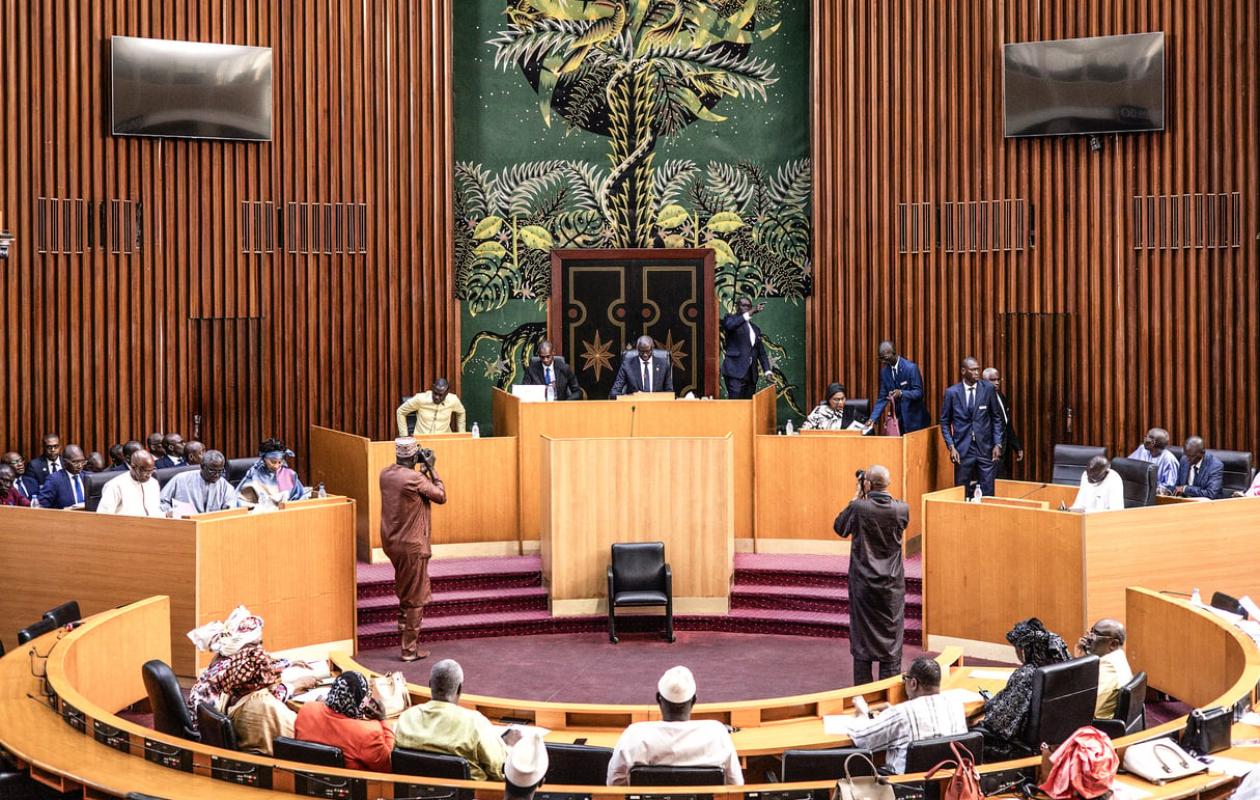
The National Assembly sets out three priority expectations: a strategic plan with measurable performance indicators; technological modernization integrating predictive analysis and secure platforms for whistleblowers; a strengthened institutional partnership, including on the budgetary level.
"An underfunded anti-corruption body is a body doomed to ineffectiveness," he warned.
According to the representative of the Minister of Justice, the fight against corruption is an economic and democratic imperative. It falls within pillar 3 of the National Transformation Agenda Senegal 2050 and fulfills the country's international commitments, notably the United Nations Convention against Corruption, the African Union Convention, and the ECOWAS Protocol.
He also mentioned the role of the Financial Judicial Pool and the National Office for the Recovery of Criminal Assets, which have enabled the prosecution of suspected perpetrators and the recovery of several billion from economic and financial offenses.
A new step for OFNAC
Beyond legal reforms, the speakers emphasized the need for a results-oriented culture, exemplary governance, and collective mobilization. "Corruption thrives in the shadows of indifference, but it recedes in the light of transparency," stressed Abdoulaye Tall.
















Commentaires (6)
Participer à la Discussion
Règles de la communauté :
💡 Astuce : Utilisez des emojis depuis votre téléphone ou le module emoji ci-dessous. Cliquez sur GIF pour ajouter un GIF animé. Collez un lien X/Twitter, TikTok ou Instagram pour l'afficher automatiquement.