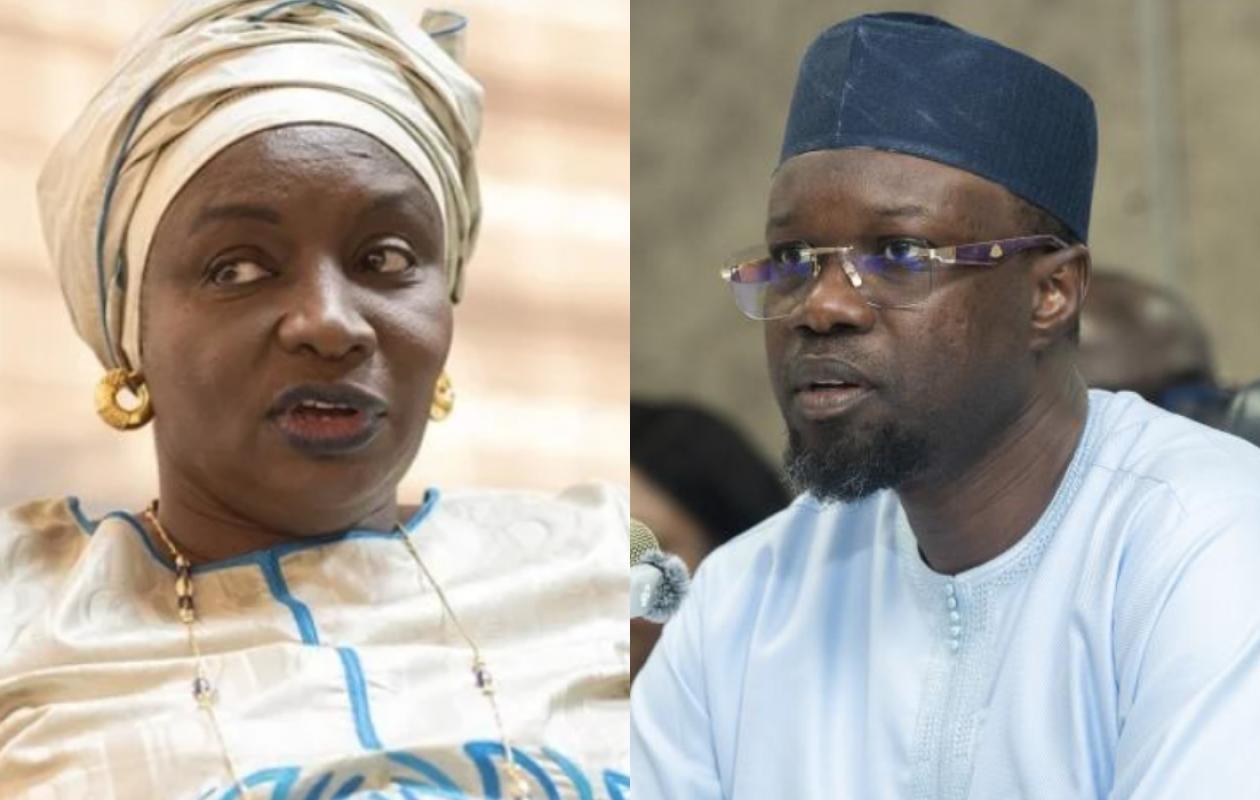
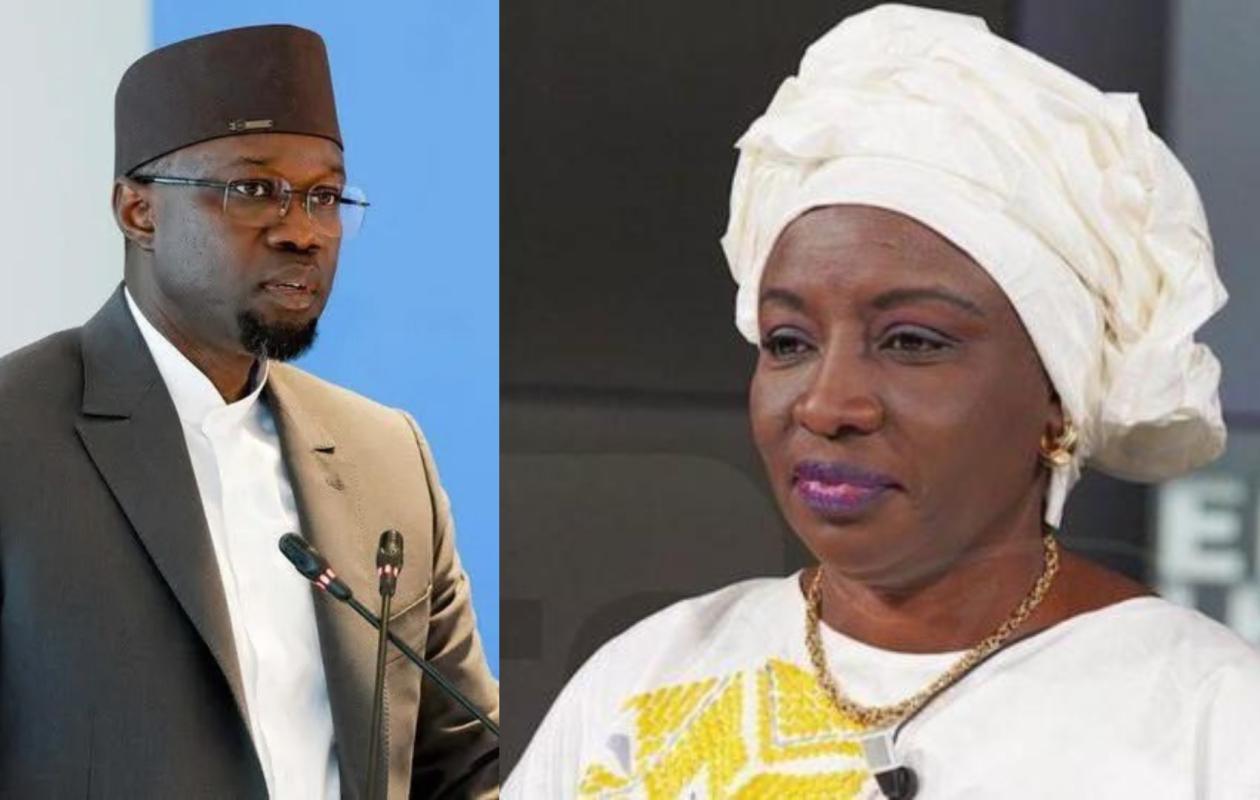
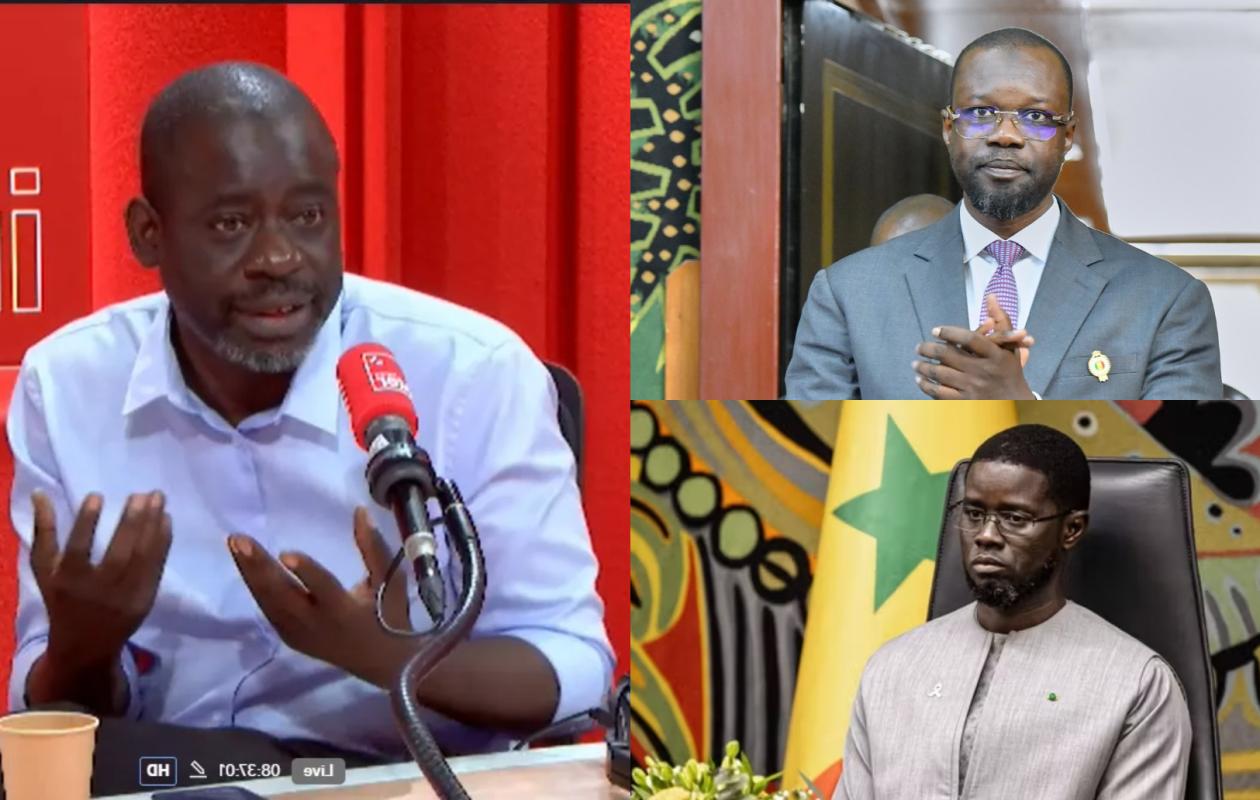
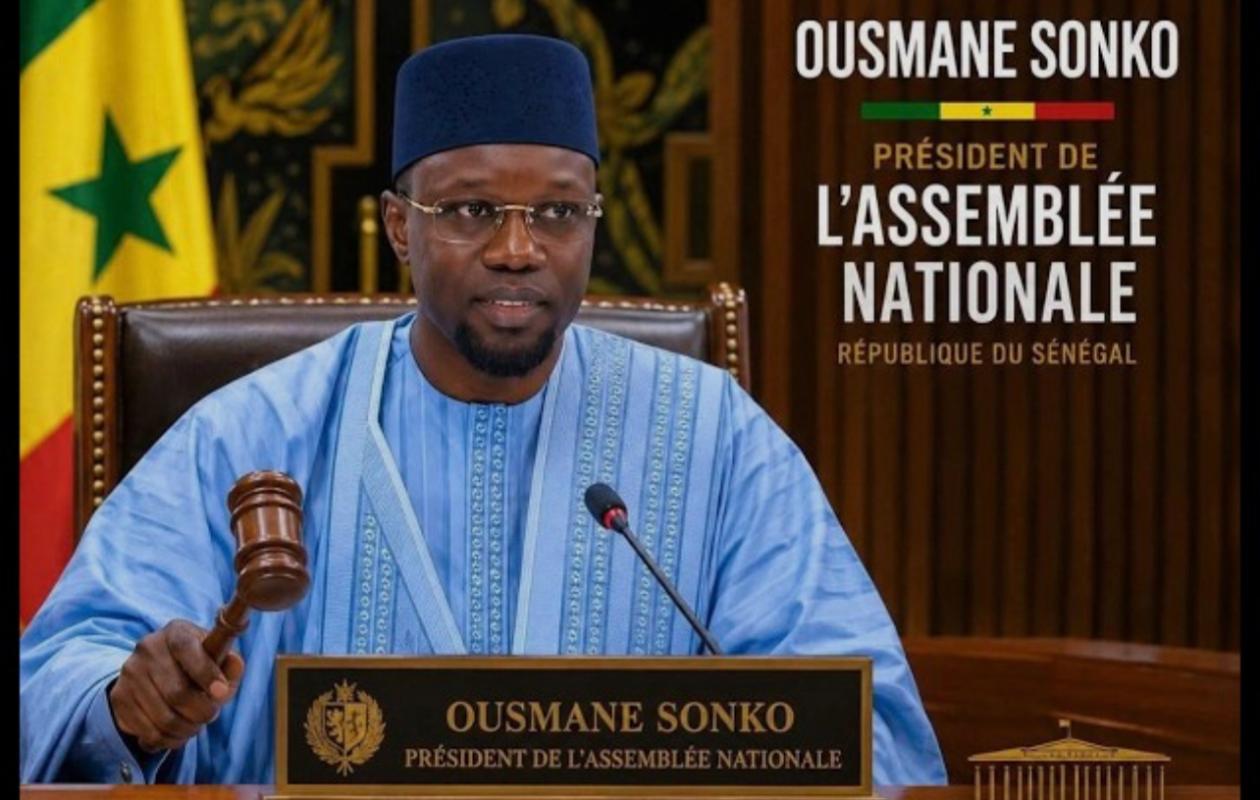
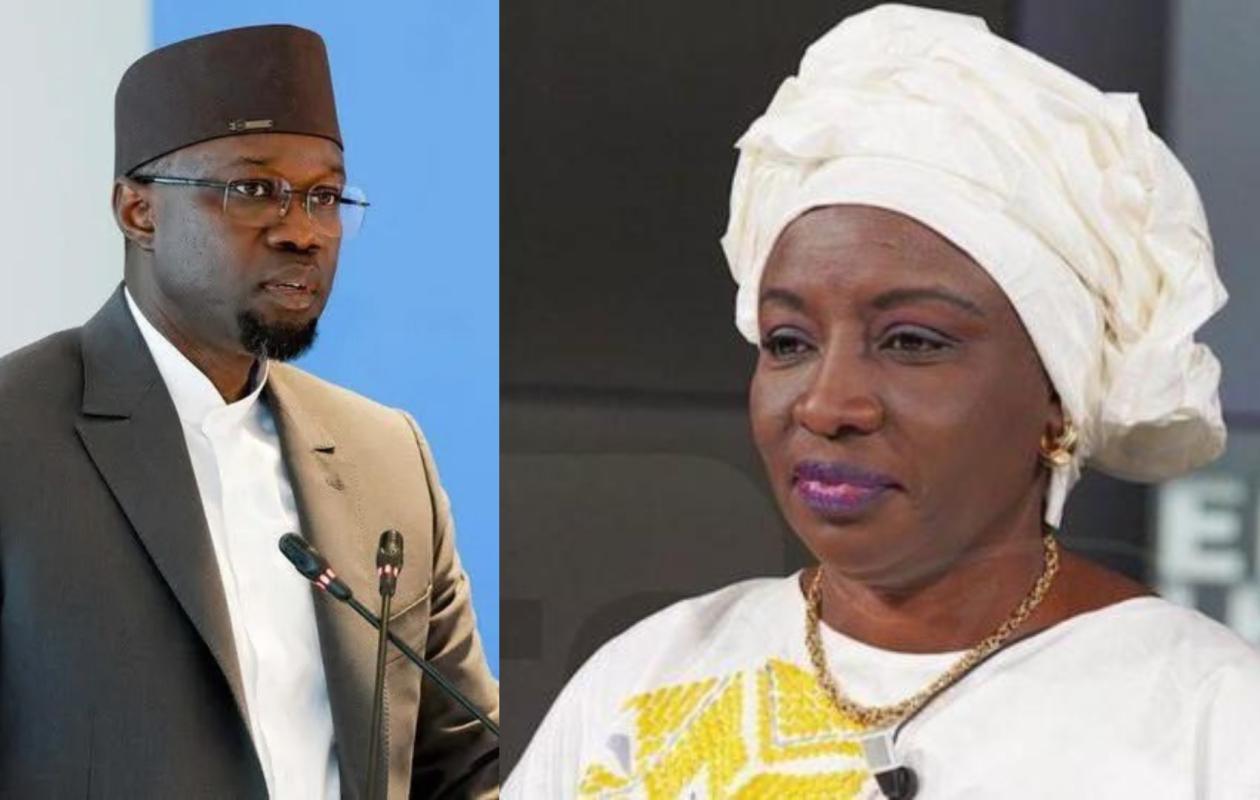
A heated debate has erupted in Senegal over the past few days, fueled by a proposed bill from the parliamentary group Pastef to amend articles L29 and L30 of the Electoral Code. The proposal, widely criticized as an ad hoc measure designed to ensure the eligibility of Ousmane Sonko—who was barred from running for office following a conviction for defamation—has sparked intense controversy.
While some critics denounce the lack of consensus around the changes, others accuse the government of crafting legislation tailored specifically for the leader of the Patriots.
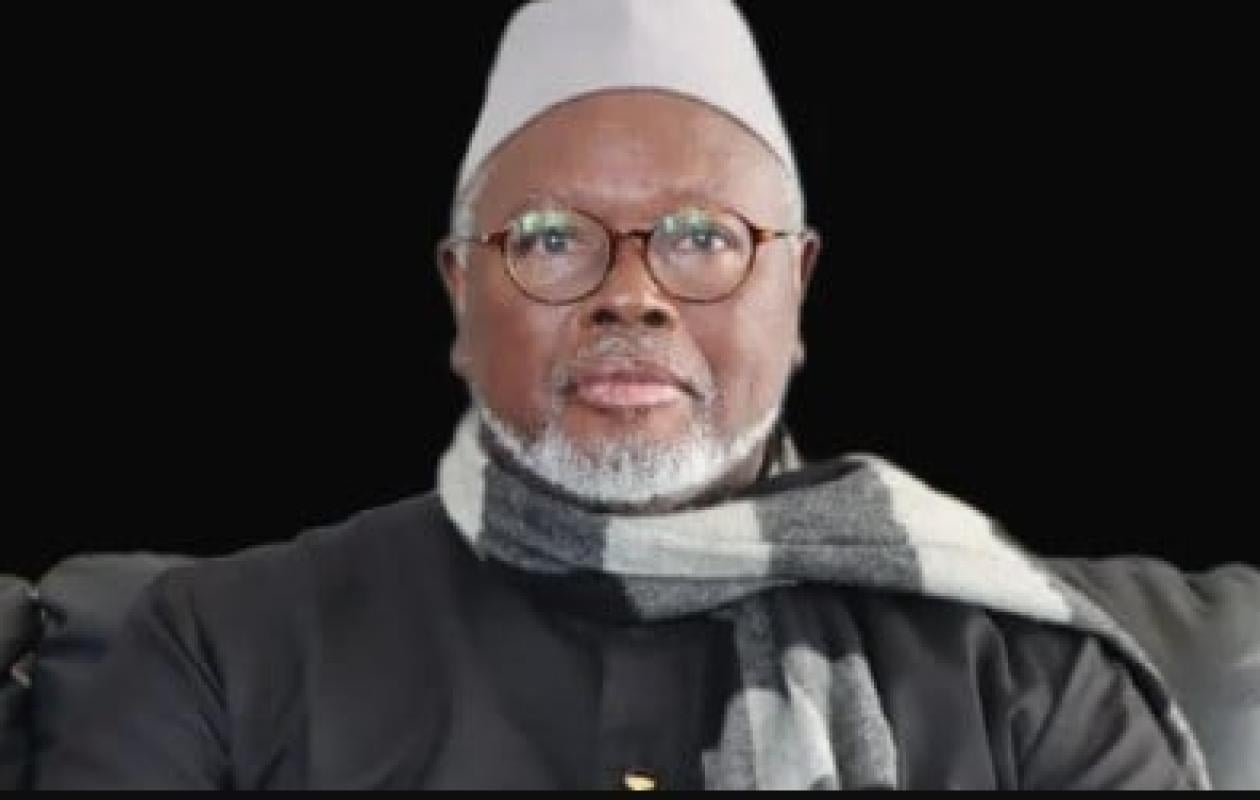
Pressed on the issue, which has further strained relations between the new administration and the opposition, prominent Senegalese civil society figure Alioune Tine shared his perspective. According to Tine, the approach of the ruling majority presents "two fundamental problems."
The first, he argues, is that "since 1992, all laws concerning elections and democracy must emerge from a broad consensus." Therefore, instead of pushing the bill through by force, "we urge parliamentarians to wait for the legislative proposals prepared by the President of the Republic. I believe that once these are tabled at the National Assembly, deputies can amend them so that we can all move in the same direction."
The founder of AfrikaJom Center is a staunch advocate for the "principle of electoral inclusion." "I believe today that all legitimate political leaders should be able to participate in electoral competition. This is my principled position, and I do not agree with the exclusion of anyone," he emphasized this Thursday on the sidelines of the 3rd edition of Agora/Penc, a forum dedicated to sovereignty issues.
Thiebeu NDIAYE










Commentaires (17)
Participer à la Discussion
Règles de la communauté :
💡 Astuce : Utilisez des emojis depuis votre téléphone ou le module emoji ci-dessous. Cliquez sur GIF pour ajouter un GIF animé. Collez un lien X/Twitter, TikTok ou Instagram pour l'afficher automatiquement.