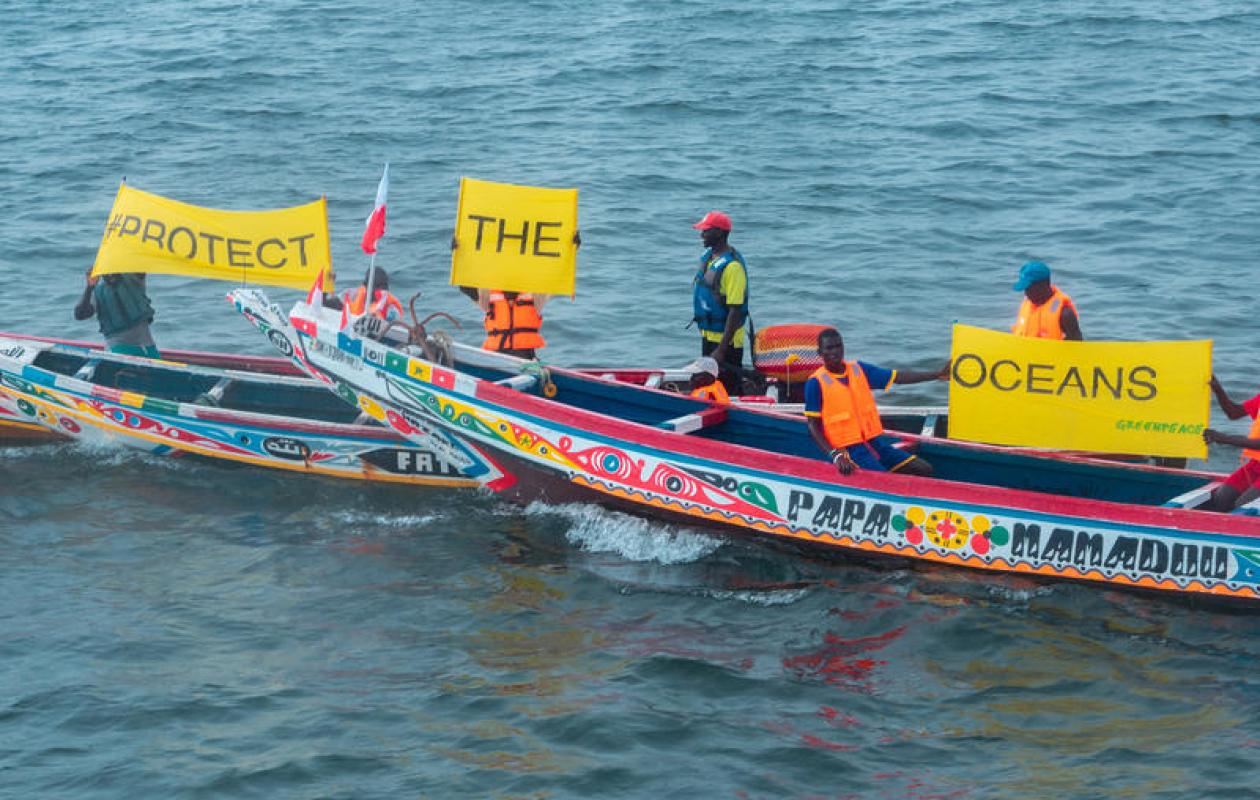
Nouveau Traité sur la haute mer : un enjeu vital pour l’économie africaine et les communautés côtières
The entry into force of the High Seas Treaty marks a historic turning point in global ocean governance. Greenpeace Africa welcomes this major step forward, while warning that this text will only produce concrete effects for Africa if it is implemented with ambition, fairness, and political courage.
This development comes at a worrying time: less than 10% of the oceans are currently protected, while experts recommend preserving at least 30% of marine areas by 2030. The high seas, which represent nearly half of the Earth's surface, remain largely neglected. Barely 1.6% of these areas benefit from protected status, despite increasing pressure from industrial fishing, mining, and other activities with a significant environmental impact.
For decades, these waters beyond national jurisdictions have been the scene of uncontrolled exploitation. Industrial fleets operate there without real limits, while Africa suffers the consequences: depletion of fish stocks, major economic losses, increased food insecurity, and growing pressure on artisanal fishing.
"This treaty is not a symbolic victory, it is an instrument of justice," says Aliou Ba, Oceans Campaign Manager at Greenpeace Africa. "If it is rigorously implemented, it can put an end to the silent plundering that is weakening African economies. Otherwise, it will join the long list of broken promises made to the people of the sea," he adds.
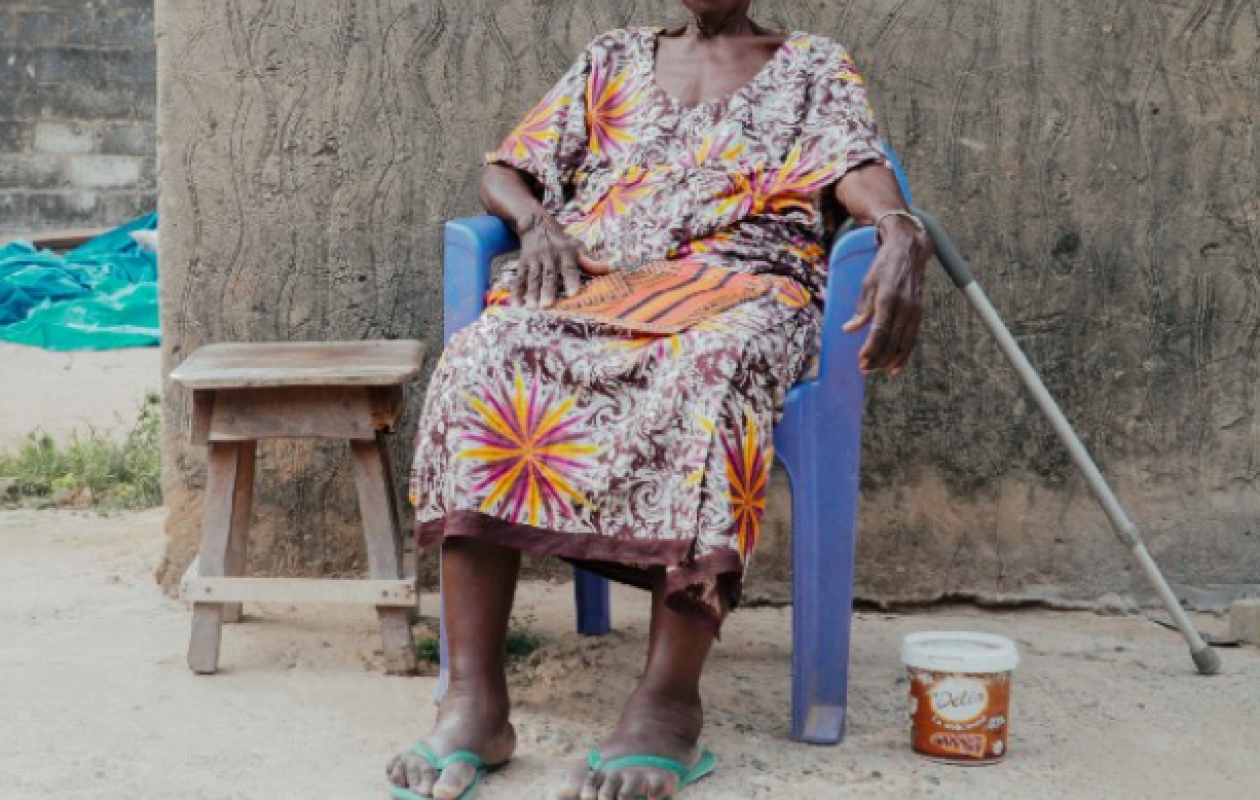
On the continent, the ocean plays a central role in daily life. It feeds millions of people and supports entire value chains—artisanal fishers, fishmongers, processors, transporters—sustaining communities that are often among the most vulnerable. However, industrial overexploitation, largely linked to distant activities on the high seas, has led to the collapse of many fisheries. As resources become scarcer offshore, the pressure shifts to coastal waters, exacerbating poverty, social tensions, and forced migration.
"What happens far from our shores always ends up hitting us hard. When large ships empty the ocean, we return with empty canoes. Protecting the high seas means protecting our future," says Mor Mbengue, an artisanal fisherman in Kayar.
Thus, the Treaty on the High Seas now lays essential foundations: creation of marine protected areas on the high seas, obligation of environmental impact assessments before any potentially harmful activity, equitable sharing of benefits from marine resources, including genetic resources, and transfer of technologies to the benefit of developing countries.
For Greenpeace Africa, the main challenge remains implementation. The organization calls on African states to defend ambitious protection measures, resist pressure from industrial lobbies, invest in maritime surveillance and control, and fully involve artisanal fishers and coastal communities in decision-making.
Finally, Greenpeace Africa urges African countries that have not yet ratified the treaty to do so without delay, and calls on those that have already ratified it to play a leading role in its rigorous and exemplary implementation. For Africa, the protection of the high seas is not a luxury: it is an essential condition for economic, social, and food security.











Commentaires (0)
Participer à la Discussion
Règles de la communauté :
💡 Astuce : Utilisez des emojis depuis votre téléphone ou le module emoji ci-dessous. Cliquez sur GIF pour ajouter un GIF animé. Collez un lien X/Twitter, TikTok ou Instagram pour l'afficher automatiquement.