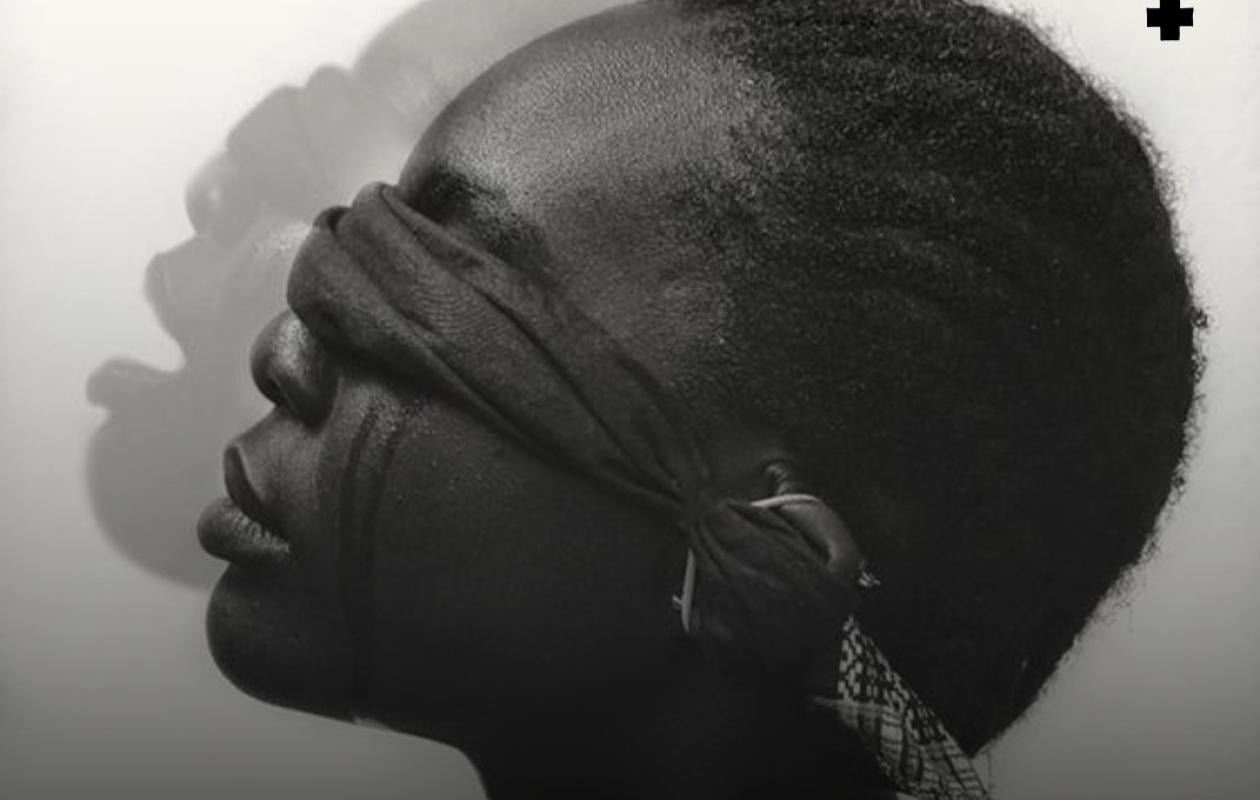
Pour la réforme du Code de la famille et la reconnaissance du féminicide
Their names were Souadou Sow, Yamou Ndiaye, Sadel Sow, Kindy Bah, Diène Dia, Marie Louise Ndour, Fatou Gueye, Aissatou Ba, Coumba Dali Diallo, Khady Fall, Mariama Coulibaly, Mariama Ba, Fatou N., Mariama Keita, Khady Gueye, Mariama Sadio Diallo, and Bintou Gueye. They were different women whose fate brought them together by the same tragic end: a brutal death at the hands of a torturous husband or a neglectful family. They are not the only ones to have suffered such a fate in 2025, but they are the face of a violence that no longer stirs emotion and has become commonplace.
Mentioning their names is a necessary act: it reminds us that they lived and existed beyond the sensational news stories. But above all, it denounces the ease with which their lives were taken from them. Because in our societies, a woman's life can end for a lunch that wasn't prepared or a dinner that was served late.
A femicide is not a domestic tragedy. It is neither an argument that escalates nor a mere news item. A femicide is the murder of a woman because she is a woman, within a context of gender-based power dynamics. It is the most extreme expression of misogyny, made possible by persistent inequalities and the inaction of public authorities.
Femicides are part of a well-documented continuum of violence. In November 2024, the ANSD (National Agency for Statistics and Demography) published a national benchmark survey on violence against women, rigorously documented using official statistical data. This survey reveals that nearly one in three women in Senegal experienced at least one form of violence—physical, psychological, sexual, or economic—in the past twelve months. This violence occurs primarily within the marital or family context, that is, in the space that society continues to consider private.
This situation is all the more serious given that these realities are known to the State. The data exists, the warnings have been issued, but the political responses remain insufficient.
For years, various feminist and grassroots movements have been raising the alarm about the same realities: the normalization of domestic violence, the politicization of women's bodies, the inadequacy of protection mechanisms, the lack of legal and political recognition of violence, and the persistence of social and legal frameworks that are unfavorable to women. These warnings are well-known. They are documented. Yet, they continue to be ignored by our society and our ruling class.
In Senegal, violence against women within marriage and family is still too often relegated to the private sphere, considered secondary and domestic. This interpretation is not only false but dangerous. What is presented as isolated is in reality a systemic phenomenon, produced by a social, legal, and political climate that tolerates, renders invisible, and minimizes patriarchal violence.
Since the beginning of 2025, more than 17 women have been killed in Senegal in a marital or family context. Faced with this reality, a question arises: if femicides are the product of a system that has been known, documented, and denounced for years, what is the State doing about this responsibility? And above all, what is the value of public pronouncements when announced commitments remain unfulfilled? And we ask the question plainly: what is the point of electoral promises when they commit to nothing?
We wish to remind you of the commitments made by President Bassirou Diomaye Faye in his political program "Diomaye President" concerning the empowerment and promotion of women for an inclusive and prosperous society, which are still at a standstill:
- The establishment of mechanisms for the prevention and fight against gender-based violence, in particular domestic violence, through the strengthening of laws, public policies and protection and support mechanisms for victims;
- The deployment of awareness and education programs aimed at transforming discriminatory social and cultural norms, promoting gender equality and combating stereotypes from a young age;
- Authorization for paternity testing for women and girls who are victims of unwanted pregnancies, with expanded access to justice funds for DNA testing and psychological support for victims of sexual violence;
-The systematic payment of the deceased woman's pension to her beneficiaries, including when the spouse is a worker;
- The expansion of women's parental authority through a reform of the Senegalese Family Code.
Meanwhile, women are dying in settings that the state continues to consider private, domestic, or secondary. And yet, the Senegalese state itself acknowledges the existence of legal discrimination against women.
In 2017, a technical committee under the authority of the Ministry of Justice identified numerous discriminatory provisions in the Family Code, the Penal Code, and legislation governing reproductive health. This was a rigorous, institutional effort, aligned with Senegal's international commitments. The report reveals that some inequalities are not simply the result of social practices, but are produced by the law itself.
Unequal age at marriage, unbalanced family/parental authority, impossibility for women to conduct a paternity search, near-absolute criminalization of abortion, implicit tolerance of forced marriage, all these provisions contradict the constitutional principle of equality.
So a question arises: if the State recognizes discrimination, why does it refuse to act?
On March 1, 2024, the Prime Minister chaired the ministerial council on the evaluation and prioritization of policies to promote and support women. Among the twelve recommendations, one particularly caught our attention: the establishment of a technical committee tasked with proposing to the Government a revision of certain provisions of the Family Code. Invoking the principle of continuity of the State, we are calling on the current Prime Minister, as well as the Minister for Family and Solidarity, to assess the progress of this public policy 21 months later.
Historically, the status quo has been presented as a wise choice on this issue, in the name of social cohesion and religious consensus. In reality, this status quo is a political choice with concrete consequences. We would like to remind you that the Family Code, adopted in 1972 and last revised in 1999, aimed to unify a legal landscape divided between colonial law, local customs, and religious norms. This choice prevented legal chaos, but it also institutionalized profound imbalances, particularly to the detriment of women and children.
Reforming the Family Code is therefore not about yielding to external pressure or importing foreign values. On the contrary, it is about honoring the legal commitments freely undertaken by the State and recognizing that equality cannot remain an abstract principle. Here, the State's responsibility to protect all female citizens is directly called into question.
These daily acts of violence exist, as evidenced by official figures and confirmed by the facts. In light of this, the elimination of a ministry dedicated to women's issues appears as a highly significant signal. Even as the violence persists and worsens, the current government has chosen to dissolve the Ministry of Women and replace it with a Ministry of Family and Solidarity, thus diluting the specific issues related to women's rights and protection within a generalist approach.
We are addressing the Senegalese press here. When a femicide is sensationally headlined, when it's referred to as a "domestic tragedy," when a woman's death is portrayed as a confrontation where one person "got the upper hand," when the media calls it an accident, it's not neutral. These choices of words depoliticize the violence and make it almost acceptable. A woman doesn't "lose" a fight. She is killed.
This is not about assigning blame, but about calling for collective responsibility. The words chosen and the narrative angles shape public opinion. Femicides must be called by their name.
This responsibility also extends to production companies and the Senegalese audiovisual industry. The series broadcast daily shape the collective imagination. Yet, all too often, women's suffering is aestheticized, almost glamorized. They are trapped in violent relationships, psychologically and/or physically, without this violence being clearly denounced. The woman remains, endures, and is silent. Violence becomes a commonplace narrative element, a dramatic device among others, never examined as a political or social problem. What is shown as normal ends up being perceived as acceptable.
This is not about denying freedom of expression or demanding politically charged works; however, production companies have a major cultural and social responsibility. Audiovisual media is not neutral. It can either reproduce the norms that confine and expose women to violence, or contribute to dismantling them.
We also call upon the Senegalese parliamentarians who initiate legislative proposals. They are supposed to represent the people and act in the general interest. Their role is not symbolic: it is central to the creation of law and the prioritization of political issues. However, recent events show that Parliament is capable of mobilizing quickly when it comes to protecting political interests. The recent vote on the law interpreting the amnesty law is a worrying example. When it comes to maintaining political stability, Parliament demonstrates its ability to legislate swiftly, interpret the law, and mobilize its institutional mechanisms. Conversely, this same diligence disappears when it comes to protecting women's lives. The recognition of femicide as a specific crime and the reform of the Family Code, despite being announced, remain relegated to the back burner, categorized as complex.
This difference in treatment is not accidental. It reflects a political hierarchy of emergencies, in which the legal security of political actors takes precedence over the physical safety of women.
In light of these findings, we call on all progressive and popular forces to join our "Luy Jot Jot na" campaign for the inalienable rights of women.
SIGNATORIES
1) Front for an Anti-Imperialist, Popular and Pan-African Revolution (FRAPP)
2) Collective of Feminists of Senegal
3) Senegal Feminist Action
4) Dafa Doy Collective
5) Amnesty Senegal
6) Collective of Lawyers for the Defense of Women's Rights (CJDF)
7) Cultural Actresses Together (ACE)
8) JGEN Senegal
9) Afrikajom Center
10) ActionAid International Senegal
11) African Convergence for Democracy and Human Rights (Sen_CADDHU)
12) I'm fed up
13) West African Network of Young Women Leaders (ROAJELF Senegal)
14) Jigian Siggil Network
15) Women's Platform for Peace in Casamance
16) Women's Collective for the Defense of the Family
17) Organization of African Volunteers
18) LEGS-Africa: Leadership, Ethics, Governance, Strategies for Africa
19) Network of feminists in Senegal
20) Honorable Fama Bachir BA, Member of Parliament for the 15th Legislature
21) Honorable Marieme Mbacké, Member of Parliament for the 15th Legislature
22) Honourable Guy Marius Sagna, Member of Parliament for the 15th Legislature
23) Honourable Thierno Alassane Sall, Member of Parliament for the 15th Legislature and former minister
24) Honorable Matar Sylla, Member of Parliament for the 15th Legislature
25) Aminata Touré, former prime minister
26) Fatima Mbengue, Director General of the National Office for Wards of the Nation
27) Mohamed Mbougar Sarr, writer
28) Seydi Gassama, Director of Amnesty Senegal
29) Alioune Tine, founder of Afrikajom Center
30) Moundiaye Cissé, 3D NGO
31) Awa Fall Diop, former minister, feminist activist
32) Ngoné Ndour, Chairman of the Board of SODAV
33) Serigne Assane Mbacké, political leader of Pastef Touba
34) Amadou Diallo, lawyer at the court
35) Commissioner Harona SY, former Divisional Commissioner of exceptional class
36) Soham Wardini, former mayor of the city of Dakar
37) Aminata Libain Mbengue, feminist activist, clinical psychologist
38) Aida Niang, Deputy Mayor of the City of Dakar
39) Fatou Warkha Sambe, journalist, co-coordinator of the Network of Feminists in Senegal
40) Chérif Dia, Journalist
41) Ayoba Faye, journalist-blogger
42) Oussama Monique Sagna, journalist, feminist activist
43) Abibatou Samb, lawyer and president of the NGO Voix de Victime
44) Ndeye Fatou Kane, Researcher in the sociology of gender, feminist activist
45) Maimouna Yade, a lawyer specializing in gender, development and human rights
46) Zoubida Fall, author
47) Ndeye Dieumbe Diagne, AFROPES Kaolack
48) Ndeye Bouba Seck, Journalist, coordinator of Altercom and director of Manoorefm
49) Oulimata Suzanne SY, financial controller, feminist activist, pan-Africanist; 50) Rayhana Diallo, social entrepreneur and executive director of FAM
51) Elimane Haby Kane: Director of LEGS-Africa
52) Matyto Nakamura, director – voice-over actress
53) Dr. Oumou Fadly Touré, gender and health integration expert
54) Ngoné Sarr, president of the Bàjjanu Gox of Ouakam, president of the Molaadé association
55) Adama Pouye, feminist activist, librarian, communications specialist
56) Saliou Seck (Raeve), lawyer
57) Aminata Ndiaye, coordinator of the Sunu Yité Shared Parental Authority collective
58) Ndeye Dieumb Tall, feminist activist, hospitality project manager
59) Anta Dia Ly, regional president of the Bàjjanu Gox of Kaolack
60) Dr. Sely Ba, sociologist
61) Aida Mbaye, legal consultant, SGA/AJS
62) Halimatou Sarr, president of the Active Mothers association
63) Elhadj Abdoulaye Seck, research economist at ENAP Quebec
64) Khaita Sylla, Country Director, ActionAid International Senegal
65) Ousmane Gueye, Pastef activist, political communicator
66) Thiane Ndiaye, Professional Coach
67) Fatouma Diallo, feminist activist, content creator and fashion designer
68) Tope Thiaw, sociologist and project manager at JGEN
69) Asta Walo Babou, Research Officer at Afrikajom Center
70) Wasso Tounkara, trainer in creative activism
71) Aissatou Ndiaye, Taskforce Coordinator/Senegal
72) Marina Kabou, feminist activist
73) Sabe Wane, lawyer
74) Awa Diop, researcher at IFAN
75) Gacko Ndéye Mingué Ndiaté Ndiaye, state midwife
76) Binta Astel Niane, feminist activist
77) Brice Dié Koué, teacher, communications manager
78) Paap Seen, media administrator
79) Ibrahima Badiane, agripreneur
80) Aliou Gérard Koïta, anti-imperialist revolutionary
81) Mamadou Wane, sociologist
82) Safiétou Diop, president of the Siggil Jigéen network
83) Coumba Dieng, President of the Bàjjanu Gox Western District
84) Amadou Demba Baldé, bank executive
85) Mohamadou Mahmoune Diop, schoolteacher
86) Amadou Korka Sow, Alternatiba member
87) Thierno Sora Ndiaye, Technologist Engineer
88) Fatoumata Diallo, head of the gender and equity unit at the Ministry of Urban Planning
89) Fatou Diouf, bàjjanu Gox
90) Momar Sall, economic analyst
91) Coumba Touré, storyteller, author
92) Fatou Diouf, administrative manager
93) Ndeye Adama Seck, communications officer
94) Aissata Bocar Seck, program coordinator
95) Mame Diarra Seck, Monitoring and Evaluation Officer
96) Mademba AS, citizen
97) Diouma Faye, lawyer
98) Dieynaba Famanta, Programme Associate, feminist activist
99) Fatoumata Gueye, lawyer
100) Ndeye Marie Thiam, president of the women's platform for peace in Casamance













Commentaires (7)
Que dit le code de la famille sur les citoyens ayant deja signe "Monogamie" et qui veulent changer de statut pour
la " Polygamie"?.
C'est le cas de bcp d'immigres qui, pour des raisons de conformite avec les lois de leurs pays d'accueil, ont du signe "Monogamie" a contre-coeur.
Merci d'avance!
Nous prendrons les armes s il le faut
Participer à la Discussion
Règles de la communauté :
💡 Astuce : Utilisez des emojis depuis votre téléphone ou le module emoji ci-dessous. Cliquez sur GIF pour ajouter un GIF animé. Collez un lien X/Twitter, TikTok ou Instagram pour l'afficher automatiquement.