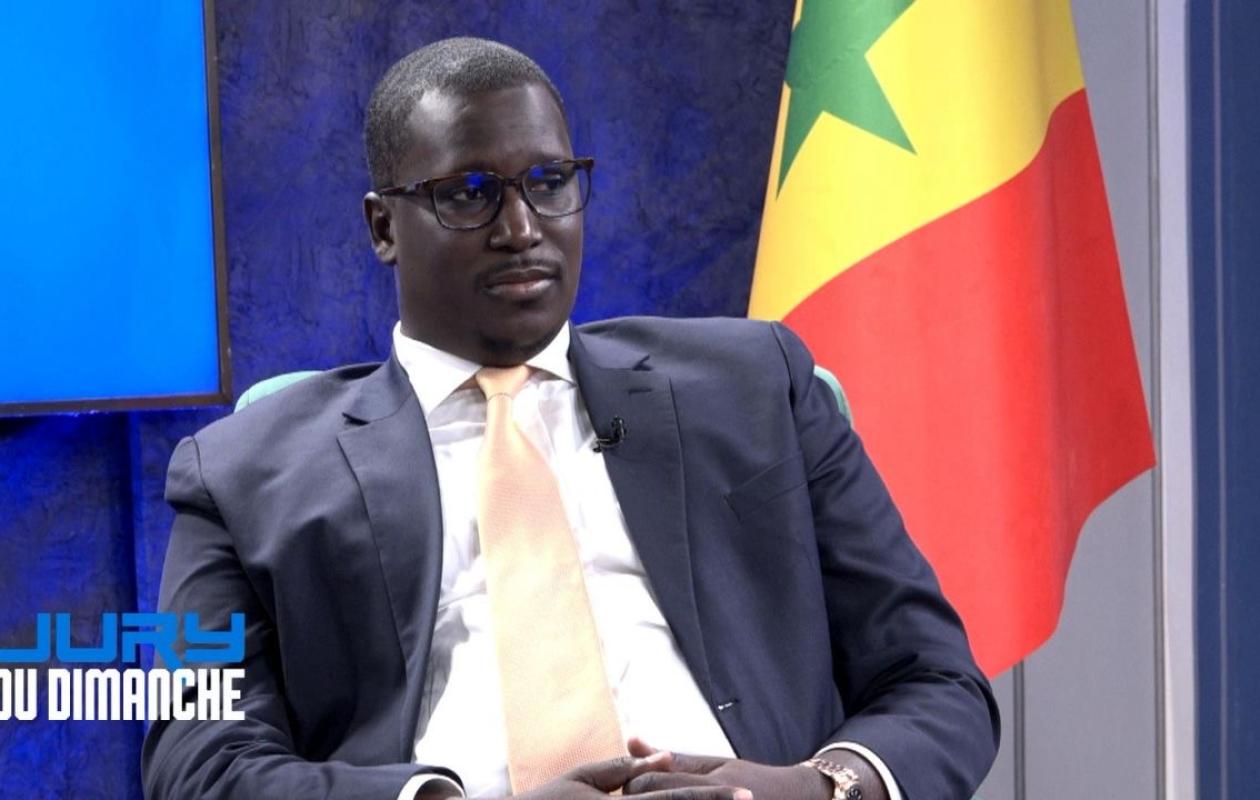
Prisons au Sénégal : L’impératif d’une justice plus humaine selon Boubacar Racine Sy
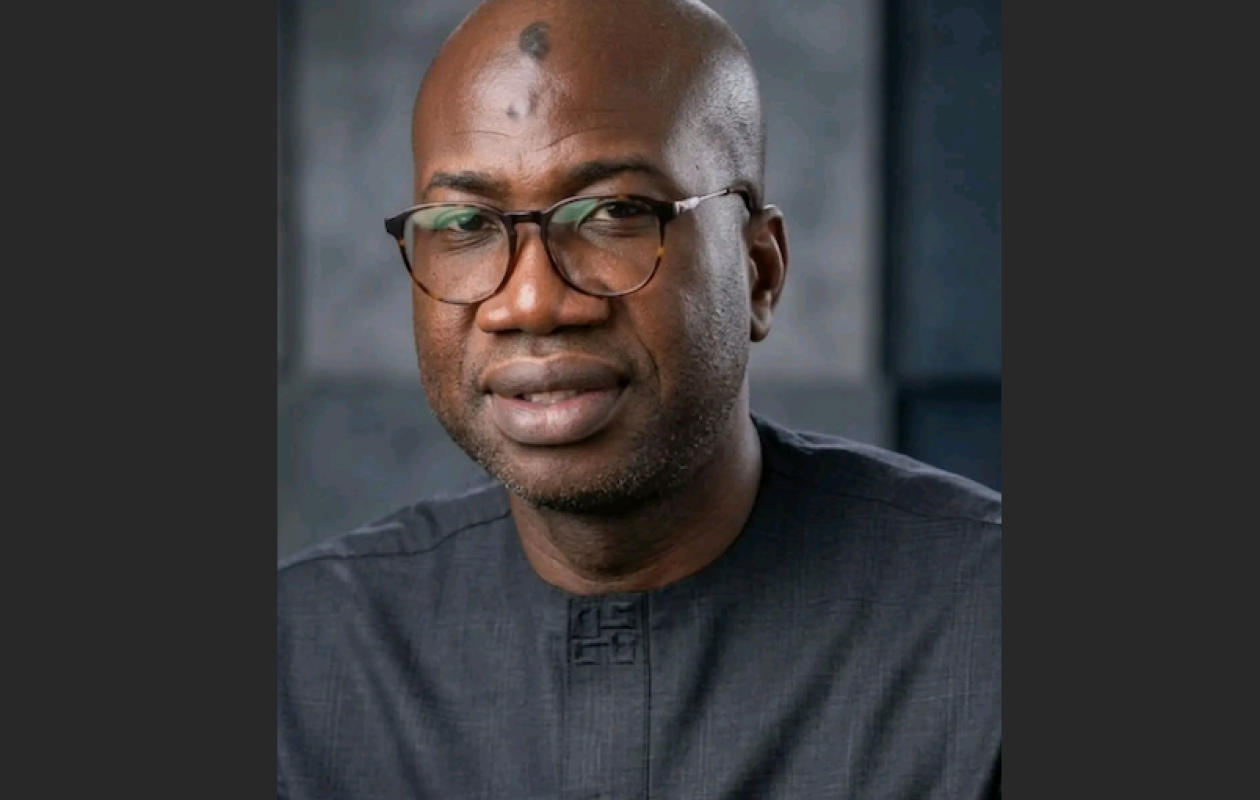
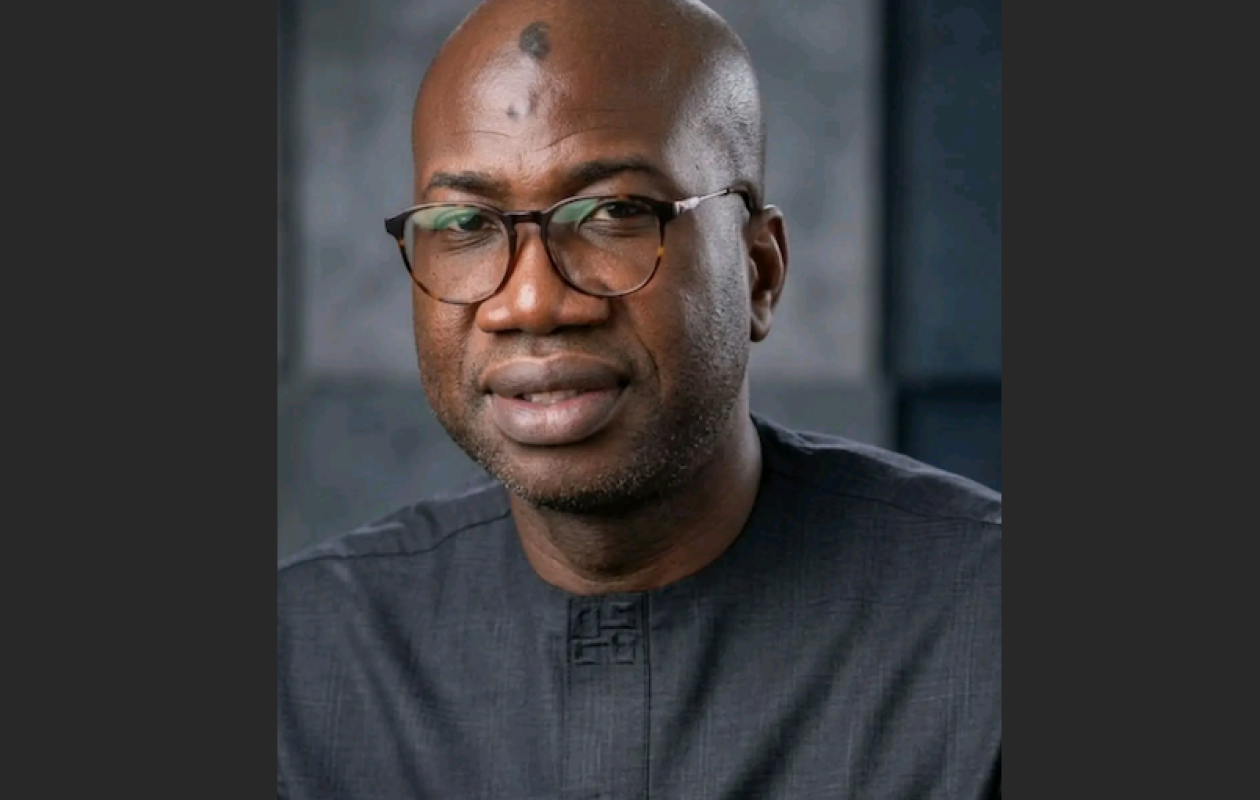
The issue of incarceration remains one of the blind spots in public debate in Senegal. Yet, behind prison walls, a central problem is at stake: that of human dignity and the future security of society. For Boubacar Racine, a guest on iRadio's "Sunday Jury," the observation is clear: "Prison deprives only of one right, the right to come and go." But in reality, imprisonment is often accompanied by difficult conditions that go far beyond this single restriction. Overcrowding, judicial delays, and staff shortages: these are all factors that weaken the entire prison system.
According to him, the danger is twofold. "On the one hand, there is a violation of the fundamental rights of the detainees. On the other hand, there is a real risk to society. These people will return among us," he points out.
He added: "A prisoner who leaves prison without support, marked by degrading living conditions, can hardly reintegrate. Prison, instead of correcting, can then worsen social divisions and fuel recidivism."
Sanctions differently to better protect
Faced with this reality, a complete overhaul of criminal justice policies is essential, according to the guest. Boubacar Racine argues for differentiated sentencing based on the severity of the offense. "We cannot treat a hardened criminal and someone who has committed a minor offense in the same way," he emphasizes. Alternatives to incarceration thus appear as a credible option: community service, educational measures, and proportionate sanctions.
The goal, the legal expert explains, is to foster accountability without destroying prospects for reintegration. The example of Philippe Maurice illustrates this vision. Convicted of murder, he transformed his prison experience, pursuing his studies and eventually becoming a university professor, following the abolition of the death penalty under François Mitterrand, a move championed by Robert Badinter.
An exceptional trajectory, but one that reveals a fundamental principle: justice can be a lever for reconstruction. For Boubacar Racine, Senegal cannot ignore this issue. Given its history, the country has a particular responsibility regarding respect for human rights. "Humanizing prisons is not about being lax. On the contrary, it's about strengthening collective security by giving inmates the means to rebuild their lives," he concluded.




![[EXCLUSIF]De Ziguinchor au Méridien : Le déballage explosif de Ndiaga Seck qui livre les noms et numéros de 10 de ses amants](https://image.seneweb.com/content/news/2026-21-18//thumb_1260x800_6a0b129f253e7_EAmQ8XmZt5.jpg)










Commentaires (0)
Participer à la Discussion
Règles de la communauté :
💡 Astuce : Utilisez des emojis depuis votre téléphone ou le module emoji ci-dessous. Cliquez sur GIF pour ajouter un GIF animé. Collez un lien X/Twitter, TikTok ou Instagram pour l'afficher automatiquement.