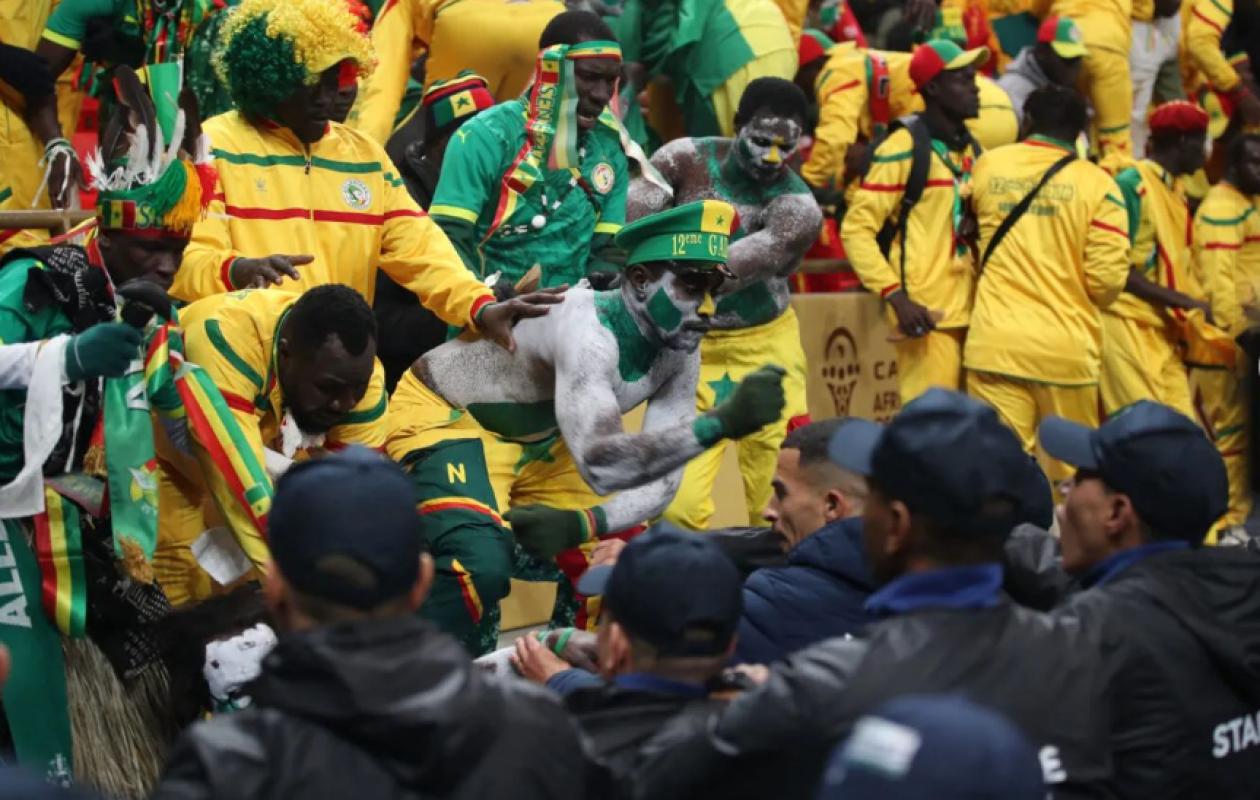
Supporters sénégalais détenus au Maroc : Un expert en régulation publique convoque la diplomatie confrérique
In May 2022, in Sudan, the Khalif of Baye, Sheikh Mahi Niass, contributed to the reconciliation of some fifty warring tribes in a context of extreme fragmentation by calling for a ceasefire when violence had supplanted all attempts at dialogue. Thus, where weapons had silenced dissent, a religious authority was able to reopen a space for mediation. In Senegal, in November 2025, the mediation of the General Khalif of the Mourides, Serigne Mountakha Mbacke, led to the release of a Senegalese soldier held for several months by the MFDC, where institutional efforts had failed to produce a favorable outcome. This reminder comes from legal advisor Khadim Kawsara, an expert in digital governance, public regulation, and the integrity of public procurement. In a statement entitled "Republic and Brotherhoods: The Intelligence of Complementarity," he indicates that one can debate methods, discuss institutional balances, and question principles. But it is more difficult to dispute the facts when they consistently present themselves.
"Even today, eighteen Senegalese supporters are still being held in Morocco. Despite the diplomatic efforts undertaken by the public authorities, the situation remains delicate. Yet, everyone knows how long-standing and deep the historical and spiritual ties are between Tivaouane and the Kingdom of Morocco. This relationship goes beyond mere protocol. It stems from a shared history, enduring affinities, and a trust built over time."
These realities invite us to move beyond simplistic dichotomies. Fraternal diplomacy is neither archaic nor folkloric. It relies on transnational networks, moral legitimacy, and an ability to exert influence in spaces where traditional diplomacy sometimes struggles to be effective. It does not replace the state. It can, in certain circumstances, open avenues for it.
This reflection also applies to our internal tensions. The crises in universities, the teacher protests, and the demands of healthcare workers all reveal the same underlying problem. When trust erodes and institutional dialogue stagnates, formal mechanisms reach their limits. Meetings follow one another without dispelling mistrust. Positions harden. Public discourse loses its impact.
In such moments, the intervention of a respected moral authority can help restore the basic conditions for dialogue. This is not to replace social negotiations or weaken the state's responsibility, but to restore a minimum level of trust between the parties. It does not resolve budgetary constraints or structural disagreements. It simply allows the stakeholders to speak to each other again and for discussion to become possible once more.
The real question, therefore, is not about choosing between the Republic and religious brotherhoods. It is about understanding how they interact. Senegalese secularism does not imply ignoring the country's sociological realities. On the contrary, it presupposes their recognition and their legal framework in service of the common good.
A wise state does not marginalize its forces of influence. It organizes them, channels them, and mobilizes them judiciously when the national interest demands it. Political maturity lies in understanding that the cohesion of a nation is not built solely within its administration, but also within the social, spiritual, and symbolic bonds that permeate society.
This is neither about idealizing nor sacralizing. It's about acknowledging that, in certain deadlock situations, relational pathways can be productive where institutional mechanisms fail. Returning to reason means accepting this reality with pragmatism and responsibility.










Commentaires (14)
Participer à la Discussion
Règles de la communauté :
💡 Astuce : Utilisez des emojis depuis votre téléphone ou le module emoji ci-dessous. Cliquez sur GIF pour ajouter un GIF animé. Collez un lien X/Twitter, TikTok ou Instagram pour l'afficher automatiquement.