Padel vs Pickleball et leurs différences en pratique
Padel and pickleball attract a large number of athletes. The Sports & Fitness Industry Association counts 13 million regular pickleball players. The total of 36 million includes those who have simply tried the sport. The International Padel Federation reports 25 million players worldwide. These figures illustrate the success of these two disciplines.
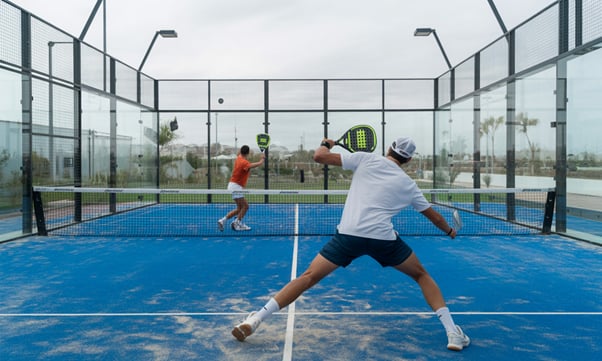
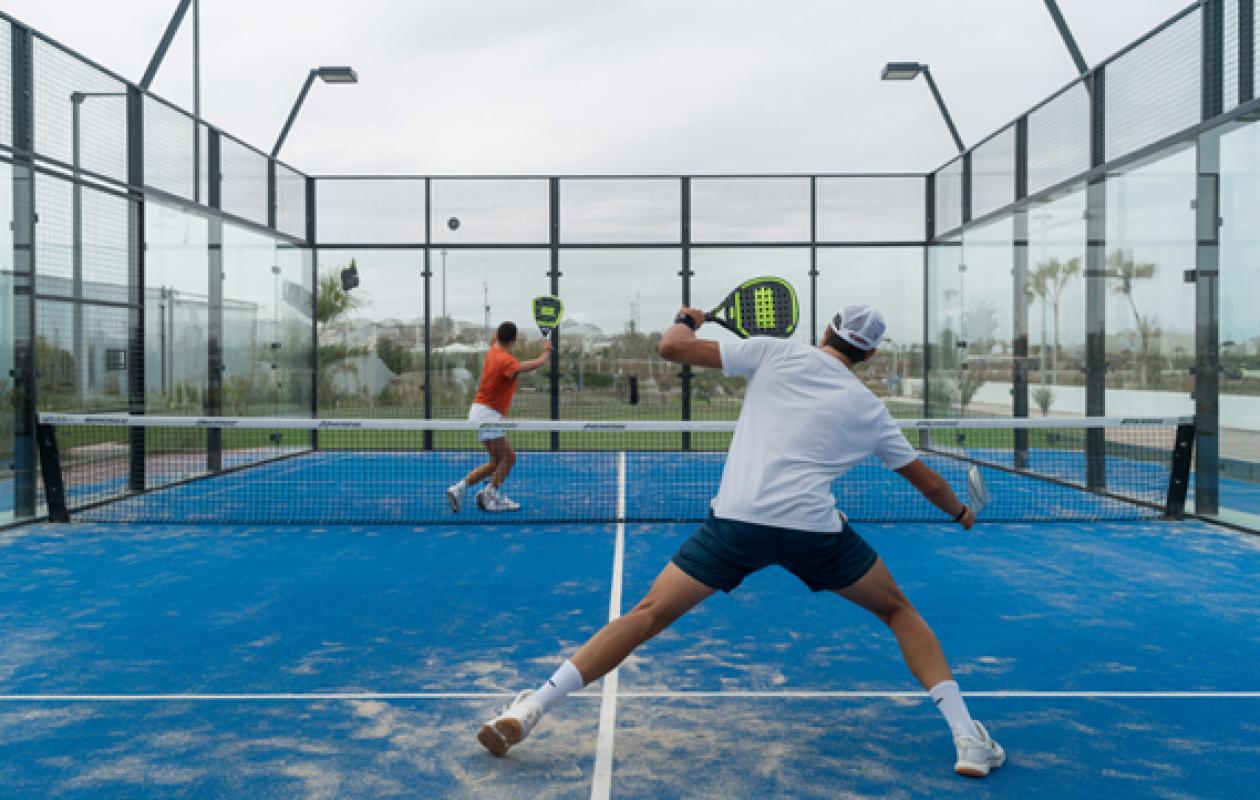
Both of these sports require a central net to separate the players. The playing experience varies depending on the surface. Padel is often played on sand-filled synthetic turf. Pickleball is typically played on hard surfaces. Assessing the physical exertion helps players tailor their game. Simply observing local matches allows one to study the dynamics. This article presents the technical characteristics of each racket sport.
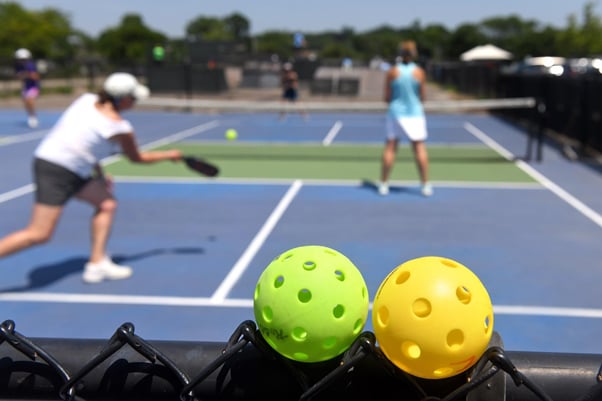
Both sports are played on smaller courts than a standard tennis court. A standard tennis court can accommodate several pickleball lanes. The public sees these disciplines as a fun alternative to traditional tennis. Players use solid, unstringed rackets. Many tennis players are turning to these new sports. The technical transition is easy. The doubles format remains the norm for both activities. This visual similarity explains the initial comparison.
You need to examine several distinct technical elements to separate these practices. The specific rules completely transform each player's experience. Here are the fundamental characteristics to observe on the court.
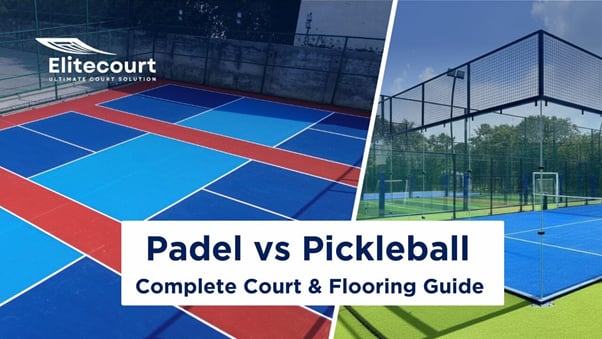
The dimensions of the playing area directly influence movement. Here are the characteristics of each surface:


This difference in court design alters the players' tactical approach. Padel requires precise reading of trajectories using the walls. The lob serves as a defensive shot to push opponents back. Pickleball centers the action directly on the no-volley zone. Players compete in short rallies close to the net.
The technical equipment differs radically between these two sports. Here are the specific characteristics of the equipment:
Padel relies on a thick carbon racket perforated with holes;
The padel ball looks like a slightly deflated tennis ball;
Pickleball requires a thin paddle with a solid, smooth surface;
The pickleball is made of rigid plastic and has holes in it.
This choice of equipment influences the feel of the impact. The padel racket absorbs the shock with its internal foam. The contact with the pickleball produces a sharp sound with each strike. This acoustic signature helps players judge the ball's speed.
Padel requires extensive court coverage. Players make numerous runs to return the ball after it bounces off the glass. Matches often last over an hour and a half. This sport demands good cardiovascular endurance. The physical exertion includes multiple jumps to execute smashes.
Pickleball engages the heart at a more moderate intensity. Players block their opponents' attacks near the net. The sport demands good reflexes over short distances. Lateral steps dominate the movement on the court. This style of play helps protect the player's joints.
Learning the rules of padel involves managing unpredictable bounces. Mastering an unfamiliar environment often requires a trial period without pressure. Similarly, a visitor consults Slotozilla reviews to test games in demo mode in order to evaluate an online casino. This need for prior familiarization applies well to these new disciplines. The novice thus memorizes the scoring system with great efficiency.
Padel requires four players to start a match. According to the International Padel Federation , official competitions are played in doubles. A regulation court measures ten meters wide by twenty meters long. Courts for singles play are only six meters wide.
Pickleball offers flexibility for planning your workouts. Individual matches are played on the same courts as foursomes. Players move around in the same space on each side of the net. The solo format measurably increases cardiovascular effort.
The choice between these two sports depends on the available local infrastructure. A padel court requires concrete foundations and thick glass structures. Pickleball can be set up on tennis courts or asphalt surfaces. Installation requires marking lines on the ground and installing a removable net. According to USA Pickleball , this exceptional flexibility is rapidly increasing the number of urban playing areas. Equipment costs also play a role in this decision. The price of a padel racket exceeds the budget required for pickleball.
This overall summary helps the athlete evaluate the different options. Here is a detailed breakdown of the technical criteria:

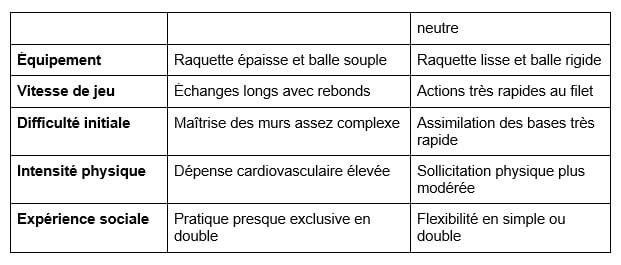
This table highlights the fundamental differences between the two disciplines. Most sports complexes offer racket rentals. This gives you all the information you need to try it out.
A player first buys a racket suited to the sport. Padel requires a thick model with multiple holes. Pickleball, on the other hand, demands a perfectly smooth surface.
These two sports activities promote excellent weight loss. The repeated punches significantly increase the overall heart rate. Regular practice burns fat quite quickly.
Pickleball offers the fastest learning curve. The absence of walls simplifies the game. A novice quickly masters the scoring system. Padel requires complex management of back bounces.
Padel tennis involves the highest energy expenditure per hour. The larger court forces players to run long distances. According to this article from the American Exercise Council, sustained interval training increases calorie burn.




















Commentaires (0)
Participer à la Discussion
Règles de la communauté :
💡 Astuce : Utilisez des emojis depuis votre téléphone ou le module emoji ci-dessous. Cliquez sur GIF pour ajouter un GIF animé. Collez un lien X/Twitter, TikTok ou Instagram pour l'afficher automatiquement.