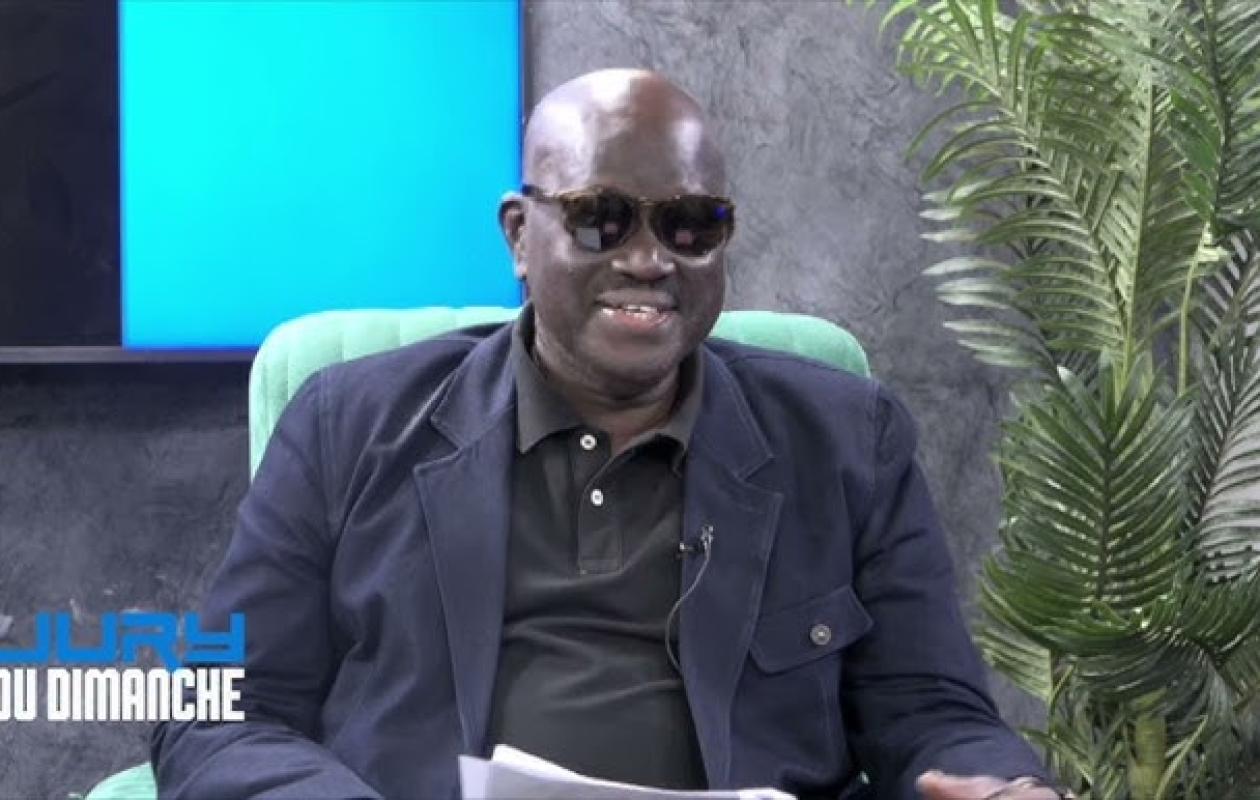
Professeur Abdoulaye Sakho : « Les télévisions, véritables patrons du sport mondial »
According to Professor Abdoulaye Sakho, transmission shapes the economics of football. He explains that "sport, once a simple popular pastime, has become a colossal industry, driven by enormous financial flows. At the heart of this transformation are television rights, now the primary engine of football's economic value."
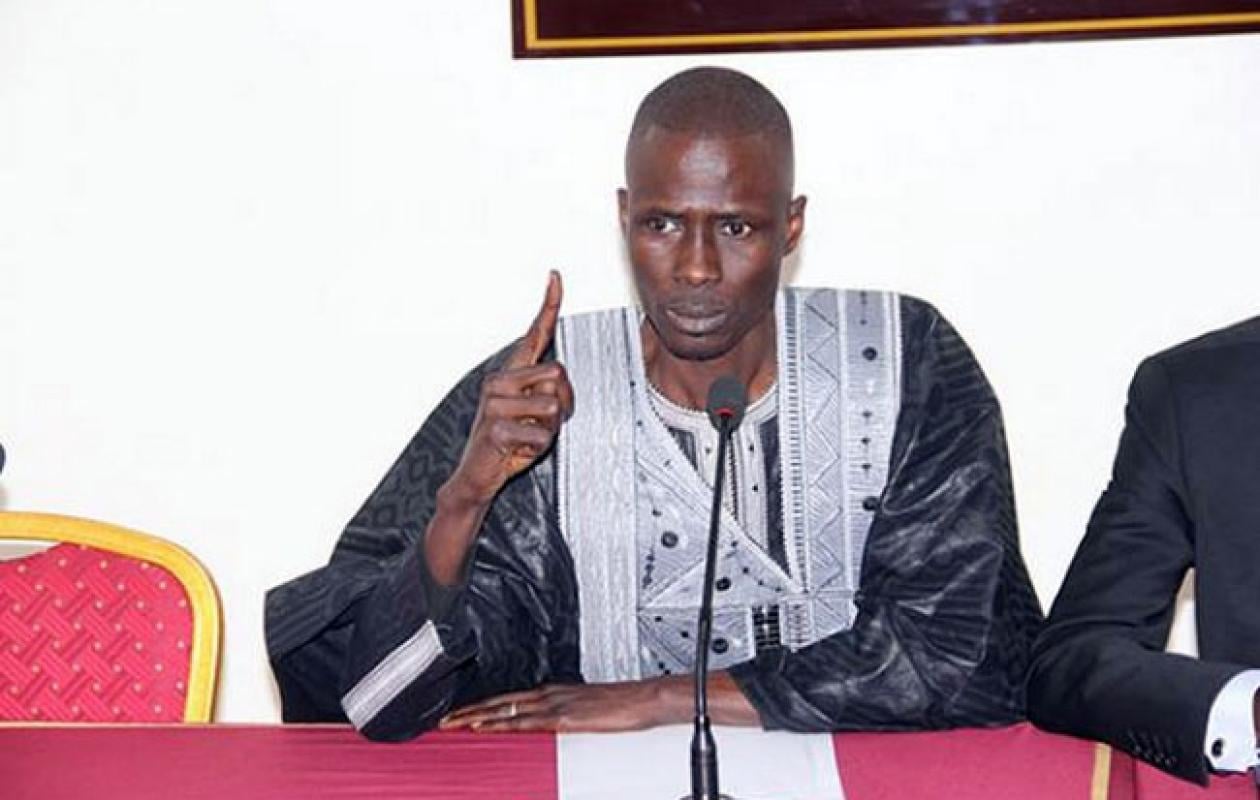
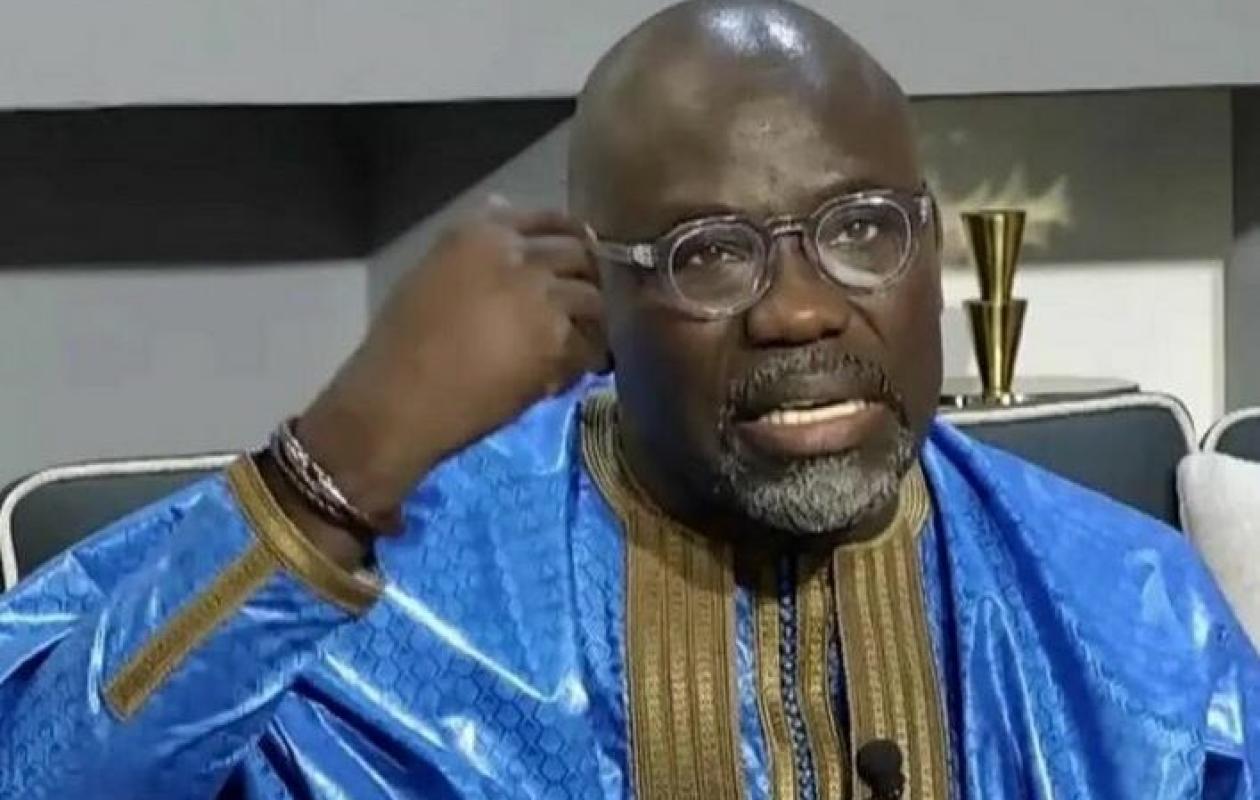
Invited to the "Sunday Jury" program on iRadio, Professor Sakho, a specialist in sports law, makes a clear observation: television networks are now the true power brokers of world sport. In the early decades of professional football, clubs lived primarily off ticket sales and sometimes public subsidies. This simple, local model was sufficient to finance regional competitions.
But the arrival of television changed everything, he says. "What finances sport today is television." For Abdoulaye Sakho, this shift is at the heart of the modern sports economy. "Broadcasting rights have become a strategic asset, sometimes more valuable than sponsorship revenue or even ticket sales."
Television as a central value
Financial data from FIFA and CAF confirms this: television rights represent a considerable share of revenue. In some competitions, they constitute almost half of the total resources.
“When you look at the balance sheets of FIFA, which is a veritable financial empire, and CAF, what constitutes their total resources… television accounts for almost half.” This central role gives broadcasters unprecedented power: controlling access to the sporting event itself. States, leagues, clubs, and federations, in turn, become clients of these rights holders.
Access has become costly for African populations.
For Professor Sakho, this development raises a crucial question about the accessibility of sports. "If Senegal wanted to broadcast all the matches of the Africa Cup of Nations... it's going to be complicated, almost two billion [CFA francs]. And can RTS (Senegal's national broadcaster) even do that?" The high cost of broadcasting rights limits access for African populations to major competitions on their own continent. Private broadcasters are becoming essential, sometimes opaque, intermediaries between federations and viewers.
Privatization of entertainment and legal definition
Abdoulaye Sakho draws particular attention to the tension between the public identity of national teams and the commercialization of sports entertainment. "The national team is not a private company. It represents the nation." Yet, it is often private entities that negotiate and sell broadcasting rights. When it involves a private club or an artist, the transaction doesn't raise any issues: the broadcasting rights are sold to the highest bidder. But when it comes to the national team, commercial logic clashes with the collective interest, argues Professor Sakho.
For him, it is essential to rethink certain mechanisms so that national teams remain an asset accessible to all citizens, and not only to holders of pay channels.
Intermediaries, monopolies and competition
The other issue raised by the guest on "Sunday's Jury" concerns the role of intermediaries in the commercialization of rights, a role often little known to the general public. "The one who profits is the show's owner and their intermediary. But who is behind this intermediary?" This situation can lead to dominant positions or monopolies that violate competition rules.
According to Professor Abdoulaye Sakho, competition law exists, but it is insufficiently mobilized in the African sports sector to regulate these practices and guarantee fair competition.
Another key observation is that the center of sporting entertainment is now located outside the African continent. "If you want good entertainment, you have to go to Europe." With schedules often adjusted to coincide with European leagues, the Africa Cup of Nations (AFCON) and other African competitions face constraints that limit their appeal and visibility. The dominant broadcasters are primarily located in Europe and North America, where the markets are enormous and advertising revenues are colossal.
In this context, the African continent plays the role of a provider of talent, without capturing its core value.
Spectator sport: how to regain control?
For Professor Sakho, the fundamental challenge is to enable Africa to organize its own sporting events, generate its own revenue, and reduce its dependence on foreign broadcasters. "We need to organize events here. Because that's what sport is all about today." This requires several elements: better structuring of local leagues, clear legal frameworks for the commercialization of rights, redistribution models adapted to African social realities, and a sovereign vision of sport, where the national team remains a public asset.












Commentaires (1)
Participer à la Discussion
Règles de la communauté :
💡 Astuce : Utilisez des emojis depuis votre téléphone ou le module emoji ci-dessous. Cliquez sur GIF pour ajouter un GIF animé. Collez un lien X/Twitter, TikTok ou Instagram pour l'afficher automatiquement.