Numérique et IA à l’école : Plus de 3 000 enseignants certifiés, l’État accélère la transformation éducative
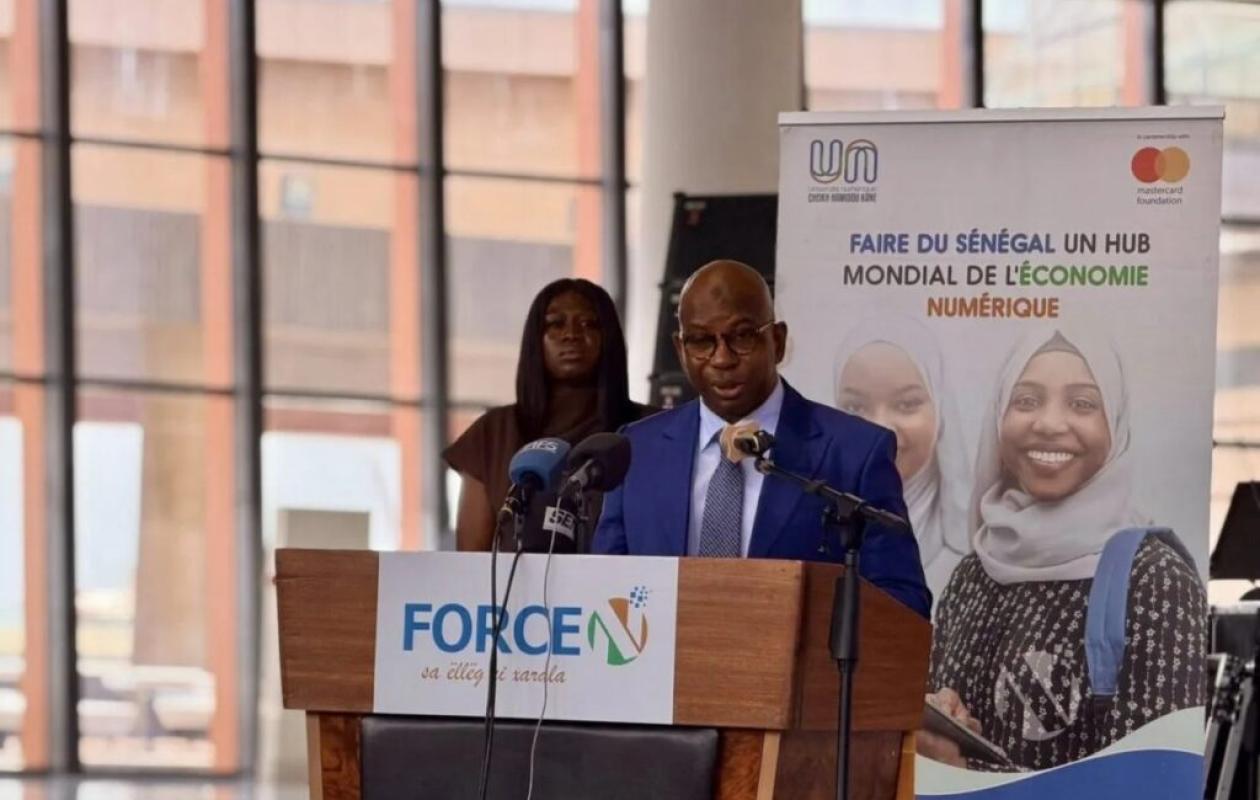
The digital transformation of Senegalese schools has reached a new milestone. On Thursday, February 19, 2026, a ceremony to recognize staff certified in digital skills (C21) and artificial intelligence (CIA) was held at the Mamadou Dia Administrative Building in Dakar, at the initiative of the Senegalese Ministry of National Education in collaboration with the Cheikh Hamidou Kane Digital University and the FORCE-N program.
In total, more than 3,000 teachers and education staff were honored, marking the culmination of the first pilot phase of an online training program dedicated to digital technology and artificial intelligence. Authorities present this step as crucial for modernizing the education system and strengthening human capital.
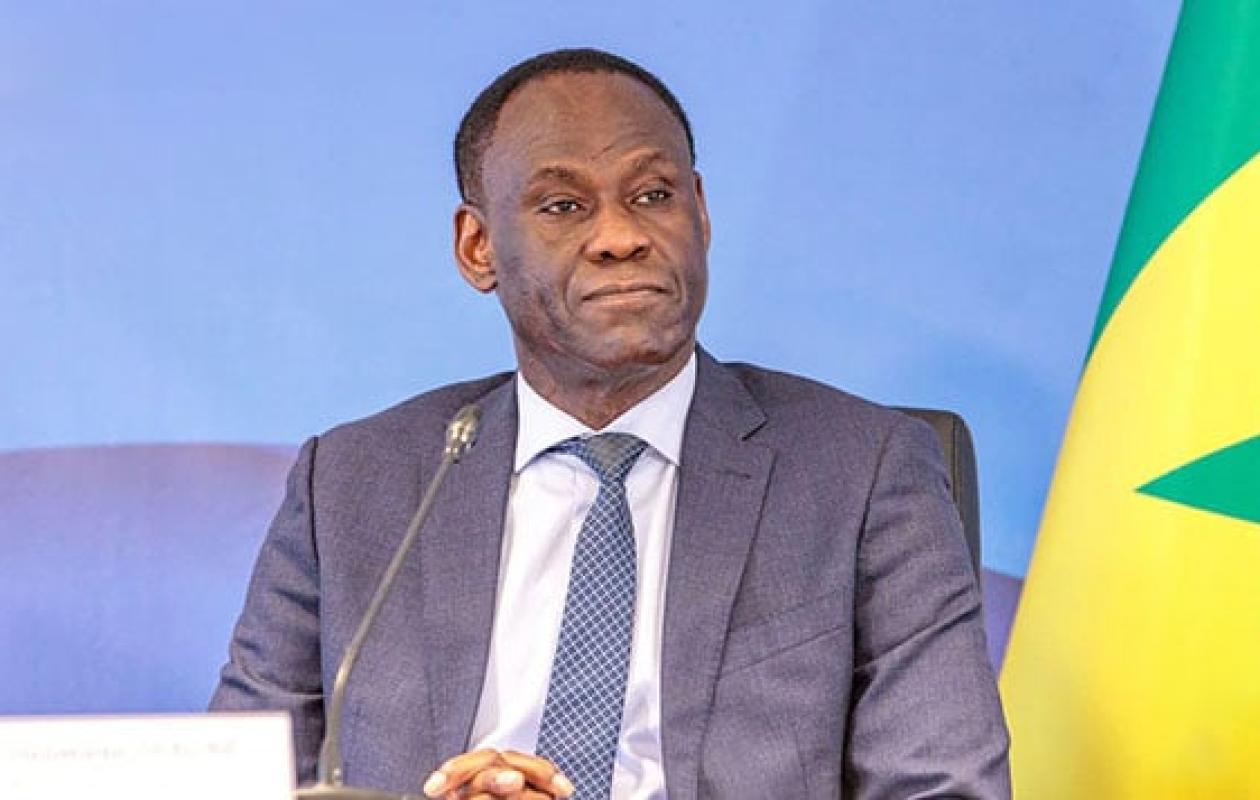
Presiding over the ceremony, the Minister of National Education, Moustapha Mamba Guirassy, emphasized the strategic importance of this initiative. "This is a decisive step in the country's digital transformation. But beyond the technological New Deal, it is the school system that is evolving," he declared, stressing the need to support teachers in the face of the rapid evolution of teaching practices and learning environments.
According to him, the transformation is not limited to technology: "The teacher, who is at the heart of the learning process, must be supported."
The minister also called for preserving human values in the use of digital tools, mentioning "values of ethics, inclusion and empathy" as the foundations for a successful integration of AI in schools.
Generalization in sight and expected impact
Regarding the outlook, the minister emphasized the scale of the undertaking: "We are 111,000 teachers, but we want to make these training courses mandatory." The pilot phase, which involves "around 3,000 recipients," should thus pave the way for a gradual rollout nationwide.
As for the benefits, Moustapha Mamba Guirassy is categorical: "In terms of impact, it changes everything. We will have more inclusion."
He highlights the potential of digital technology to reduce educational disparities, estimating that a teacher supported by AI "can perhaps reach thousands of children," particularly in a context marked by teacher shortages and territorial inequalities.
The minister also sees AI as a lever to disseminate knowledge in national languages, mentioning "the striking power that schools can have to connect with every child".
Sharing of practices and pedagogical vigilance
On the trainers' side, the emphasis is on disseminating acquired knowledge. Aby Guèye, national coordinator of arts education and trainer, states: "We are committed to sharing these good practices with our colleagues, our students and our institutions."
She believes that these tools will promote educational innovation and make it possible to better respond to the realities of students in remote areas.
When asked about the risks associated with the use of AI, including cheating or a decrease in intellectual effort, she acknowledges a real challenge: "It's a real problem, but we must support students in the proper use of AI."
For her, the challenge is to regulate uses so that technology becomes a lever for learning rather than a factor of misuse.
A school undergoing profound change
This ceremony illustrates the authorities' commitment to positioning schools at the heart of the national digital transition. Between the ambition of inclusion, the modernization of teaching practices, and new ethical challenges, the integration of digital technology and artificial intelligence is now emerging as a key element of educational policy.
With the announced generalization of training and the commitment of field actors, Senegal is thus beginning a new phase where the transformation of the school is combined with the challenges of the digital world, with a view to an educational system that is more accessible, more efficient and better adapted to the realities of the 21st century.

















Commentaires (4)
Participer à la Discussion
Règles de la communauté
💡 Astuce : Utilisez des emojis depuis votre téléphone ou le module emoji ci-dessous. Cliquez sur GIF pour ajouter un GIF animé. Collez un lien X/Twitter, TikTok ou Instagram pour l'afficher automatiquement.
Se connecter
Commentez avec votre profil, votre photo, et soyez averti des réponses.