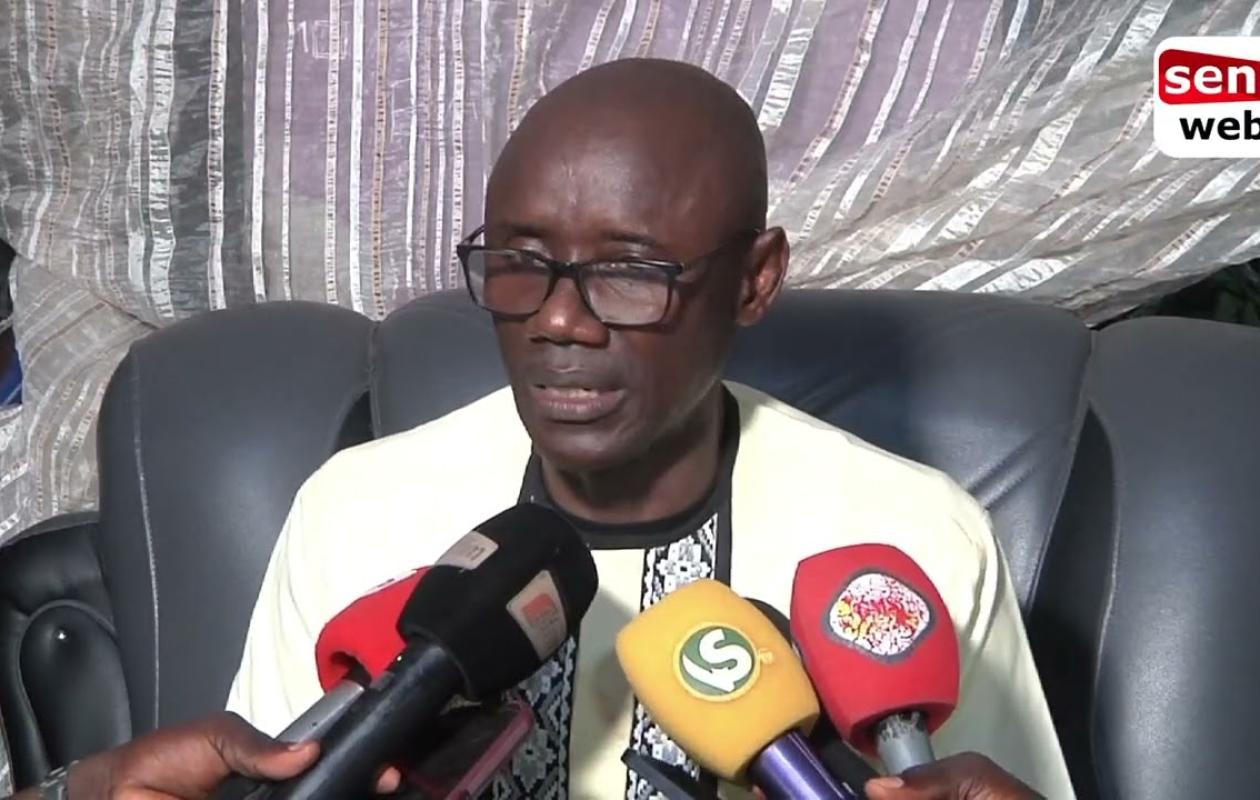
Affaire Boffa Bayotte : René Capain Bassène brise le silence après sa sortie de prison
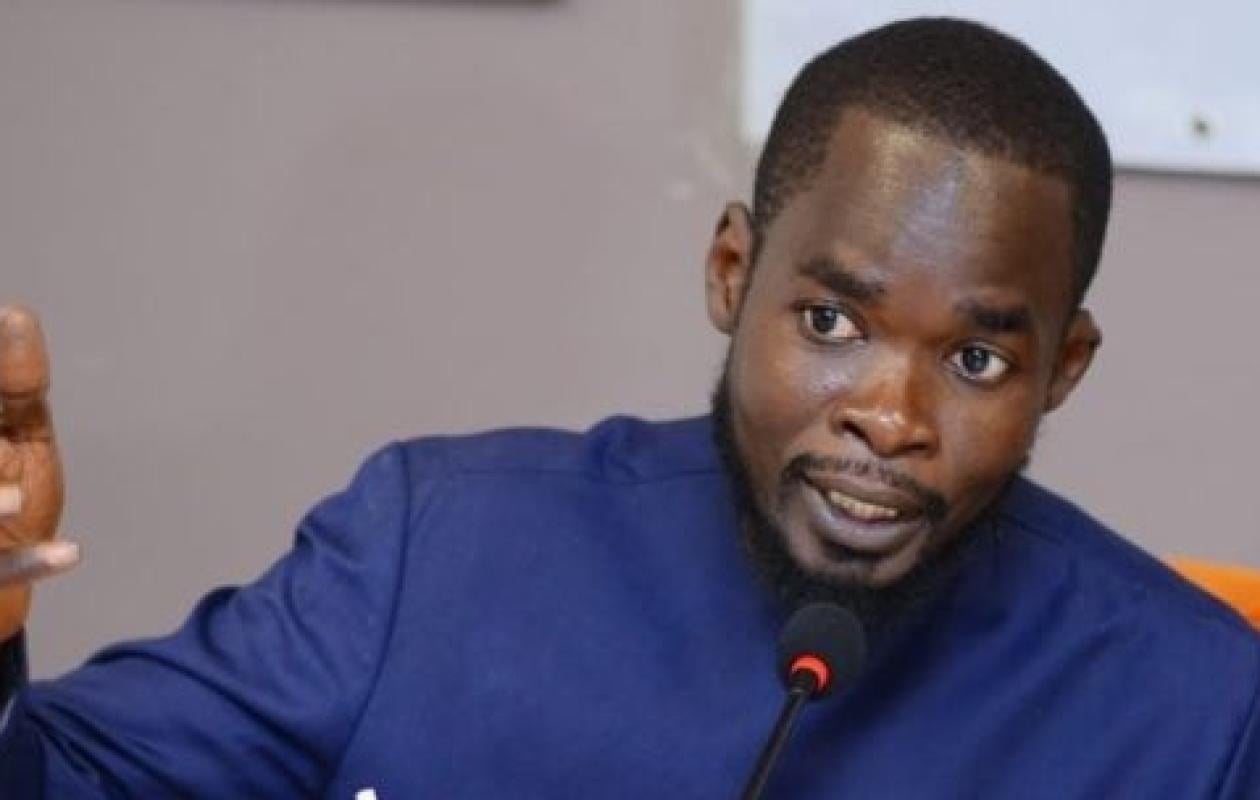
The release of René Capain Bassène, an investigative journalist imprisoned for over eight years, marks a symbolic turning point in the Boffa-Bayotte case. Thanks to the decision of President Bassirou Diomaye Faye, which he himself describes as "righting a wrong," Bassène has regained his freedom but still carries the weight of the accusations and the suffering he endured.
In his opening remarks, Mr. Bassène expressed a profound mea culpa to the victims' families: "I ask forgiveness of those who have lost their children, their brothers, their wives. May God help them, may He sustain them so that they may overcome this ordeal." His words conveyed both the pain of a broken man and a desire to connect with those who continue to suffer. He insisted that he had "done nothing," that he was "a victim and a witness" in this affair, and that he had never ceased to proclaim his innocence.
René Capain Bassène denounced the treatment he has received, the labels of "rebel" or "political tool" that have been attached to him, and reiterated that his fight is for the truth. "I'm not going to lie about my mother, I'm not going to lie about my brother, I'm not going to lie about my nephew. There are things one cannot do. I cannot pay, I can do nothing, but I ask for forgiveness," he confided, emphasizing his family's exhaustion and the ordeal his loved ones have endured.
Beyond forgiveness, he made a simple and human request: to be able to return to work to take care of his children and rebuild his life. "Let me go back to work," he implores, aware that the lost time can never be recovered, but determined to fill this void with his family.
His statement is also a plea for light and justice for the victims of Boffa-Bayotte. “I pray that the truth will come out,” he repeats, insisting on the families’ right to know who really killed their loved ones. For him, the presidential pardon should not close the case but pave the way for a truth essential to collective memory.
By stating that the president "righted an injustice," René Capain Bassène places his testimony within a broader perspective: that of a state acknowledging its mistakes and of a man who, despite his wounds, chooses to forgive and continue demanding justice. His release is thus both a powerful political act and a step in a struggle that remains unfinished.










Commentaires (4)
Participer à la Discussion
Règles de la communauté :
💡 Astuce : Utilisez des emojis depuis votre téléphone ou le module emoji ci-dessous. Cliquez sur GIF pour ajouter un GIF animé. Collez un lien X/Twitter, TikTok ou Instagram pour l'afficher automatiquement.