Grèves des Transporteurs : Dakar au rythme ralenti d’une grève inégale
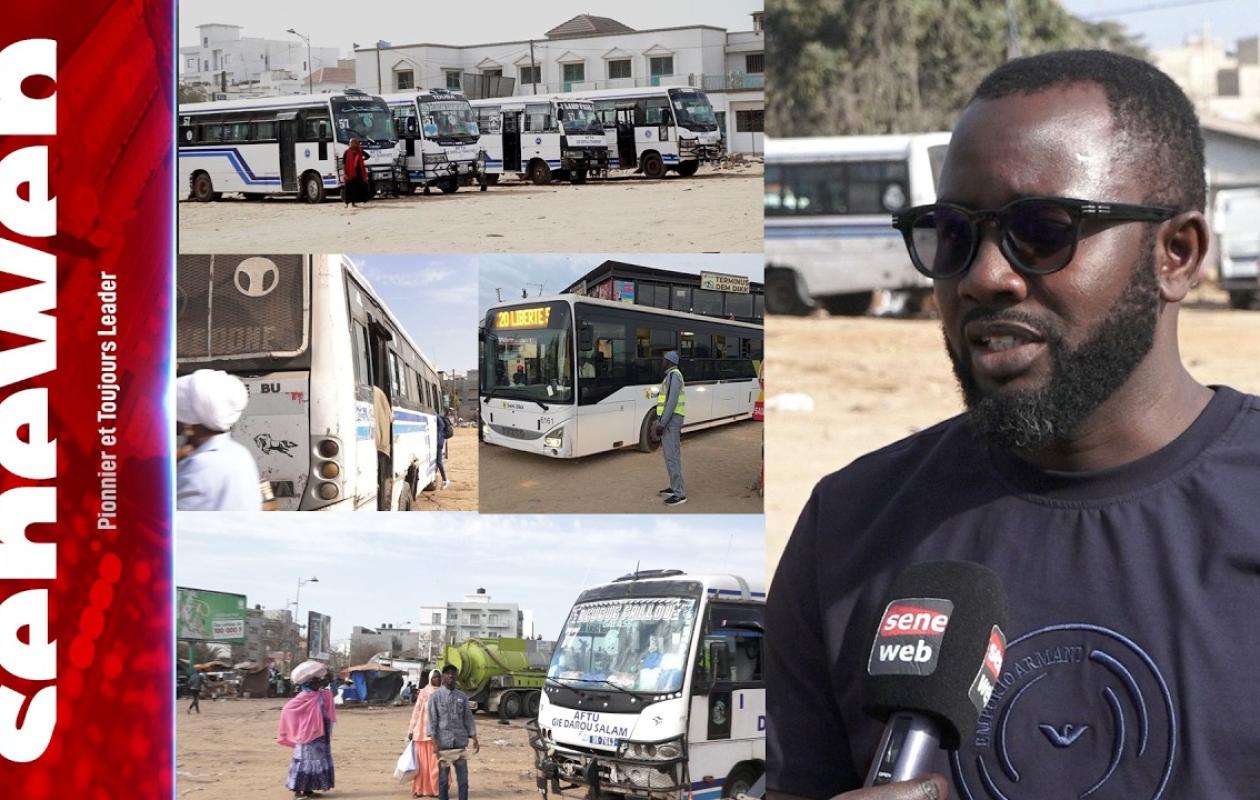
On Monday, March 30, 2026, in Dakar, the transport workers' strike, while not total, stood out as a jarring contrast in the urban landscape. It didn't completely paralyze the capital, but it disrupted its rhythm. On some routes, buses continued to operate, while on others, commuters faced difficulties getting around. In Liberté 5, the movement was evident in its nuances. While the Dakar Dem Dikk bus terminal maintained its daily schedule, albeit with a slightly busier atmosphere, the Aftu bus terminal wasn't deserted, but it wasn't full either. Two buses were running, while a third was absent. This absence spoke volumes about the uneven nature of the strike.
Some, in fact, manage to make their way through this measured chaos. Casually, Amadou Ndiaye, a regular customer of the buses commonly known as "Tata," says he had no trouble getting a bus that day. "I barely had any difficulty getting a bus. It's true there are fewer buses, but I still managed to find one," he says.
On the other hand, Maguette, a regular user of the Dakar Dem Dikk bus line, says she is not affected by the strike. "I'm aware of the strike, but I wasn't worried at all since I take the Dakar Dem Dikk buses every day. I knew they weren't affected by this strike," she explains. She does note, however, a larger crowd at the terminus. "It's true that some people who usually take other buses were forced to take the Dakar Dem Dikk today," she adds.
Mathioye Ndiaye, supervisor of the center for support to the professionalization of transport trades (Captrans), observes the scene. "At the Liberté 5 terminus, we have three Aftu buses that serve the area.
“As you can see, two buses are currently operating, as the drivers on the remaining line have complied with the strike order,” he said. He explained that the strike does not entirely affect the buses of the Association for the Financing of Urban Transport Professionals (Aftu). “The fact is that some unions are on strike, but Aftu is not among them. However, given that Aftu operates a large network, it is unlikely that the strike will not have an impact, even though the majority of staff are mobilized to assist passengers,” explained Mathioye Ndiaye, who was on site supervising the buses.
At Liberté 5, the strike is almost invisible. "It's true that the movement is rather timid, because some drivers belong to the unions that called the strike. However, at other terminals, buses are running as usual," assures the Captrans supervisor. For the transport companies, the demands remain unchanged. One bus driver, encountered on site, is calling for "better working conditions."
To limit the disruptions of this strike, the government has planned the mobilization of the fleets of the national company Dakar Dem Dikk as well as the deployment of an exceptional system of the Regional Express Train (TER) in order to ensure the continuity of public service.
The road transport sector is expected to remain disrupted until Wednesday, April 1, 2026. Fallou Samb, Secretary General of the Senegalese Road Transport Union, denounces a "lack of seriousness" and a "disregard for procedures" in discussions with the authorities. Transporters also criticize the















Commentaires (4)
Participer à la Discussion
Règles de la communauté
💡 Astuce : Utilisez des emojis depuis votre téléphone ou le module emoji ci-dessous. Cliquez sur GIF pour ajouter un GIF animé. Collez un lien X/Twitter, TikTok ou Instagram pour l'afficher automatiquement.
Se connecter
Commentez avec votre profil, votre photo, et soyez averti des réponses.