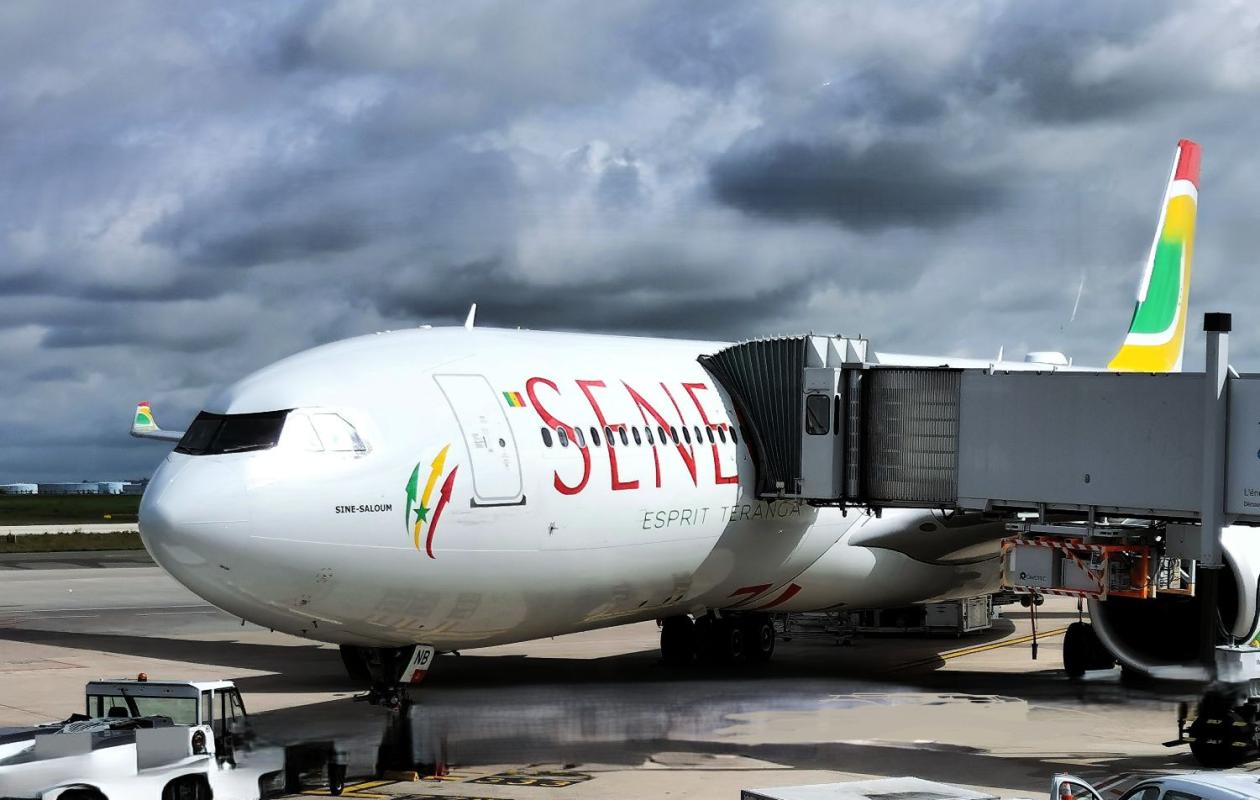
Air Sénégal : 118 milliards de dettes et un plan de survie au scanner
The outlook is slowly improving for Air Senegal, which is trying to extricate itself from a period of severe financial turbulence. During the traditional "Ndogou de la presse" (a traditional Senegalese meal) in Dakar, the company's management presented a frank assessment of the situation. While executives assert that the levers for recovery have now been identified, the urgency of their implementation remains the crucial issue. The initial assessment, recalled by Deputy Managing Director Farba Diouf, is staggering: upon resumption of operations in August 2024, the company had a debt of 118 billion CFA francs, divided between private partners (52 billion) and public entities (66 billion). Even more alarming, the cumulative losses for 2022 and 2023 alone amounted to 139 billion CFA francs, a situation which, according to OHADA criteria, should normally have led to outright closure.
Surgical restructuring to stop the bleeding
Faced with this imminent threat, the new CEO, Tidiane Ndiaye, launched a series of radical reforms to stabilize the airline. The strategy involved pruning the dead ends of the network to preserve the core. By closing seven chronically unprofitable routes, Air Senegal managed to save approximately 3.4 billion CFA francs per month, whereas its monthly losses previously reached 6.7 billion. This austerity program reduced the overall deficit by 24% and operating expenses by 11.5% between 2024 and 2025. To optimize aircraft occupancy, the company is now prioritizing triangular routes such as Dakar-Bamako-Abidjan, transforming complex logistics into a lever for commercial efficiency.
The challenge of sovereignty in the face of administrative inertia
Despite these encouraging signs, the recovery is hampered by persistent structural and financial obstacles. While private debt has been reduced from 52 billion to 37 billion FCFA, public debt has ballooned to 94 billion. Salvation could come from a proposed cross-debt compensation mechanism for the State, capable of erasing nearly 71 billion FCFA with a simple accounting adjustment. However, time is running out. In February, the Prime Minister granted a thirty-day deadline to finalize the recovery plan and mobilize the necessary resources to settle urgent debts. With this deadline now expired, the inter-ministerial meeting this Monday, March 16, appears to be the moment of truth to validate the long-awaited recapitalization and rationalization audit.
Towards a new diversified air group model
The management's ambition goes beyond mere operational survival. The recovery plan envisions transforming Air Senegal into a diversified group, integrating subsidiaries like Air Senegal Express. The central idea is that passenger transport alone cannot guarantee profitability. To ensure the airline's long-term viability, developing ancillary and complementary activities is crucial. Farba Diouf emphasizes that the technical expertise is present, but without a definitive resolution of past debts, the debt continues to grow automatically, as new payments are often absorbed by existing arrears. The company's fate now rests on the government's ability to translate its political commitments into tangible cash to restore the confidence of suppliers and aircraft lessors.











Commentaires (9)
Participer à la Discussion
Règles de la communauté :
💡 Astuce : Utilisez des emojis depuis votre téléphone ou le module emoji ci-dessous. Cliquez sur GIF pour ajouter un GIF animé. Collez un lien X/Twitter, TikTok ou Instagram pour l'afficher automatiquement.