Banques centrales africaines : la symétrie fragile entre inflation et croissance
Monetary policy in Africa takes place within a complex context where institutional independence, government expectations, and the need to maintain price stability intersect. Central banks must preserve their credibility with markets while adapting to economies exposed to external shocks, commodity price fluctuations, and social pressures. This management requires finding a balance between controlling inflation, supporting economic growth, and ensuring the soundness of the financial system—objectives that do not always overlap and can create tensions regarding the hierarchy of priorities.
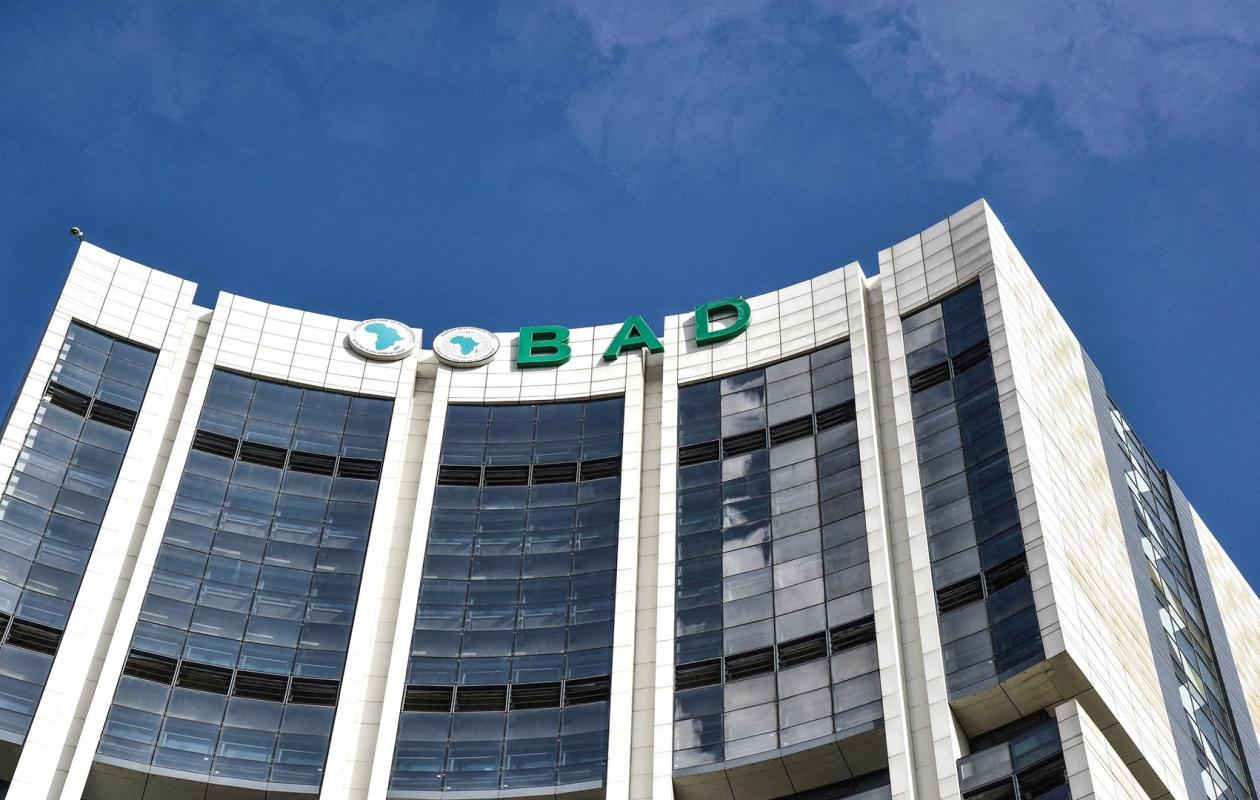
Political pressures also influence decisions, particularly during election periods or in the face of a prolonged economic slowdown. Central banks must then navigate between technical rigor and sensitivity to the immediate needs of populations. According to data from the African Development Bank, average inflation in sub-Saharan Africa was estimated at around 4% in 2025, with peaks exceeding 15% in some fragile countries, illustrating the difficulties of maintaining price stability while supporting economic activity.
In this context, monetary governance relies on the ability to anticipate shocks, coordinate economic policies with fiscal authorities, and communicate transparently to maintain the confidence of economic actors. The success of this strategy determines not only macroeconomic stability but also the resilience of societies in the face of external and internal crises.























Commentaires (1)
Participer à la Discussion
Règles de la communauté :
💡 Astuce : Utilisez des emojis depuis votre téléphone ou le module emoji ci-dessous. Cliquez sur GIF pour ajouter un GIF animé. Collez un lien X/Twitter, TikTok ou Instagram pour l'afficher automatiquement.