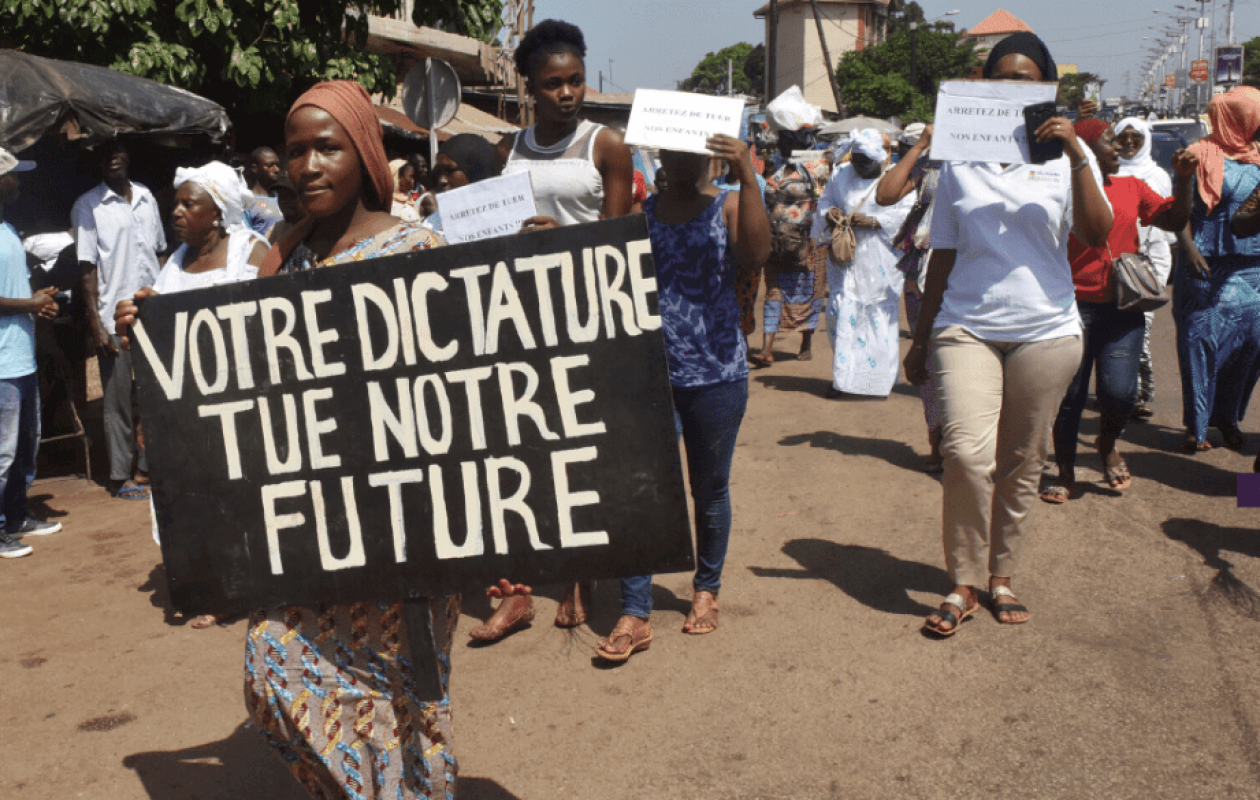
La jeunesse guinéenne face au défi de la gouvernance publique
In Guinea, youth represent much more than a simple demographic category: they constitute a social, political and economic force capable of profoundly influencing the future of the country.
In a context marked by the political transition undertaken under the leadership of President Mamadi Doumbouya, the question of youth participation in public governance emerges as a major issue for the consolidation of institutions and the construction of a modern state.
With a population largely dominated by young people, Guinea possesses considerable human capital. These young people, connected to the world and increasingly educated, have strong aspirations: transparency in public administration, social justice, economic opportunities, and active participation in decision-making. They no longer want to be mere spectators of political transformations; they aspire to become agents of change.
Between civic engagement and new forms of participation
In recent years, youth engagement has manifested itself through several channels: citizen associations, community initiatives, civil society organizations, and especially digital platforms. Social networks have become spaces for expression and mobilization where young people debate, analyze, and challenge public decision-makers. This dynamic reflects a growing desire to participate in democratic debate and contribute to shaping public policy.
Despite this dynamism, the place of young people in decision-making bodies is still limited. Several factors explain this situation: lack of access to political opportunities, insufficient training in leadership and governance, but also certain institutional and social barriers.
However, depriving young people of an active role in the management of public affairs is tantamount to depriving oneself of an essential source of innovation and energy.
Building a more inclusive governance
To meet current challenges, it is essential to rethink the mechanisms of political participation. Integrating young people into public institutions, promoting leadership training programs, and encouraging civic entrepreneurship can be important levers. Truly inclusive governance relies on recognizing the strategic role of youth in shaping public policy.
Youth involvement in governance should not be seen as a mere generational demand, but as a national necessity. Guinea's future will depend largely on the ability of its institutions to harness the energy, creativity, and commitment of its youth.
In a rapidly changing world, Guinean youth possess the resources and ambition necessary to actively participate in the country's transformation. Opening the doors of governance to them is an investment in the nation's stability, innovation, and sustainable development.


















Commentaires (0)
Participer à la Discussion
Règles de la communauté :
💡 Astuce : Utilisez des emojis depuis votre téléphone ou le module emoji ci-dessous. Cliquez sur GIF pour ajouter un GIF animé. Collez un lien X/Twitter, TikTok ou Instagram pour l'afficher automatiquement.