L'ombre des juntes sahéliennes derrière la tentative de putsch au Bénin
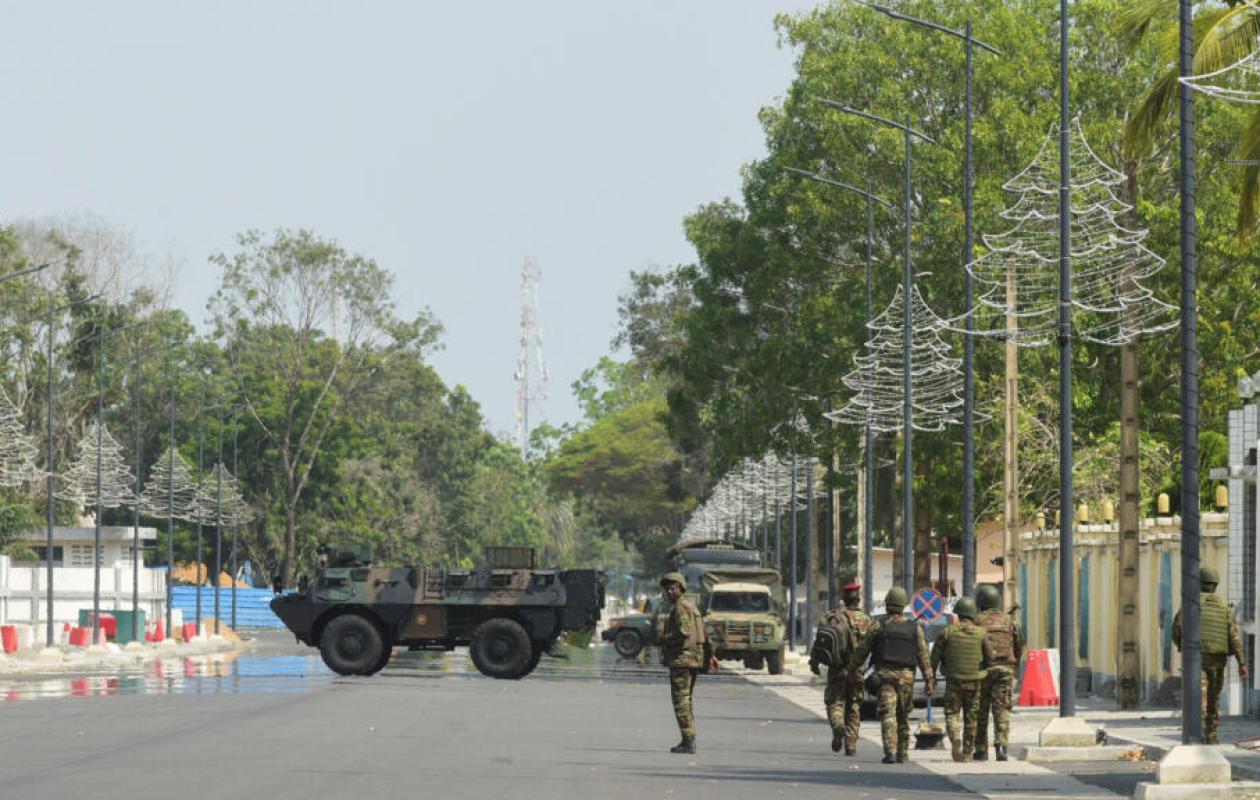
The shadow of the Sahelian juntas, hostile to the West and seeking access to the sea for their landlocked countries at all costs, looms behind the attempted coup quickly thwarted in Benin in early December, a situation which reveals a West Africa more divided than ever.
Between the deluge of fake news on the networks on the morning of the attempted coup and the possible exile of the mutineers' leader to one of their capitals, several observers believe that the juntas of the Alliance of Sahel States (Burkina Faso, Mali, Niger), hostile to the West and close to Moscow, would have viewed the success of the coup favorably.
From Sunday morning, as soldiers appeared on television in Cotonou to announce that they had deposed Beninese President Patrice Talon, coordinated messages from pro-AES accounts proliferated on social networks to support the coup.
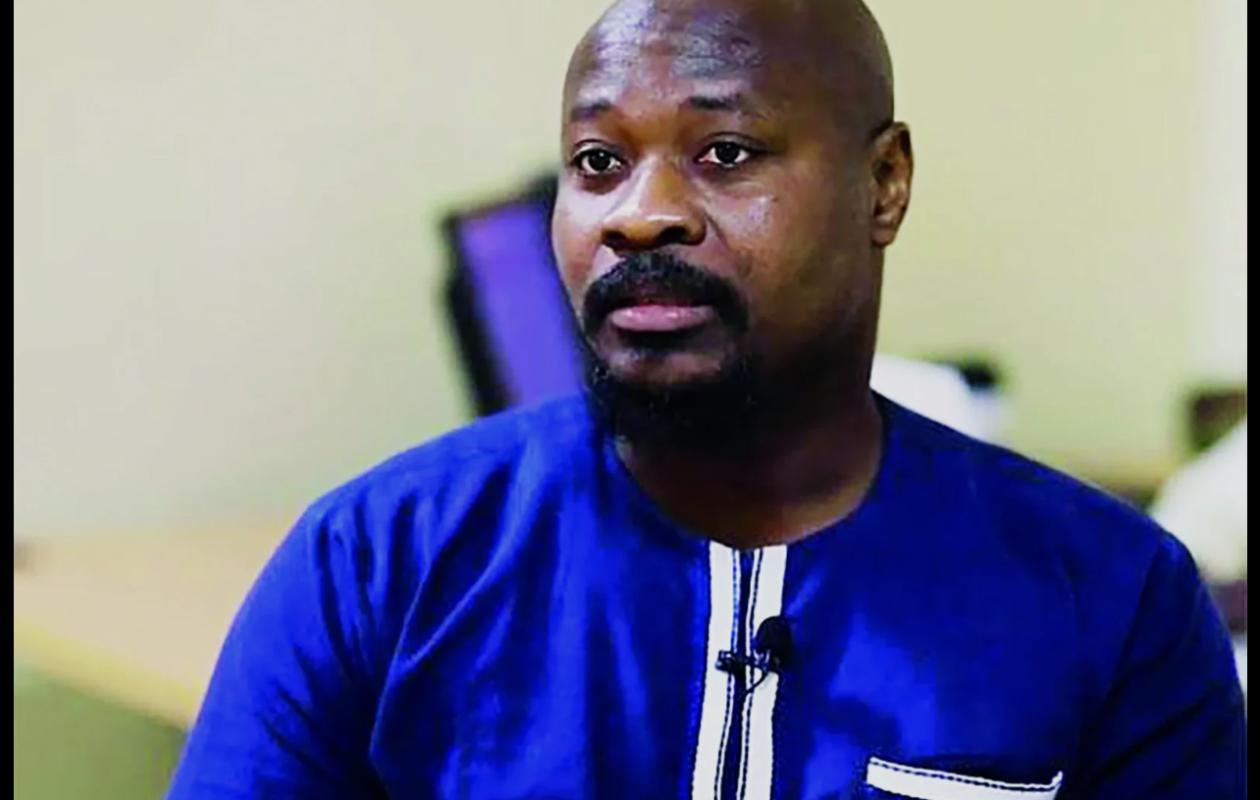
For example, the pan-Africanist and anti-Western influencer Kemi Seba, with his million and a half subscribers, rejoiced almost instantly at the "day of liberation" of Benin.
In addition to his anti-Talon stances, whom he criticizes in particular for his close ties with Paris, Kemi Seba has been an advisor to General Abdourahamane Tiani, the head of the Nigerien junta, since last year, who even granted him a diplomatic passport.
"This haste speaks volumes: either the man knew, or he had received instructions to amplify well before the outcome. The objective was clear – to create a media fait accompli, to provoke opportunistic rallying, to impose the narrative of a popular uprising," analyzes Fiacre Vidjingninou, a Beninese doctor in political and military sociology, in the journal Conflits.
An international arrest warrant has been issued by Benin against Kemi Seba for "justifying crimes against state security and inciting rebellion." He has responded that he intends to "see this fight through to the end."
"It is clear that the attempt to destabilize the Cotonou regime directly threw Benin into the ranks of the AES with the rhetoric we know," points out a West African diplomatic source.
The leader of the coup plotters, Lieutenant-Colonel Pascal Tigri, is on the run and has not reappeared since the coup of December 7.
"If he is in a capital of the AES, he is safe, he runs no risk of being handed over to Benin," notes Seidik Abba, president of the International Center for Studies and Reflections on the Sahel.
So did the AES simply want to capitalize on the attempted coup, or did it initiate it?
Since General Tiani came to power in Niamey in 2023, Niger has kept its border closed with its neighbor Benin, accusing it of hosting "French bases" aimed at destabilizing it, accusations never substantiated and denied by Cotonou and Paris.
"If the coup had succeeded, it would certainly have been good news for the AES: a change of regime would have initiated a start of normalization with Benin. But there is no material evidence at this stage that shows that a Sahelian country has transferred money or equipment to the coup plotters," notes Seidik Abba.
"That's the whole subtlety of the method – and Moscow proceeds in the same way in sub-Saharan Africa: shaping environments rather than directly commanding," adds Fiacre Vidjingninou.
The three countries of the AES, with their sovereignist policies, have slammed the door on ECOWAS, the West African organization, but they are all landlocked and deprived of crucial access to the sea to sell their goods, and in particular the precious Nigerien uranium.
During a summit on Sunday devoted in particular to Benin, ECOWAS was careful not to place the blame on the AES.
"The mutual economic interests between coastal and Sahelian countries remain strong," recalls Seidik Abba.
In stark contrast to the recent coups that brought juntas to power in the ESA countries - between 2020 and 2023 - the Beninese population did not take to the streets and a few hundred people even gathered this weekend to denounce the attempted coup.
The Republican Guard remained loyal to Patrice Talon from dawn, repelling an assault on his residence, before gradually regaining control of the situation, later aided by strikes from neighbouring Nigeria under the aegis of ECOWAS, and by an intervention of French special forces for a sweep.
Nigeria and ECOWAS were notably powerless during the coup in Niger in 2023.
Nigerian President Bola Tinubu thus "seized a golden opportunity to underline Nigeria's opposition to a coup and reaffirm its regional leadership," according to Nnamdi Obasi, an analyst for International Crisis Group (ICG).
"If the attack succeeds, the AES gains a coastal ally (...) if it fails, it pays no price – no losses, no compromising footprint – while having tested the opposing defenses and identified their weaknesses for the next attempt," concludes Fiacre Vidjingninou.











Commentaires (7)
Tous les autres pays africains ont refusé de l intégrer
L AES cherche en vain un port maritime peine perdu
Paradoxalement on continue encore à parler français pas le russe
Le CFA monnaie coloniale de France est toujours utilisée
Quand on n aime pas la poule on doit pas manger sa chair et ses oeufs dit un proverbe africain
Honneur au peuple digne du Bénin qui ne veut pas d'un pouvoir archaïque au service de Moscou
Ce n'est qu'un avertissement
Merci à Ouattara et au président du Nigeria
Sortez le bâton sans pitié
Participer à la Discussion
Règles de la communauté :
💡 Astuce : Utilisez des emojis depuis votre téléphone ou le module emoji ci-dessous. Cliquez sur GIF pour ajouter un GIF animé. Collez un lien X/Twitter, TikTok ou Instagram pour l'afficher automatiquement.