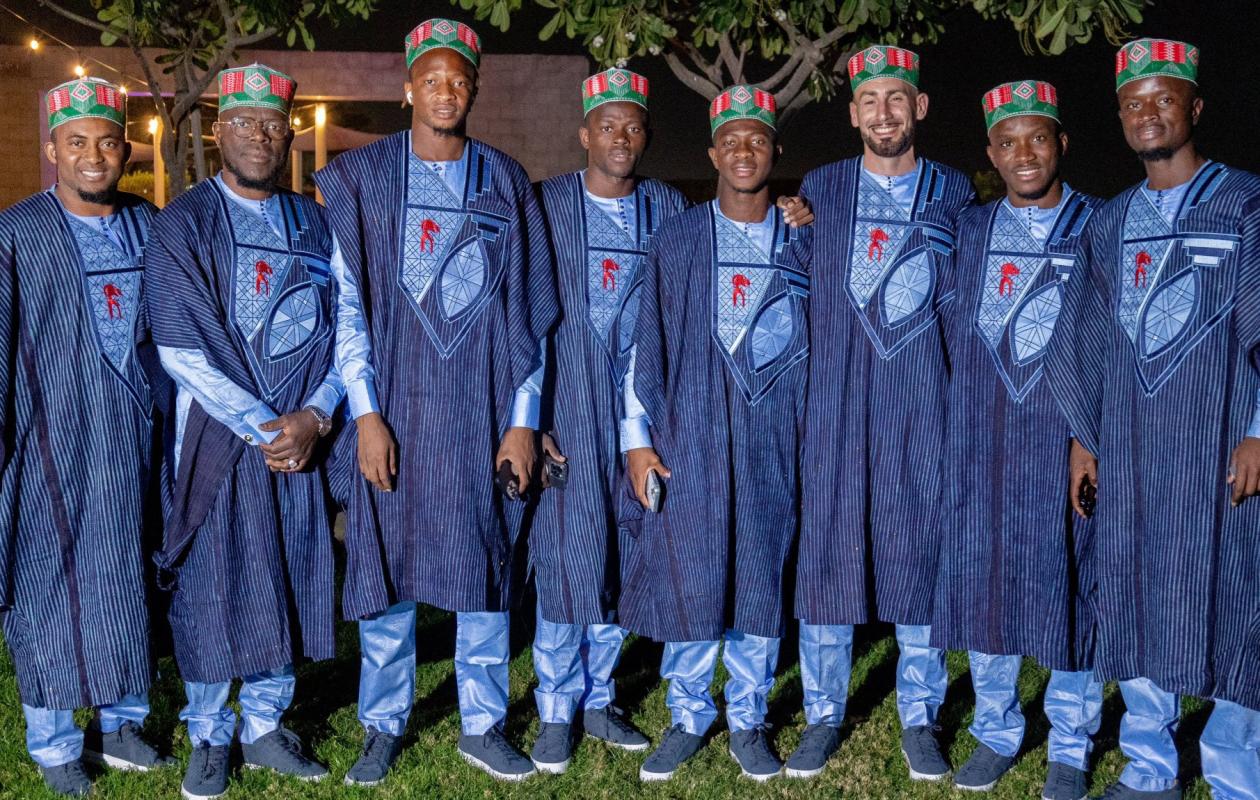
Mode et tradition : la jeunesse guinéenne redonne vie au “léppi” et au “bazin riche”
Between modernity and cultural heritage, a new generation of young Guineans is reviving pride in traditional clothing. The léppi and bazin riche, long perceived as outfits reserved for ceremonies or elders, are now becoming symbols of style, identity, and African elegance.
A deliberate return to authenticity
In the streets of Conakry, as well as on social media, young people proudly display their outfits made from local fabrics. The léppi, once a simple hand-dyed loincloth, is now being reinvented by Guinean designers who are incorporating modern cuts, fine embroidery, and urban accessories.
As for the rich bazin, imported but deeply rooted in African traditions, it is experiencing a true renaissance: vibrant colours, luxurious finishes and tailor-made personalisation appeal to both young men and women.
“Wearing the léppi is a way of proudly displaying our roots, while showing that we can be modern and African at the same time,” explains Mariam Bah, a fashion designer in Kipé.
Guinean creators at the forefront
New local brands, often worn by young designers trained on the job or abroad, are helping to make traditional textiles a true tool for cultural expression.
Names like Wayna, Zalin Style, or Maison Guinée Chic appeal to a young and connected clientele, who demand conscious, proud and African fashion.
These creators also participate in the revitalization of Guinean craftsmanship — dyers, embroiderers, seamstresses — by promoting “buying local” in the clothing sector.
The symbolic weight of the fabric
Beyond fashion, the léppi and bazin riche tell a story.
Each color, each pattern, each stitch carries a symbolic charge: that of dignity, beauty, but also of community bond.
In weddings, ceremonies or even professional events, these fabrics are once again becoming a sign of a reaffirmed cultural identity.
“Our clothes are a language. They say who we are, where we come from, and what we want to convey,” confides a young designer from Matoto.
When tradition becomes trendy
Today, the léppi and the bazin are no longer confined to traditional ceremonies.
Young people wear them proudly in offices, at parties, and even on the catwalks of fashion shows in Conakry or Paris.
Guinean influencers play a central role in this democratization, showcasing stylish outfits in the country's colors on Instagram or TikTok.
This dynamic shows that Guinean culture is adapting and reinventing itself, without denying its essence.
Towards a distinctive textile industry
If this cultural renaissance continues, Guinea could develop a genuine local fashion industry, generating jobs and opportunities.
The challenge remains access to raw materials, vocational training and international visibility.
But one thing is certain: Guinean youth have chosen to restore traditional fabric to its rightful place — that of a symbol of dignity and national pride.





















Commentaires (18)
Bravo a la jeunesse Guinéenne
L'habit ne fait pas le moine, de toute façon.
Soo leen paree ngueen taal seen smartphone, ngueen exclusivement en arabe, ou en latin.
Faire cas de peu de chose. Fierté de pacotille doongou.
ah Senegalais, mais je ne peux pas vous renier.. mon pere est Senegalais.
Les machines a coudre sont importées
Les boutons et les fermetures éclairs itou
Tout ça pour ça!
Participer à la Discussion
Règles de la communauté :
💡 Astuce : Utilisez des emojis depuis votre téléphone ou le module emoji ci-dessous. Cliquez sur GIF pour ajouter un GIF animé. Collez un lien X/Twitter, TikTok ou Instagram pour l'afficher automatiquement.