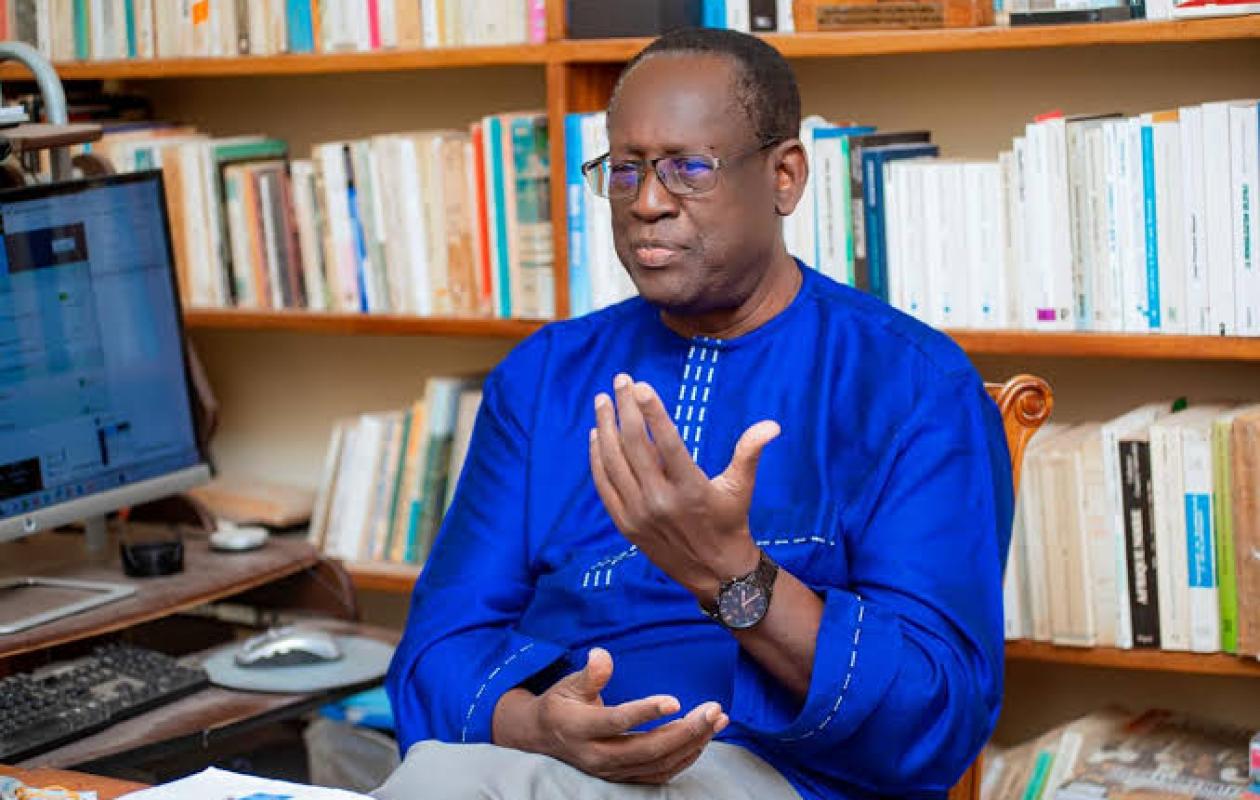
Le miroir socioculturel des élites africaines : obstacle à l'intelligence géopolitique ?
As geopolitical rivalries reshape the world order and the energy transition forces a race for critical minerals, a crucial question arises: why does strategic intelligence remain a neglected aspect of African public policy? Even more concerning: why does the African diplomatic voice remain so faintly audible in the forums where the rules of the global game are decided?
The paradox is striking in its obviousness. Africa holds more than 30% of the world's strategic mineral reserves and will be the most populous continent by 2050. Yet, this new geostrategic centrality is not reflected in a robust culture of foresight, nor in diplomatic proactivity commensurate with the challenges. This analysis aims to rigorously identify the structural obstacles hindering the continent's strategic projection.
African public action remains trapped in the short term: managing social tensions, making constrained budgetary choices, dealing with pressing electoral calendars, and negotiating with creditors. Immediate action devours political and administrative energy. Yet, strategic foresight requires precisely the opposite: long-term thinking, administrative continuity, dedicated teams, and sustainable collective intelligence.
This prioritization of urgency leads to essentially reactive governance. Fires are put out rather than prevented; rules are adapted rather than being developed. In 2026, as major powers intensify their presence through opaque bilateral agreements on critical minerals, this reactivity exposes African states to unbalanced negotiations whose long-term consequences have not been assessed.
Beyond the economic stakes, it is the low diplomatic visibility of African elites that is striking. While the 1945 international order is undergoing its most radical challenge, the African voice struggles to be heard in decisive forums.
The case of UN Security Council reform is emblematic. Since the 2005 Ezulwini Consensus, the African Union has legitimately claimed at least two permanent seats with veto power. Yet this position remains unheard in New York and Geneva. Why? Because African diplomacy lacks strategic coordination, thorough technical preparation, and systematic lobbying of both permanent members and emerging powers.
Meanwhile, India is pursuing a methodical diplomacy, mobilizing its influential diasporas and forging targeted alliances. Brazil, Japan, and Germany maintain consistent and professional diplomatic pressure. Africa too often simply repeats its demands without a structured influence strategy, without mapping potential alliances, without considering alternative scenarios.
This weakness is evident in other crucial arenas. At the COPs, African countries arrive divided, with contradictory national positions. At the WTO, where the rules of international trade that shape African industrialization are decided, African technical representation remains insufficient. At the IMF and the World Bank, African quotas remain scandalously underrepresented: less than 6% of voting rights for 18% of the world's population.
More worryingly, in the new regulatory arenas (AI governance, cybersecurity, cryptocurrencies, digital sovereignty, 5G/6G frequencies), the African presence is virtually nonexistent. Yet these issues will determine the room for maneuver of African states for the next fifty years. This lack of proactivity stems from the chronic underfunding of embassies, the fragmentation of African positions, the absence of pan-African diplomatic think tanks, and the lack of investment in training a truly professional diplomatic elite.
Major powers maintain permanent and well-funded intellectual infrastructures: influential think tanks (Brookings, Chatham House, CSIS), dedicated foresight centers, and schools of strategy with direct contact with policymakers. In Africa, initiatives exist (SAIIA, Policy Center for the New South, ISS), but they suffer from three major problems: chronic underfunding, dependence on external funding, and weak integration with actual political decision-making centers. Too often, high-quality intellectual production remains peripheral to the state, fragmented among competing initiatives, and poorly integrated into effective decision-making processes.
This disconnect between intellectual production and political decision-making represents a considerable loss. The most relevant analyses, the most lucid warnings, the most rigorously constructed scenarios remain without tangible effect if they are not effectively integrated into the processes of public policy formulation, the preparation of positions for international negotiations, and the strategic decisions of governments.
Meanwhile, elite training remains insufficiently geostrategic. Senior civil servants and diplomats excel in public law and orthodox economics, but the world of 2026 demands more: applied geoeconomics, competitive intelligence, standards warfare, influence diplomacy, currency rivalries, cybersecurity, and mastery of the intricacies of international institutions. Without systematic training in these areas, global dynamics (US-China tensions, the expansion of the BRICS+, the battle for strategic minerals, diplomatic maneuvers around the Security Council) are endured rather than anticipated and integrated into a coherent vision.
Economic and financial dependence weighs heavily on the capacity for foresight and proactive diplomacy. When a state relies on foreign aid or IMF programs, adopting diplomatic positions likely to displease donors may seem risky. This reasoning is flawed: the absence of strategic foresight and proactive diplomacy precisely reinforces the dependence it purports to mitigate. Sovereignty begins with an independent capacity to analyze the world and to professionally defend one's interests in all international forums.
Finally, public debate remains focused on legitimate domestic emergencies (employment, governance, basic services, conflict management) without explicitly linking them to the global power dynamics that shape them. Imported inflation, debt that constrains social investment, the energy transition, the digital divide, the absence of permanent African seats on the Security Council: all these phenomena are inseparable from global geopolitical dynamics. Without widespread strategic education, public opinion cannot exert informed pressure on leaders to encourage them to invest in international monitoring and adopt ambitious diplomatic positions.
Africa is no longer peripheral; it has become central. Critical minerals, arable land (60% of available cultivable land by 2030), markets of 1.4 billion people, and demographic dividends: the realignments around the BRICS+, the diversification of maritime and digital routes, and initiatives for mineral sovereignty (Marrakech Declaration 2025) offer historic opportunities. But seizing them requires organized monitoring and proactive, professional, and coordinated diplomacy at the continental level.
Several concrete levers for action are needed: establishing permanent foresight units attached to the presidencies of the Republic; massively strengthening diplomatic capacities (foreign affairs budgets, specialized diplomats by sector, training in complex multilateral negotiations); creating a "Pan-African School of Diplomacy and International Negotiation" training a common diplomatic elite; sustainably funding pan-African research centers producing operational diplomatic briefings; systematically integrating geoeconomics, technological diplomacy and negotiation techniques into the training of managers; creating bridges between universities, the private sector and the public sphere; bringing global issues and African diplomatic positions into the public debate.
Strategic monitoring and diplomatic proactivity directly condition the ability to negotiate balanced mining contracts, anticipate debt crises, select technology partners who respect digital sovereignty, effectively defend continental interests (WTO, IMF, COP climate, G20), and finally obtain the permanent African representation on the UN Security Council that has been demanded for two decades.
In a multipolar and fragmented world, failing to anticipate strategic events and exert diplomatic influence is tantamount to being subject to decisions made elsewhere. Nations that clearly understand global dynamics and professionally defend their interests acquire the capacity to help shape the rules of the global game. Those that refrain from doing so suffer the consequences, often severe and long-lasting.
For African states committed to economic sovereignty and industrialization, strategic intelligence and proactive diplomacy must cease to be mere afterthoughts. They must become core functions of the modern African state. A nation's political maturity is measured by its capacity to think long-term, to anticipate the consequences of its choices, and to defend its interests professionally in all international forums.
In 2026, as Africa accelerates its diversification of partnerships, lays the foundations for mineral sovereignty, strengthens its regional integration (AfCFTA), and reiterates its demands for Security Council reform, the time has come to move from a posture of passive reaction and timid diplomatic presence to one of strategic preemption and professional diplomatic influence. The future cannot be waited for; it must be deliberately built, based on rigorous analysis, clear-sighted choices, and structured influence diplomacy. Strategic foresight and proactive diplomacy are the primary, indispensable, and irreplaceable tools for building a truly sovereign and influential African future.



![[EXCLUSIF] Expulsion de la famille Srour : L'accusée Khady Diagne se prononce, documents à l'appui](https://image.seneweb.com/content/news/2026-20-14//thumb_1260x800_6a05cc2715573_a9nMMiStMC.jpg)










Commentaires (4)
Participer à la Discussion
Règles de la communauté :
💡 Astuce : Utilisez des emojis depuis votre téléphone ou le module emoji ci-dessous. Cliquez sur GIF pour ajouter un GIF animé. Collez un lien X/Twitter, TikTok ou Instagram pour l'afficher automatiquement.