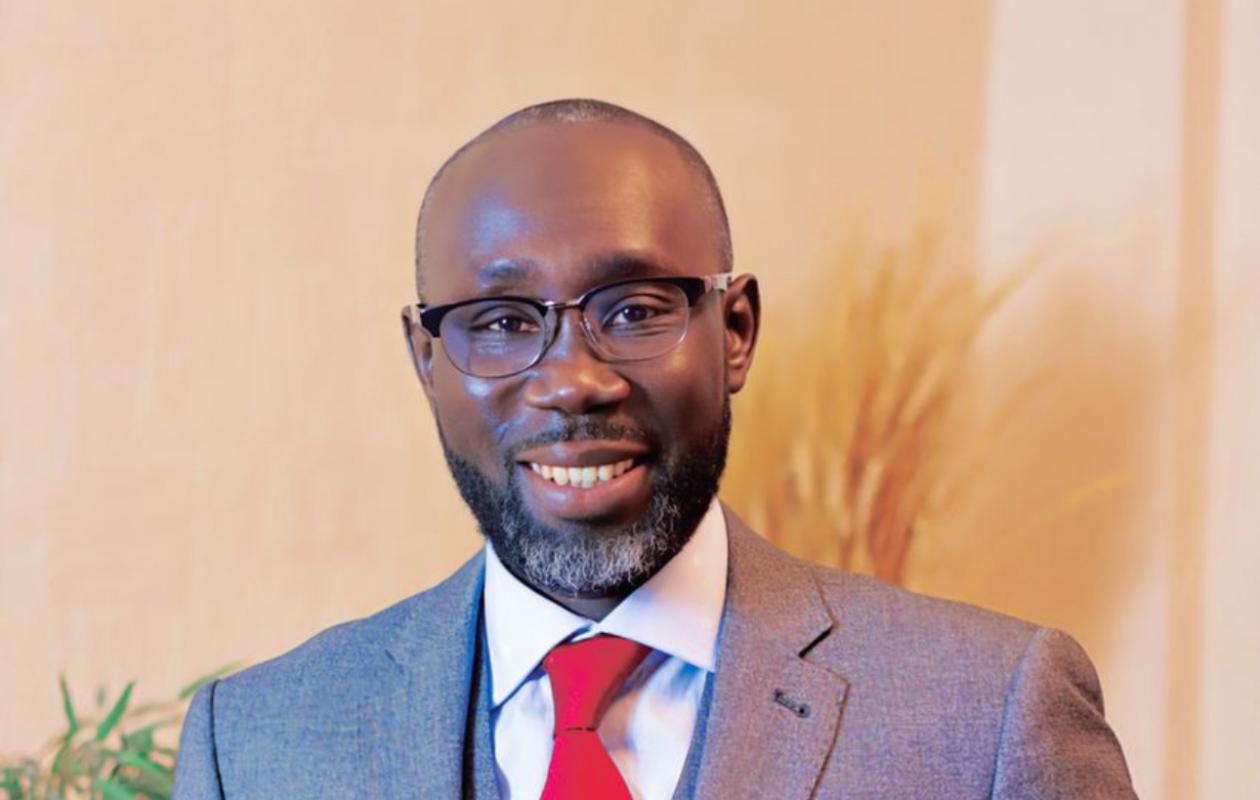
Inondations : l’échec d’une gouvernance, l’urgence d’une nouvelle vision (Par Meleye Seck)
Every winter, Senegal relives the same nightmare: submerged neighborhoods, displaced families, ruined businesses, roads cut off, schools transformed into shelters. The state expresses outrage, sympathizes, promises, creates committees, announces emergency plans... then forgets. Until the next rain.
Flooding is not a climatic inevitability, but a political failure. What drowns our cities is not the rain. It is the lack of planning, anarchic urbanization, complacency in illegal subdivisions, and the chronic inability to anticipate. We build in basins, occupy retention basins, issue permits for convenience, and allow an obsolete sanitation network to age. So, when the rain falls, it surprises no one: it reveals.
The consequences are disastrous: jobs destroyed, domestic economies ruined, land values devalued, public health weakened. And every year, the same scenes are repeated: ministers and mayors in boots, cameras slung over their shoulders, promises recycled. Charity replaces strategy. The policy of photographing the victims' bedsides is nothing more than a staging of helplessness. Yet what citizens are asking for is not pity: it is dignity. The right to live dry, to send their children to school without wading, to protect their homes from water and mud.
It's time to break with this logic of urgency and tinkering. Governing isn't about waiting for the skies to open before handing out sandbags. Governing means preventing and protecting. It means investing in sanitation, strengthening drainage networks, freeing up retention basins, and banning construction in flood-prone areas. Senegal needs political courage and responsibility. It's time to place people at the heart of public action, to listen to those affected, to act before rather than after, to offer citizens something other than endlessly repeated images of distress.
I solemnly appeal to President Bassirou Diomaye Faye: let him make this fight his legacy. Let his term be the one that takes Senegal out of the era of improvisation and into that of planning. History teaches that great civilizations were built by taming water. As early as 600 years before Christ, Tarquin the Elder had the Cloaca Maxima built in Rome, a colossal canal designed to drain the marshes and protect the city. If Rome left this legacy, why couldn't Senegal, in turn, transform the fight against flooding into a founding work?
Floods must no longer be a symbol of our collective powerlessness. They must become the starting point for a new form of governance: transparent, responsible, and visionary. Because a country that accepts seeing its children sleeping in water cannot claim to be emerging. This begins with respect for dignity. It begins with dry ground beneath the feet of the Senegalese people.
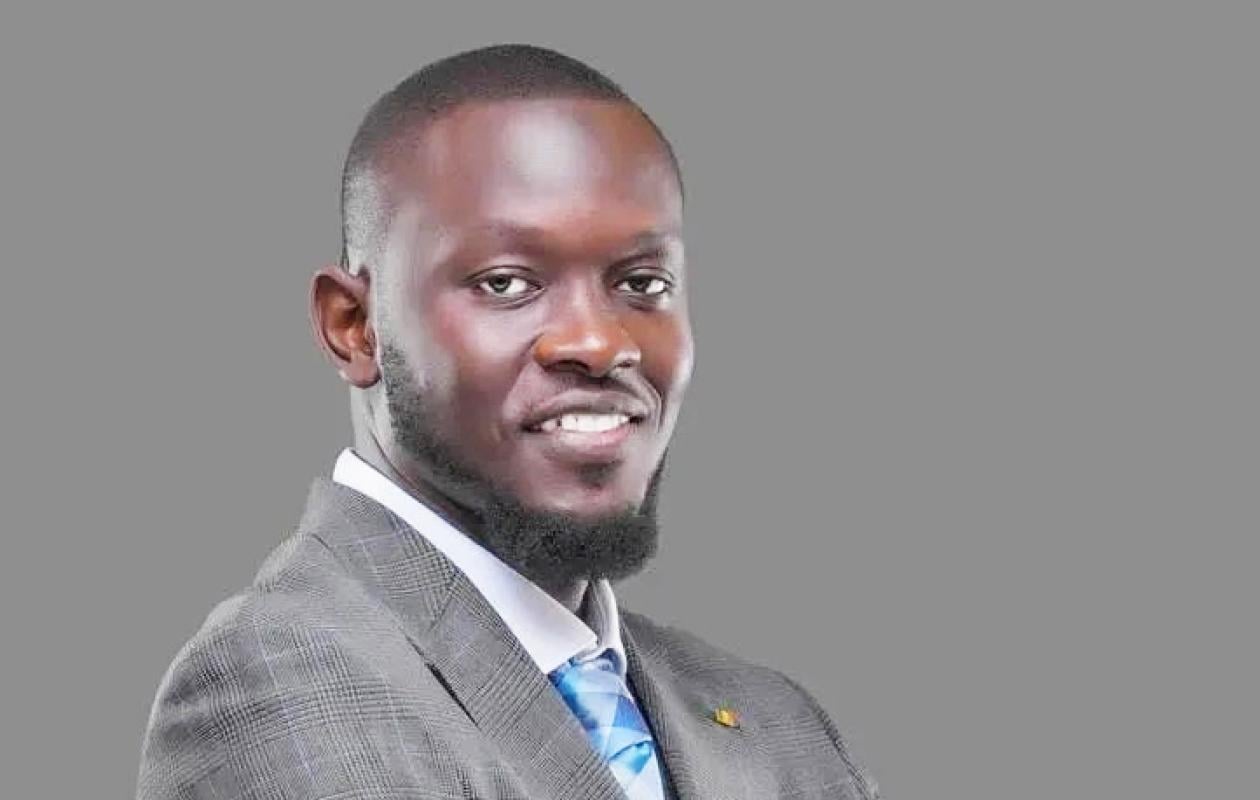
(By Meleye Seck, President of the Alliance of Builders)
















Commentaires (12)
J’en appelle solennellement au Président Bassirou Diomaye Faye : qu’il fasse de ce combat son héritage. Que son mandat soit celui qui aura sorti le Sénégal de l’ère de l’improvisation pour entrer dans celle de la planification. L’histoire enseigne que les grandes civilisations se sont bâties en domptant l’eau. Déjà, 600 ans avant Jésus-Christ, Tarquin l’Ancien fit construire à Rome la Cloaca Maxima, un canal colossal destiné à drainer les marécages et à protéger la cité. Si Rome a laissé ce legs, pourquoi le Sénégal ne pourrait-il pas, à son tour, transformer la lutte contre les inondations en œuvre fondatrice ?
Participer à la Discussion
Règles de la communauté
💡 Astuce : Utilisez des emojis depuis votre téléphone ou le module emoji ci-dessous. Cliquez sur GIF pour ajouter un GIF animé. Collez un lien X/Twitter, TikTok ou Instagram pour l'afficher automatiquement.
Se connecter
Commentez avec votre profil, votre photo, et soyez averti des réponses.